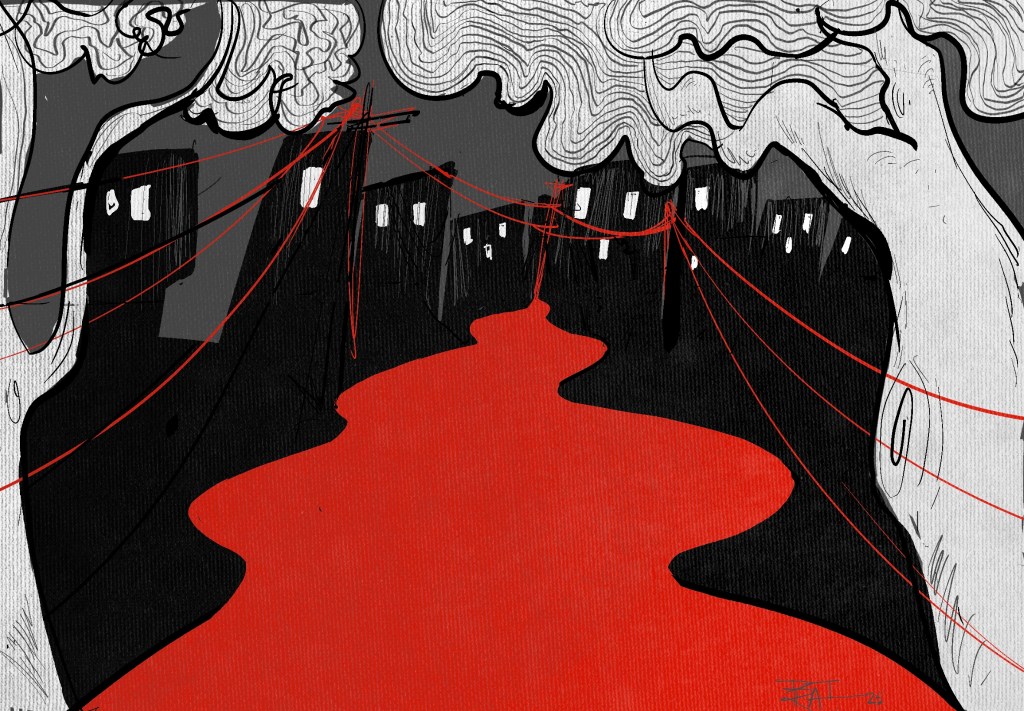

- Issue Editorial : Dr. Sonali Pattnaik ( Issue Editor)
- Good(ness)Gracious: R. Gerry Fabian
- The Trance : Priyanka Aravind
- Hermosa: Suzette Bishop
- I Am Aphrodite and Hermes : Debaleena Mukherjee
- Victory : Lynn White
- Our Due : Louis Faber
- The Arrival : Monali Tiwari
- Visible Order : Jenny Rathod
- Coming in Unannounced : Vandana Kumar
- Unhinged : David Hershhorn
- Your Age : Sriyukta Misra
- How To Ruin A Symbol : Adithi
- A Manuscript of Flame and Faith : Sushmindar Jeet Kaur
- Afterweather : Urvashi
- Cracked : Grace Fryberger
- Footnote : Areefa Ashraf
- Striptease : Shibani Phukan
- My Girls March At Midnight : Shubhi Dixit
- Scent Marking : Yamini Dand Shah
- All City is a Man : Anisha
- Brain and Brawn : Geethanjali Dilip

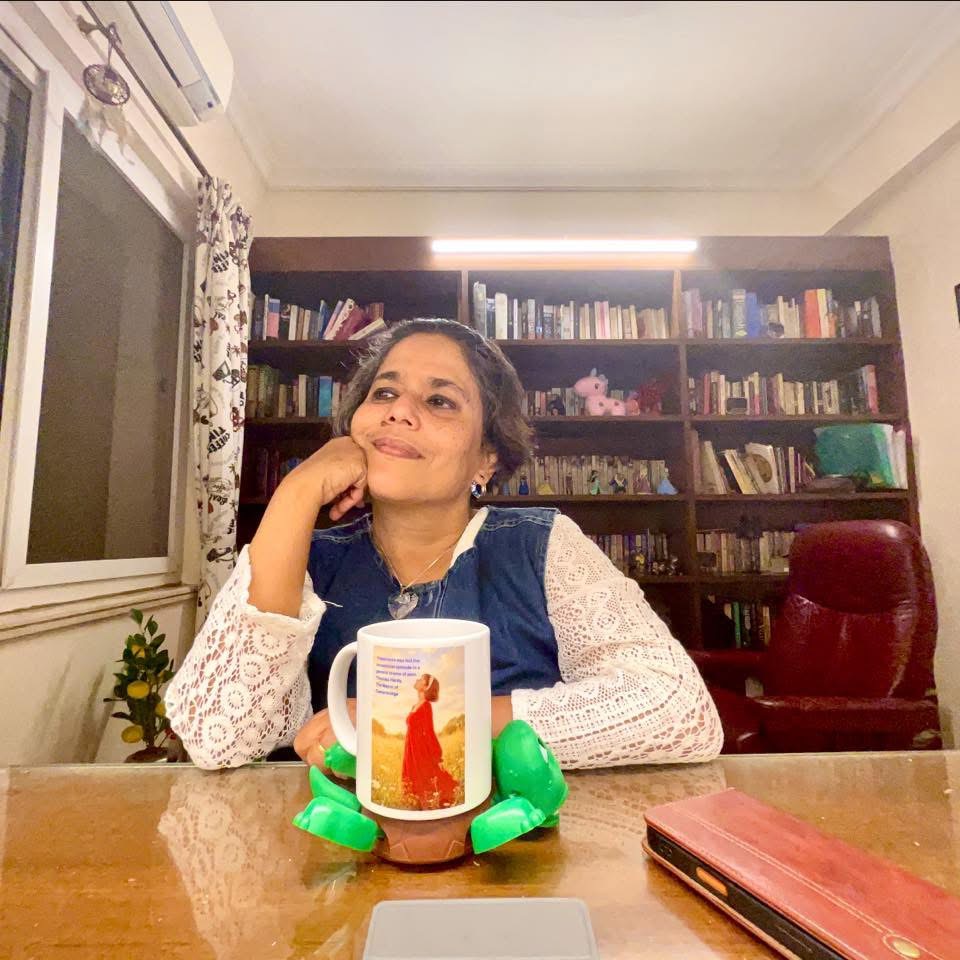
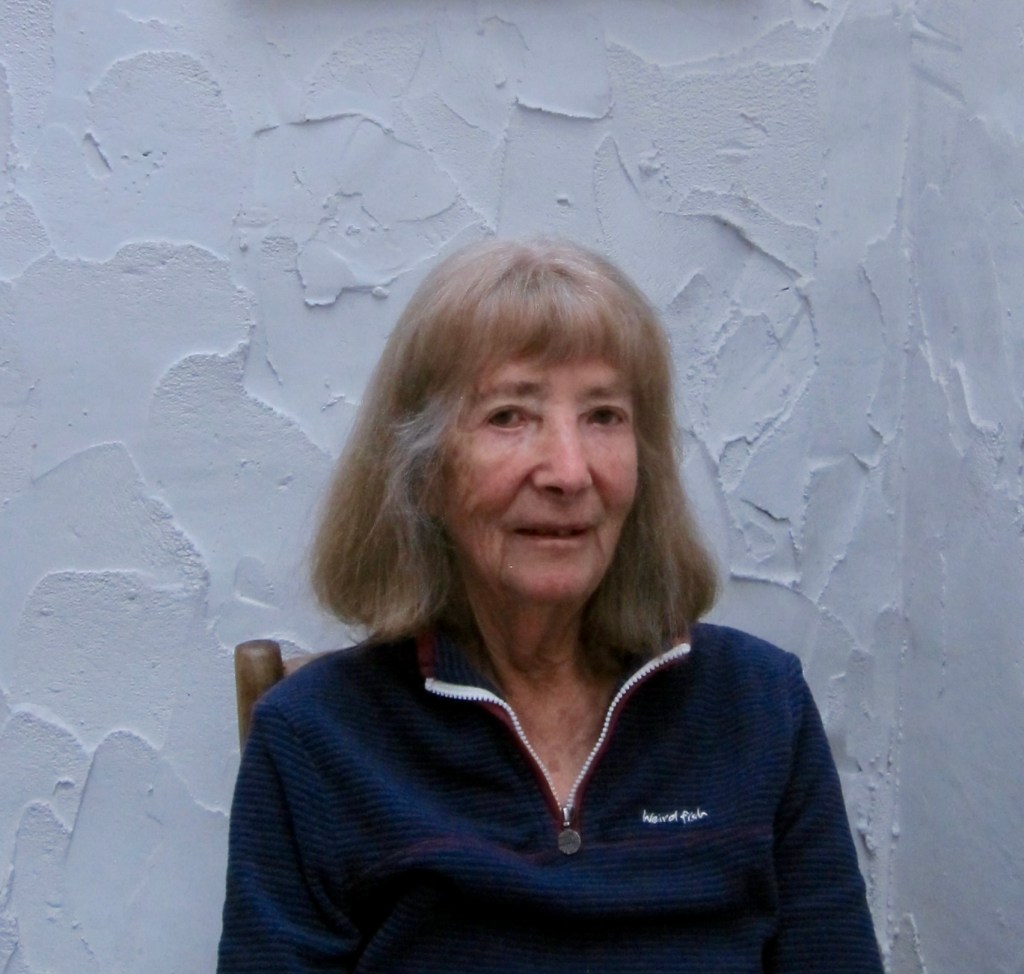
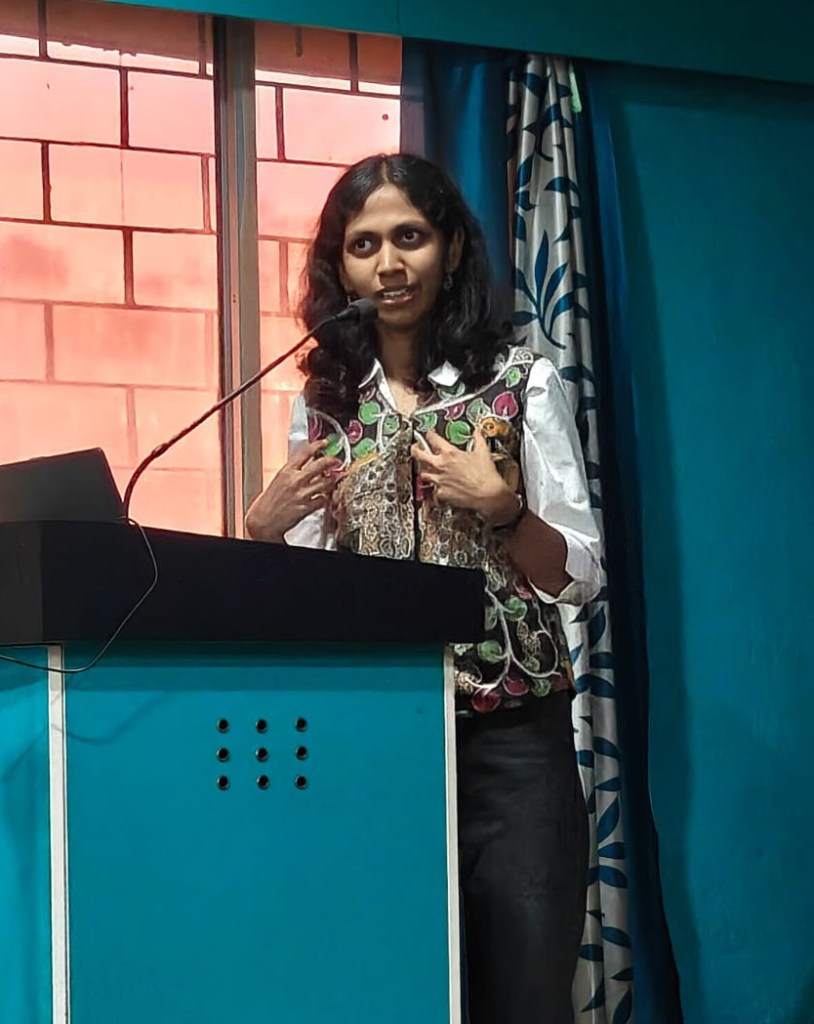


Issue Editorial : Dr. Sonali Pattnaik ( Issue Editor)
These are times when writing is one of the hardest things to do. These are also times when writing is one of the most necessary things to do. Power, in the form of Artificial Intelligence a tech colonisation that greedily guzzles all the water of entire ecosystems run by a few men that get richer as our land, climate and futures run dry, as mediatization of politics, that subjects truth to doubting scrutiny and profits from relentlessly bolstering lies and propaganda through manufactured “evidence”, as the extracting, invisibilisation and blatant exploitation of labour that supports these takeovers, as a ruthless genocide in Palestine with the use and experimentation of unfathomable ways of tormenting and reduction of human life that beg redefinition of Agamben’s delineation of the fascist state that diminishes a group of human beings to merely biology, a “bare life”, as the spectacle of reduction and erasure livestreamed to our homes as we collectively shiver at the prospect of resisting or ensconce ourselves in the myth of helplessness or the happy garbs of denial and safety, power as every day, ordinary hatred, self-censorship and patriarchal micro-violence, such as crushing a soft, slow moving caterpillar only because you can and perhaps only because you were told that you were unworthy at home and you must find someone more unworthy than yourself, such as shaming somebody so much that they develop a perpetual pathology of self-hatred because you were once shamed, causing them to axe the very branch of trust that they sit on which power labels as “folly”, or as unimaginable sexual and physical brutality to vulnerable, tiny bodies, the sight of whom ought to infuse a human with love, protection and hope, has never been more ubiquitous and self-confessedly depraved.
These are times when power is desired, drunk and poured into the throats of our existence as though there was no other way of living, silencing any resistance, any ethical dialogue that arises to rewrite its sway, creating in its cementing suffocation, a language of fascist obedience, hyper-spectacularism of governance, identity and sociality, gamified brutality, systematic erasure and naked dominance, globally. In these times, we have to choose our paths either in ways that offer temporary safety and risk being complicit in a deteriorating world or risk something, everything at times, to speak truth to power.
Writing about power, is always risky because it demands that we interrogate our own location and locution in the web of control, domination and determination, that we are willing to lose friends, safety or the complacency of ordinary morality as we strive to unpack with the tools of our conscience, that we reject the notion of comfort and seek to speak for those who do not have the luxury of the same. Writing about power is not writing for power, it is always an act of resistance as it invites us to sit in discomfort, ruptures our thinly veiled morals and asks us to inhabit another place than the one that we have fallen used to, even though we can never fully do so. Most of all it asks that we risk the pain and undoing beauty of the truth that would emerge if we were to allow ourselves to feel. Because, we know that power everywhere is not afraid to cause pain but it is afraid to be shown the wound for it thrives on denial; just as it is afraid of self-love, it is afraid of empathy with the other as both speak of refusing to be isolated, refusing to see the self and the other. If we are still on this planet for anything, it is not as unwanted creatures but as beings who want to be with each other, evolution being the gift not of erasure and domination as is popularly passed around but as retaining our uniqueness and learning to adapt to the other, be that a new biome, a parasite or bird call.
Our contributors for this issue on power and its manifestations take the risk of feeling– feeling for themselves, for the other, for inequality, familial and political brutality, the idea of a nation, its memories and its faultlines and its most vulnerable, leading lives fraught with alienation, trauma and brokenness and for the ones without a voice, whether its a misunderstood stepmother of a fairytale or a being stolen from mythology, whose subversive potential can be felt by the powerless. Language is undone and rearranged in poetry to become a place of resistance, of the marginalised others’ grief, whether they be a Kashmiri mother or a wife living with a wrathful patriarch. Classical literature is evoked and analysed to understand power not as endemic or monstrous but rather monstrosity itself as symptomatic of societal laws that are sustained by the normalisation of cruelty.
Words come together in delightfully new ways through poetry, fiction and non fiction, rife with irony or pregnant with unusual imagery to say that silence is no longer an option, that celebration of alternative ways of living than those configured by the norm, to create new solidarities and newer languages that are unafraid to reimagine a hateful world through kindness or desire, that ask us to reflect on our own desires and assumptions and their consequences as much as they eulogise powerful figures of resistance and ask us to stand with the harmed.
It is an honour to have been given the chance to create a space where what power, in its various manifestations, obfuscates the saying of, prevents the thought of, defers the articulation of, is expressed and inscribed. There is after all, that most powerful form of confronting power, speaking and writing our resistance, and in the writing of it, we learn to recognise all that beauty, language and courage can do, when they choose to intertwine.
With immense gratitude to editor-in-chief Sayan Aich Bhowmik, his able team at Parcham and to all our contributors, those we featured and those we could not.
Dr. Sonali Pattnaik
Good(ness)Gracious: R. Gerry Fabian
The ‘temporary document’ empowers cold agents
to confront, detain and incarcerate.
Black swarms descend on cities
out of favor with the proper color.
In the bedlam, various citizens
wearing multicolored outrage
document and post intimidation violence
while off-color authorities spin details
as official pronouncements
as red stains are washed from the pavement.
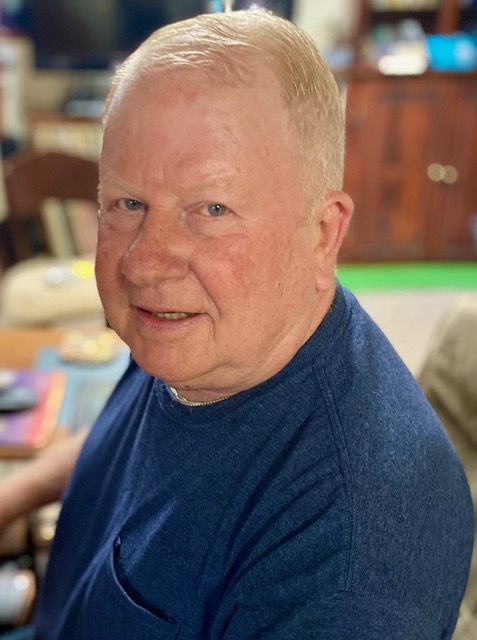
R. Gerry Fabian is a published writer and poet from Doylestown, PA. He has published seven books of poetry: Parallels, Coming Out Of The Atlantic, Electronic Forecasts, Wildflower Women, Pilfered Circadian Rhythm, Hidden Danger, including his poetry baseball book, Ball On The Mound.
The Trance : Priyanka Aravind
They tell her
the trance ends when the Pulluvakkudams*
fall silent,
and the Maninagam** returns
to the netherworld.
They tell her
the body is a door
that must be closed again.
But Maninagam doesn’t believe
in borrowed time.
He learned her hunger
the moment she started trembling—
a dry leaf in wind;
and her voice free of grammar.
For once, her body
was not a vessel for lineage,
not a field already claimed,
but a landscape that answered itself.
He coils where the borders blur;
behind the navel,
along the spine,
where obedience thins.
The Pulluva*** priest commands the snake
To leave her body.
Her husband waits,
Confused, and blinded by reason.
Everyone agrees the god must leave
so, the woman can belong again.
Only she understands
what the serpent has seen.
How he watched her bow for years
to small permissions.
How marriage trained her mouth
to say later, little, or never.
How even desire had learned
to knock softly.
That night, she carries him home
under her blouse,
under her breath.
She does not ask for forgiveness.
She does not ask for permission.
By morning,
she wears her marriage like before—
competent, intact.
No one suspects the difference.
But beneath the calm of her skin,
something ancient remains awake,
untranslated.
*Pulluvakkudam– The musical instrument played in Sarpamthullal ritual of Kerala.
**Maninagam– A serpent deity invoked in the Sarpamthullal ritual.
***Pulluva- A dalit community in Kerala, who performs the Sarpamthullal ritual.
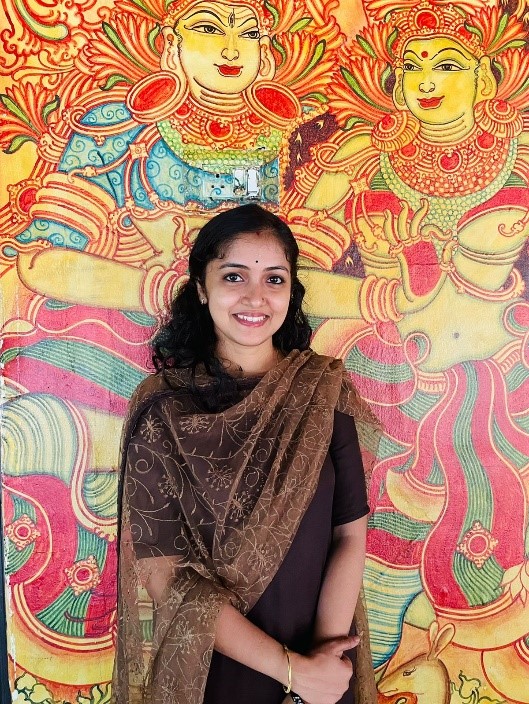
Priyanka Aravind P is a Research Scholar at the Department of English, St.Thomas’ College (Autonomous), Thrissur in Kerala. She calls herself a newly published poet and translator, with her poems published and forthcoming in anthologies and journals including Madras Courier, The Wise Owl, Saaranga Magazine, Litart Media, etc.
Hermosa: Suzette Bishop
You knew how to care for horses,
feed them only the most perfect oats,
use only straw that was dry, crackly,
flaxen for their stalls.
You palm-fed me perfect kernels
of romance,
and I tasted new flavors.
I recognized your voice
and your walk through the prism.
My coat became glossy, again,
my eyes less sunken,
primed for slaughter
for the romantic French restaurant course
trucked over the border with other horses
you cared for, or cared for by others like you.
Caring to selling us done so smoothly
nobody noticed.
A lot of us even wanted the slaughterhouse,
glue factory,
wanted the truck to drive
faster, not tracing our brokenness
back to you,
back to overlaying your soft hand on my neck
while fingers twirled part of me,
my mane braided into a botched bypass
you left to matt.
Honestly, I don’t know how I escaped
or any of the others.
Maybe the soul is hard like a hoof,
and we kicked our way out
to some hardscrabble place
like where I find myself.

Suzette Bishop has published three poetry books and five chapbooks, most recently, Were-Jag. Her writing has appeared in many literary magazines and anthologies and won or been a finalist in several contests. She lives in Laredo, Texas.
I Am Aphrodite and Hermes : Debaleena Mukherjee
Her gender is the choice of her spirit and the unashamed desires of the body.
Her needs do not curl in the closet of a painful faked feminine ecstasy.
Her brain and body wire her to a manhood but her curves are nature’s craft.
Her words never curse her fate, her grace honours and graces this nature’s art.
She loves his body, feels the body and she dares to call it love.
She loves him as he is her own body–oh the sheer exhilaration of her masculinity.
Anatomy drew her curves but chemistry concocted hormones of her masculine essence
And this she proudly professes as they look with revulsion; hiss about “forbidden differences”.
She dissociates and roams the world through books, melody and ‘art for life’s sake’.
She does not flex her muscles to assert living; she doesn’t ever mumble excuses.
She belongs to a society that shoves her into a wormhole and ritualises gender blame
She watches them quiver with malice with covert hints about what should be her “name”.
She hears her name bandied in body shame:
‘You cannot belong; you are an “in between”!
She replies: “this is “Me”, and my life begins in me!’
‘Surgical changes’ you people ask?
She decides whether to choose the lust to love below the OT’s light,
Or to choose the look of love in the afterglow at twilight.
Or choose love without lovemaking for making love is not this man’s validation.
I am frantic because the clothing store accosts me with their male and female collections.
Her clarity is I am never “in between” —that’s a column in your pathetic ledger of ignorance.
Her resolve is I select my trappings, if that scandalizes you it’s you not me.
Her preparation is the outer wear of choice in colours, textures, designs.
Her rainbow scarf is not an armour of pride; it is her skin and soul size.
I am a man within; a woman without; yes, my heart aches when my loved ones shun me.
I stand astride like a tormented Colossus as people try to peep into my intimacy and anatomy.
I am powerful because I know the mirror has two sides– reflection and opinion.
I look at the mirror; I disdain the lateral inversion of my brave clarity into dubious ambiguity.
Now She knows: I AM!
Now she is imbued with his body and declares “my body’s not in the closet but in my own space.
I will not enforce a response on this body with a scalpel; my reciprocity is in my spirit’s voice.
I respect, not regret the individual that I am; there is no division my desires and identity,
My sexuality you will not sanitize– I am unapologetic in my chosen, peaceful duality.
I revel in the way I am; I am a person not a welter of organs that you can deride or allocate blame,
I hold aloft the lamp that shines in me, and the light shames name-calling of my chosen name.
I choose myself; my spirit’s and my body’s urgency deserve the uninhibited passionate response
I am Hermaphroditus to you, but I am fire, water, ether, earth and power–never the “Earthworm”!”
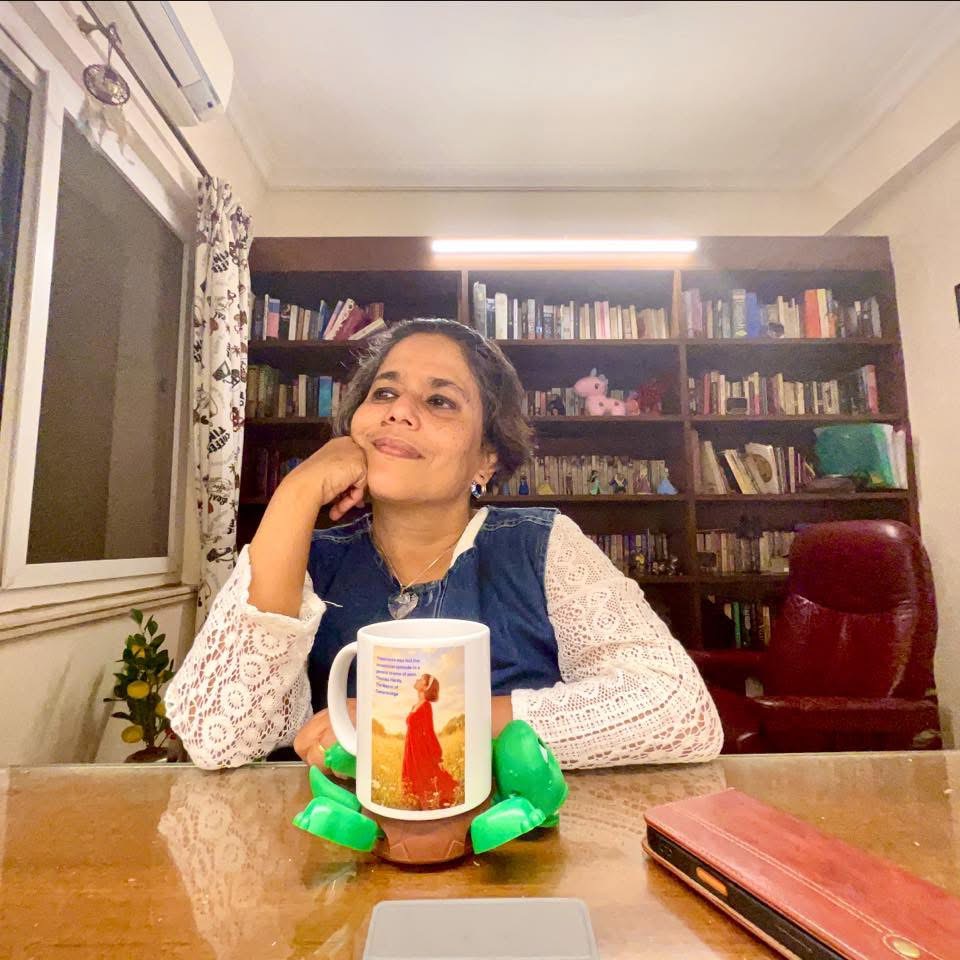
Debaleena lives in Bangalore, India and her Publications include, “INK-SMUDGED DREAMS: BY THE READING- LIGHT”(Poems), “COFFEE, SMILES & TEARS: BY STARLIGHT”: short stories, “DOODLES, SCRIBBLES & LIFE IN THE MARGIN”- a potpourri of poems, (BookLeaf), QWERTY and QUIET BY CANDLELIGHT (Writers Pocket). She is the Co-author and editor SHE WRITERS GROUP ; AQUALITY -Tales Of The Depths (Folio Publications)
Victory : Lynn White
No matter how hard
they think it would be
to get that kind of blood
off their hands and clothes,
they know that they should try.
But the killing has been so tiring
they just want to sleep now
and then it should be time
to stand tall and proud
ready to return
victorious
again.
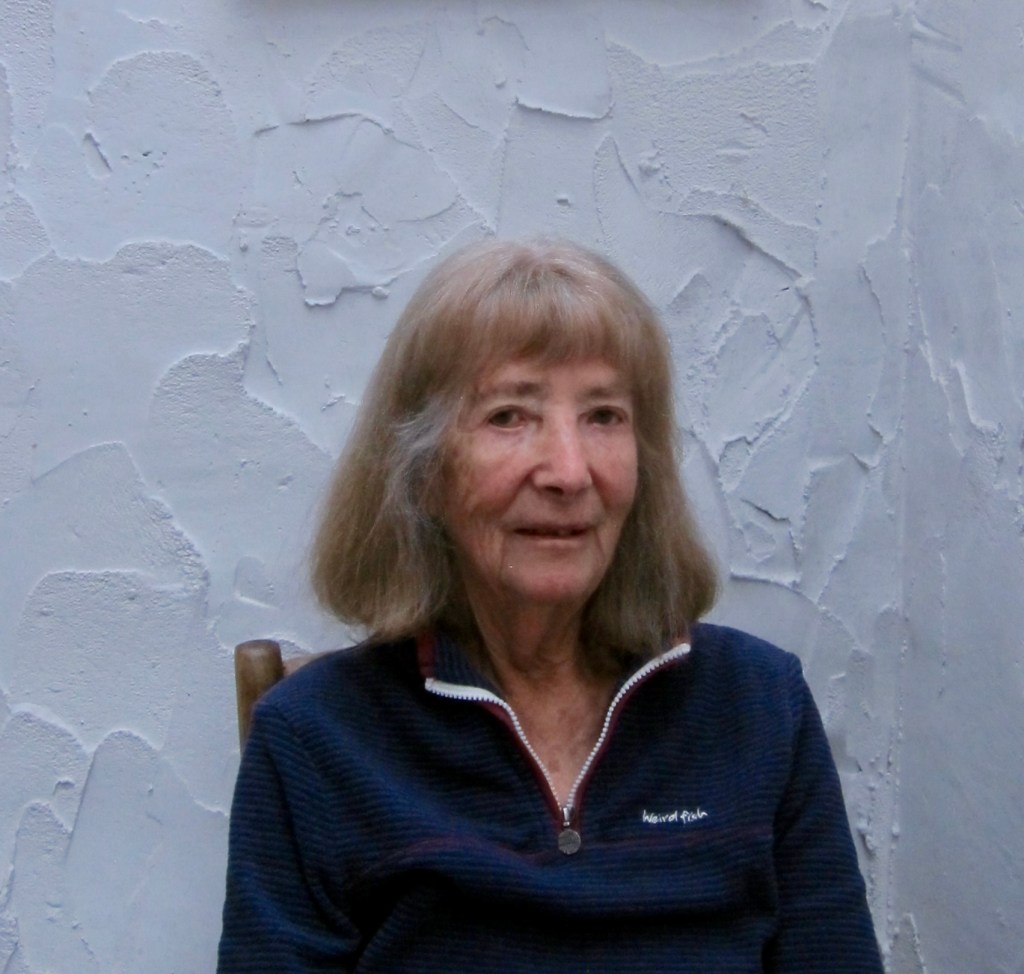
Lynn White lives in north Wales. Her work is influenced by issues of social justice and events, places and people she has known or imagined. She is especially interested in exploring the boundaries of dream, fantasy and reality. She has been nominated for Pushcarts, Best of the Net and a Rhysling Award.


Leave a Reply