
The Pundit : Review by Semeen Ali
Title: The Pundit Author: Swapnamoy Chakraborty Translator: Adrija Ghosh Publisher: Moving Words, An imprint of The Antonym Collections Year: 2026 Pages: 310 Price: Rs. 599 ISBN: 978-93-47783-34-0 “Then where do I go? I flee from life to religion, and then from religion back to life. But what is it that I could do? What is…

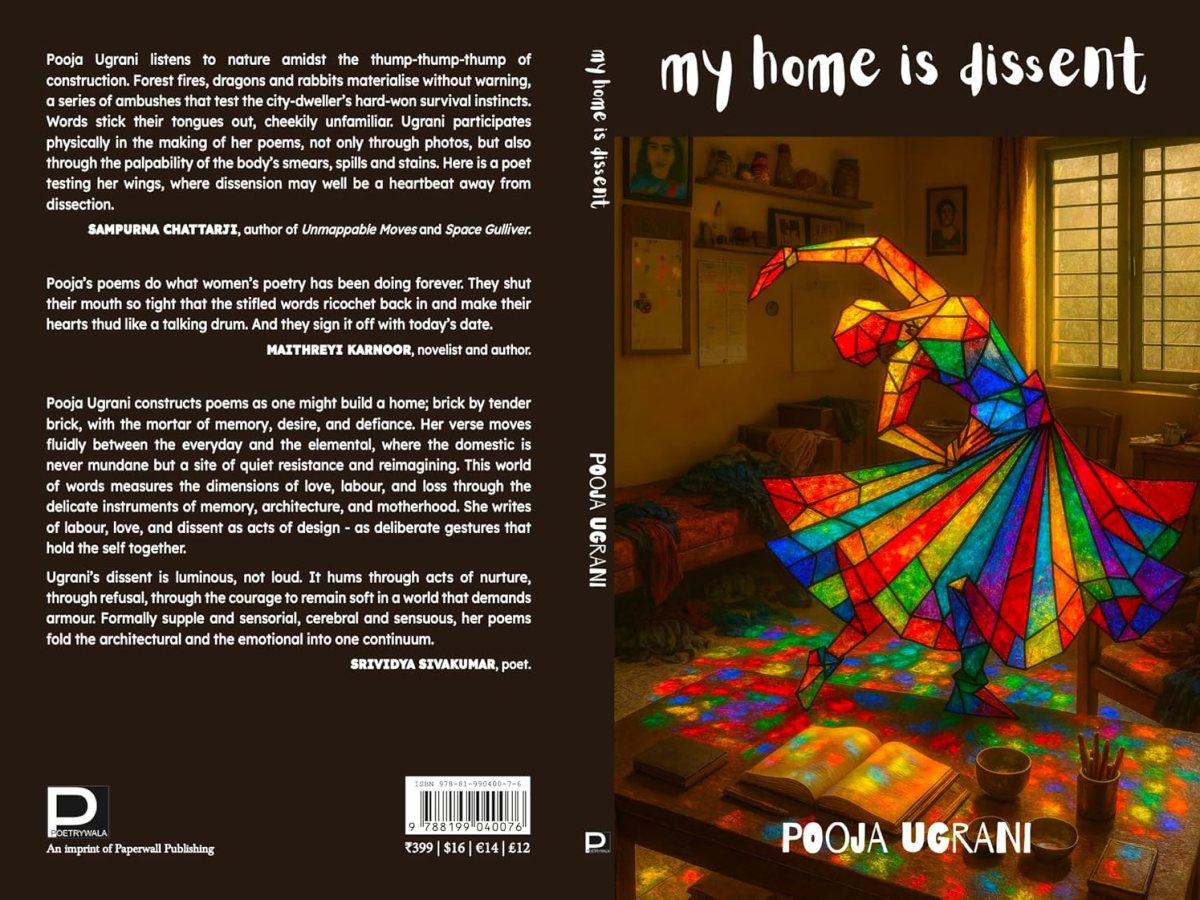
Book Review : My Home is Dissent
Pooja Ugrani’s Poems & The Architecture of The Quotidian Review by Malini Bhattacharya Pooja Ugrani’s debut collection, published by Poetrywala, is one of those books that carry the soft luminosity of a gemstone. There is no need for it to announce itself ostentatiously. The cover does it, with the dancing figure in the stained glass…

The Hour of God : A Review
Title: The Hour of GodPoet: Vinita AgrawalPublisher : Red RiverPrice: 399/- INRYear of Publication: 2026 Vinita Agrawal’s collection of poems, The Hour of God, begins with an epigraph from the Upanishad’s which highlights the desire to find peace. This, along with the cryptic title of the collection might make some of the readers ponder over…

Reviewing The Dead Fish
Review of The Dead Fish ( Rajkamal Choudhury, translated by Mahua Sen) The Dead Fish Author – Rajkamal Chaudhary Translator- Mahua Sen Year -2025 Publisher- Rupa Publications The word “translation” has its etymological roots in the Latin translatio, which means to carry over. This act of carrying over carries within itself a journey, a “route,”…
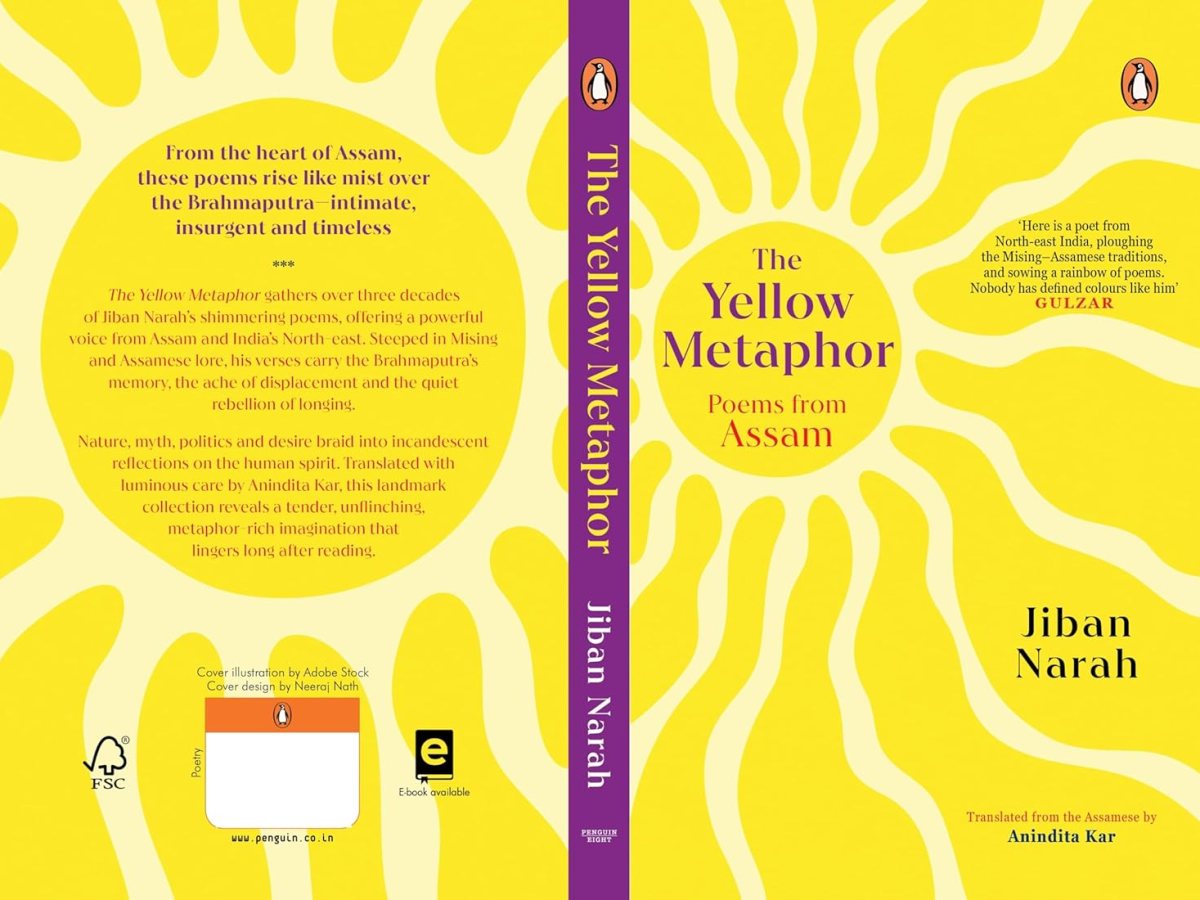
The Yellow Metaphor: Poems from Assam
Title: The Yellow Metaphor: Poems from Assam Poet: Jiban Narah Translator: Anindita Kar Publisher: Penguin Eight: An imprint of Penguin Random House Year: 2026 Pages: 232 Price: Rs. 450 ISBN: 9780143471677 Clever boys love ignorant girls just as history loves the voiceless Hearing this verse the fictional characters clap their hands and dive back into…
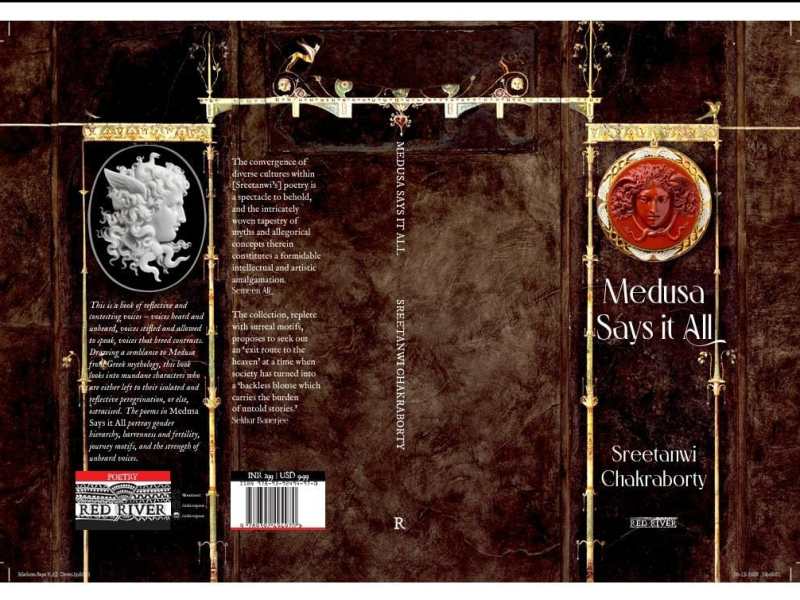
Book Review: Medusa Says It All
Reviewed by : Jhilam Adhikary While reading T.S. Eliot talking of John Donne in his now famous essay The Metaphysical Poets, I came across the part where he praises Donne’s works, which frankly, opens the door for a renewed interest in Metaphysical Poetry early in the 20th century. To put it simply, quoting the line,…

A Death in the Forest: A Review
Paromita Goswami’s short stories are resplendent, each shining in their own light of local language and deep cultural sensibilities of the native and indigenous population of the forests of Chandrapur, Maharashtra.
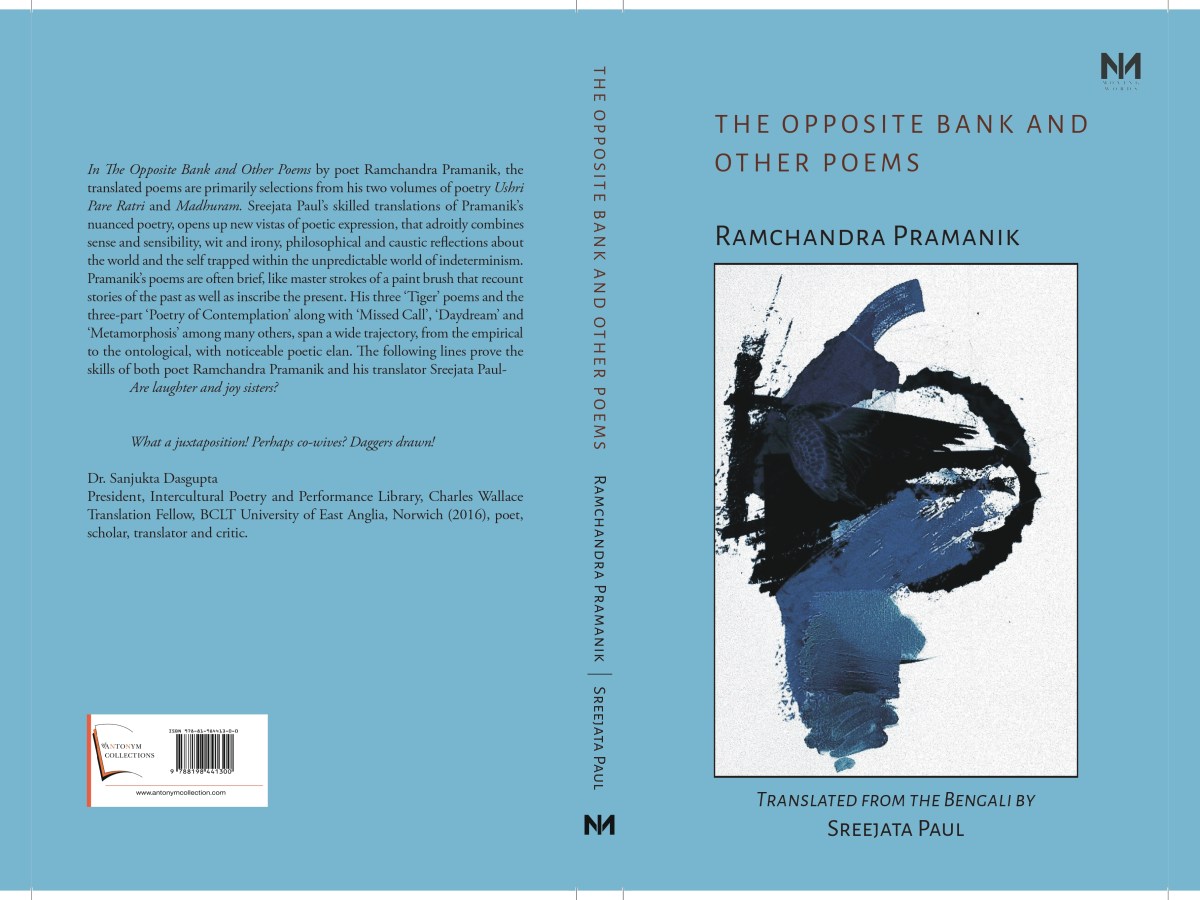
Semeen Ali Reviews The Opposite Bank and Other Poems
Poet: Ramchandra Pramanik Translator: Sreejata Paul Publisher: Antonym Collections Poetry often emerges from two impulses. One is deeply personal, where the poet dives into their own experiences, bringing forth pearls of wisdom from an intimate well, placing the self at the heart of the poem. The other is observational, where the poet turns their gaze…
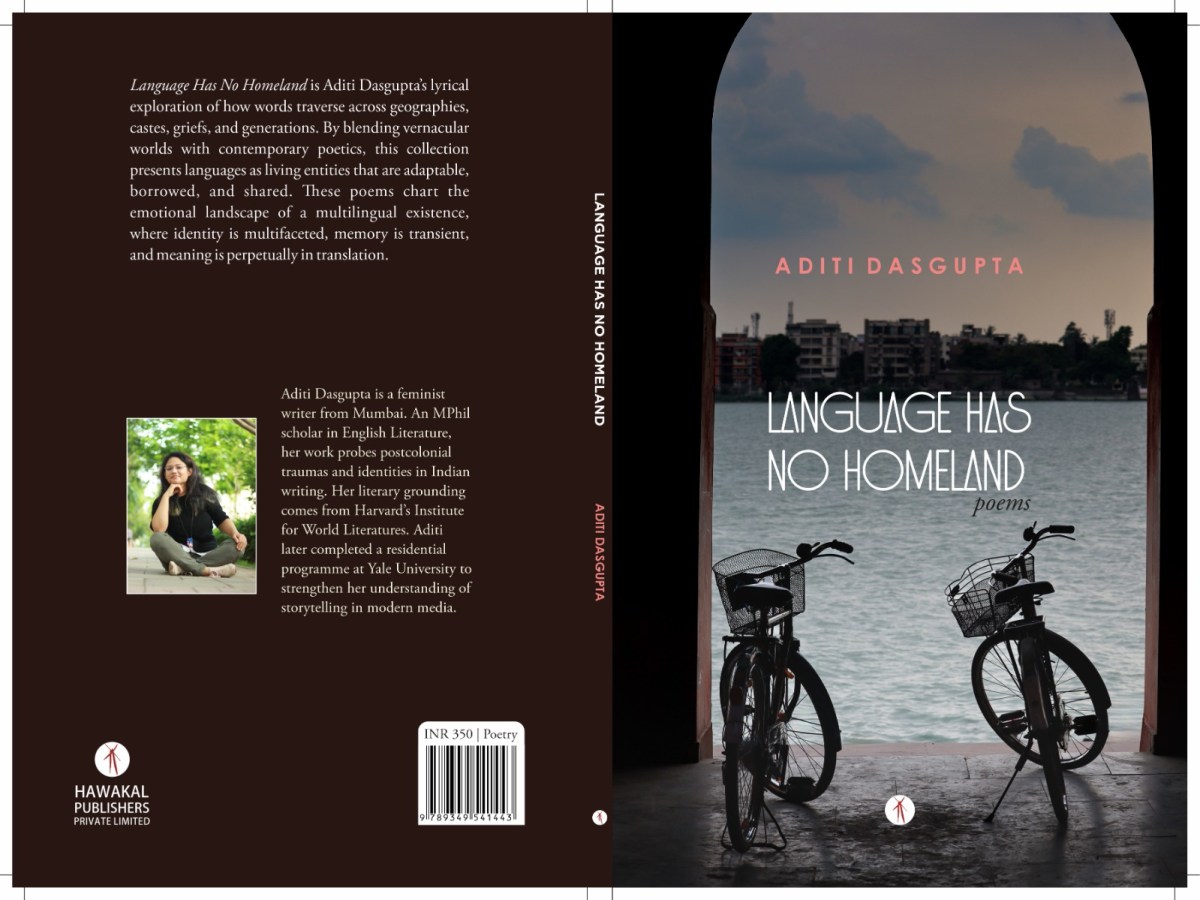
Review of Language Has No Homeland
Language Has No Homeland Poet: Aditi Dasgupta Reviewed by: Malini Bhattacharya Aditi Dasgupta’s Language Has No Homeland is a slim book, albeit an inventive and cadenced one. This is a collection of poems that builds bridges across languages and the unique emotional semantics that each represents. We meet Bengali, Tamil, Urdu, Hindi, Marathi, Assamese, Bodo,…
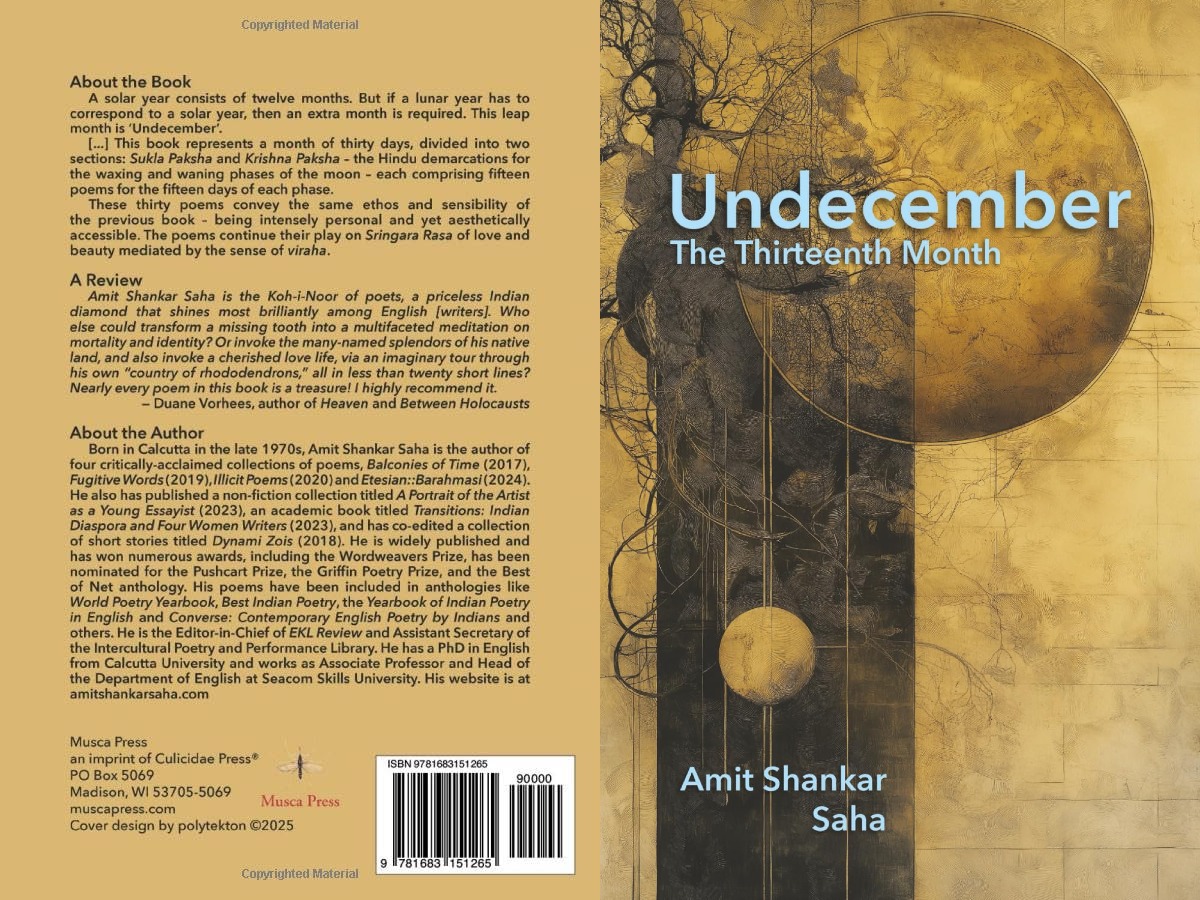
Book Review: Undecember
Review of Amit Shankar Saha’s Undecember: The Thirteenth Month Reviewed by Subashish Bhattacharjee In Undecember: The Thirteenth Month, Amit Shankar Saha extends the calendrical imagination that shaped his earlier volume, Etesian::Barahmasi, into a liminal poetic space: an intercalary month, a surplus of time composed of “stolen days.” Conceived as the lunar adjustment that reconciles discrepancy,…

Of Passions & Provocations
Filmmaker and Writer Devashish Makhija’s New Book Bewilderness is a Homecoming to Poetry
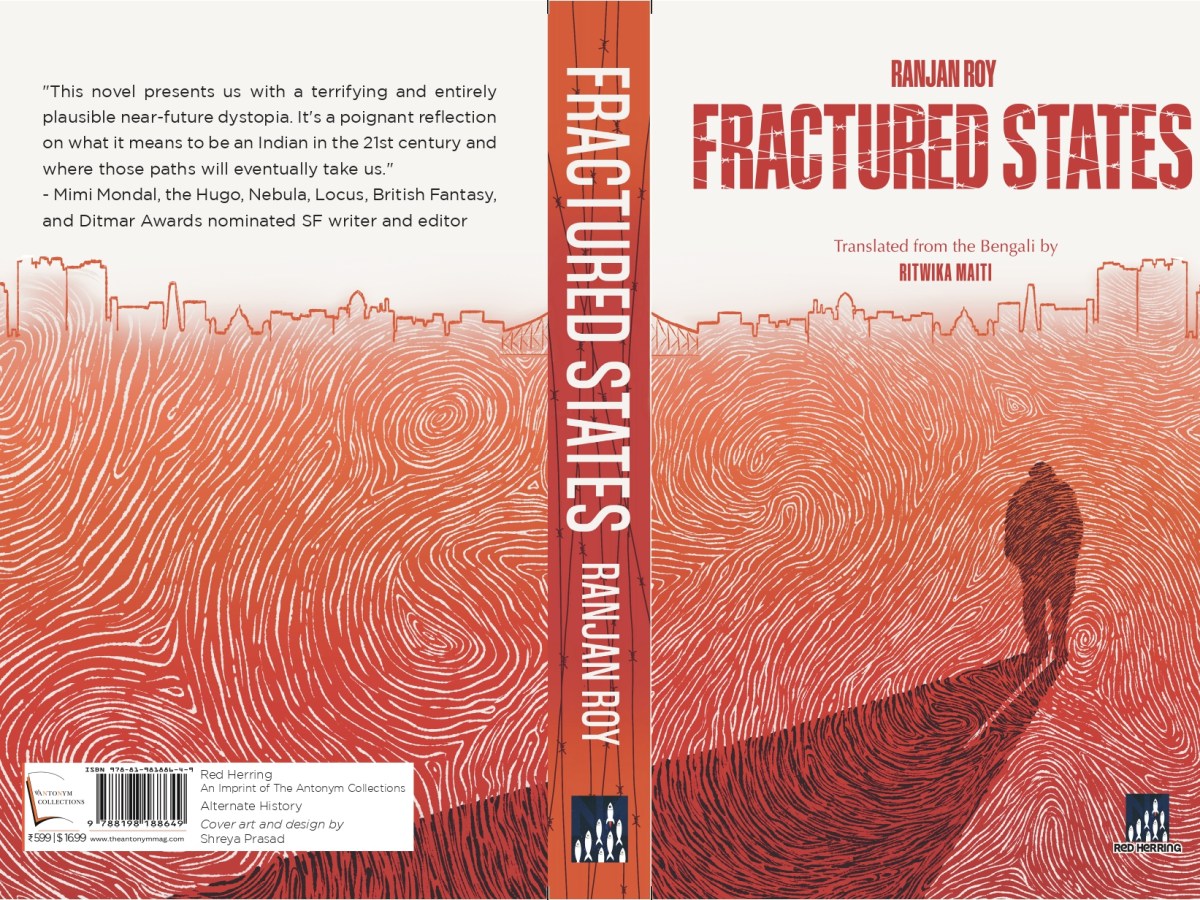
Showcasing: Fractured States by Ranjan Roy
Book: Fractured States Author: Ranjan Roy Translated from the Bengali by Ritwika Maiti In a near-future India, the nation has shed the last remnants of its democratic past. The Constitution has been quietly rewritten, surveillance technologies monitor every citizen, and belonging is no longer a right—it must be proven through documentation. The government, through its…

Semeen Ali Reviews Bengali Short Stories in Translation
When you sit down with a collection of short stories, what often takes you by surprise is the depth and intensity that writers can explore through this genre. These narratives lay bare the fragility of the human condition; not confined to a few individuals, but spread across experiences and magnified so that readers can recognise…
New Release
Writing from the Solitary: An Anthology on Loneliness Writing from the Solitary: An Anthology on Loneliness, edited by Priyanka Sarkar andvSemeen Ali, collates twenty-three voices pondering over the feeling of loneliness. Featuring poems, essays, and short stories, the collection brings the daunting subject into the foreground: not as something that needs to be resolved, rather…

The Art of Embracing Life Anew
Coming Out Solo is ultimately a book about giving love its due – love that is not of the romantic and marital variety, but the love of friends, siblings, parents and children. This is the love that builds itself in loyalty and solidarity and yet is not ‘eulogized obsessively in poetry and song and film.’…

Book in Focus: Vanished by Ahmed Masoud
Vanished: The Mysterious Disappearance of Mustafa Ouda is a gripping and emotionally charged novel that blends literary mystery with the harsh realities of life under occupation.

In Focus: Laffaz
Laffaz— by Yogendra Ahuja, translated from Hindi by Varsha Tiwary—is a novella about an elusive, manipulative figure known only by his alias: the word spinner. The unnamed narrator first hears of Laffaz in the 1980s while working as an assistant manager at a small-town bank, where Laffaz’s name appears in the file of a willful…

Book Review
As such, this Reader deserves to be read alongside existing translations, not only as a commemoration of Rilke’s 150th anniversary but as an experiment in the ongoing art of poetic translation. It reminds us that Rilke’s poems, endlessly retranslated, continue to demand and reward fresh attempts to catch their elusive music in another tongue.
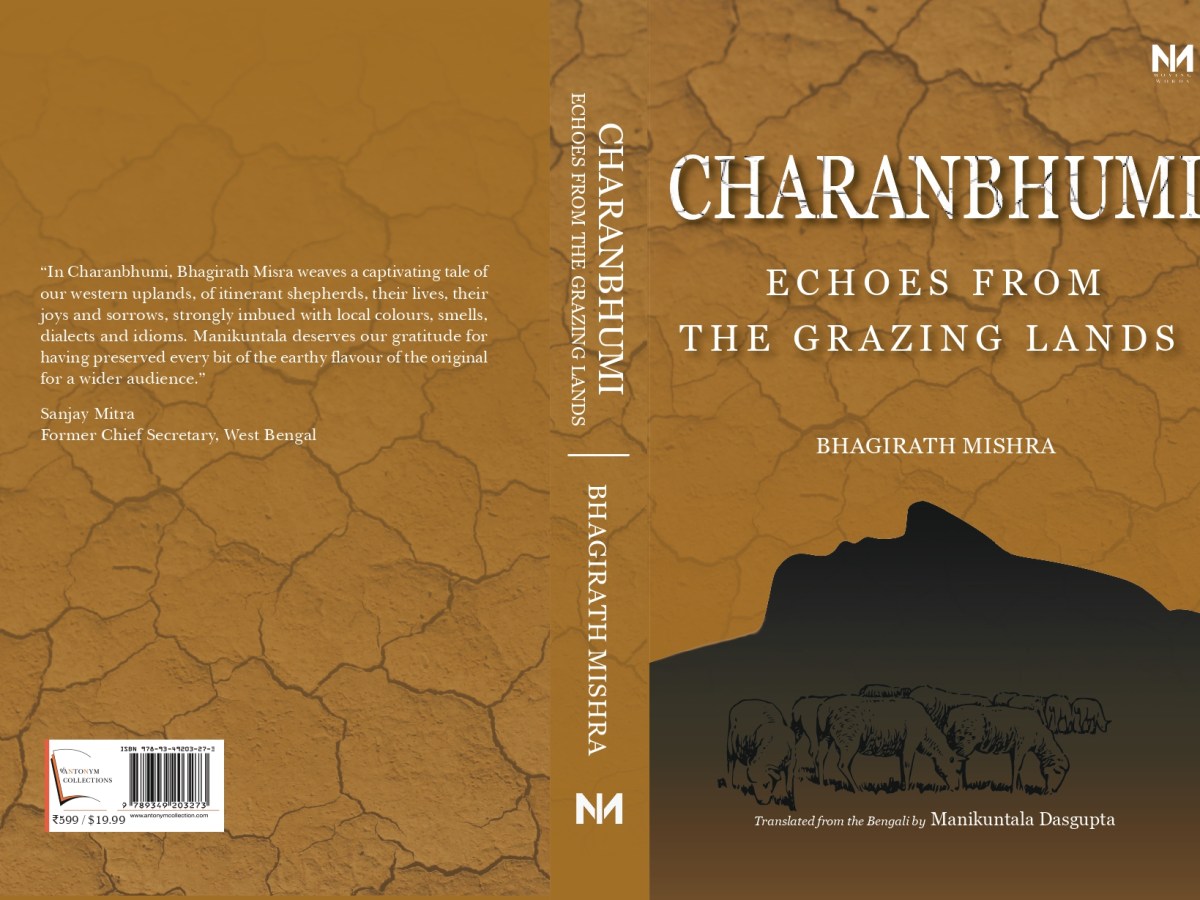
Charanbhumi – Echoes from the Grazing Lands
Set during the heydays of the Communist Government in Bengal during the 1970s, it follows the protagonist Munshi as he tries to…
Keep reading
Of Passions & Provocations
Filmmaker and Writer Devashish Makhija’s New Book Bewilderness is a Homecoming to Poetry

Book Review by S.Mridha
Somjyoti Mridha reviews Charanik: The Walker by Mohanlal Gangopadhyay, Translated by Jayanta Sengupta. Charanik, originally published in Bengali in 1942 narrates a walking tour undertaken by the author Mohanlal Gangopadhyay (1909-1969) with his Czechoslovakian friend Mirek during the late 1930s just before the onset of hostilities that culminated in the Second World War. The Bengali…

Ipsita Deb in conversation with Portrait Artist Subhojit Bhar
Ipsita : Subhojit, please take us through your journey. How did you first discover your passion for painting? Also, about your techniques, medium, and the colours you use. I am a self-taught portrait artist who likes to work both in traditional and digital media. For the most part of the day though, I am a…
Anshu Chhetri reviews Rebecca Solnit’s A Field Guide To Getting Lost.
Rebecca Solnit begins her book A Field Guide To Getting Lost while getting drunk on Elizah’s wine. The word ‘wine’ serves as a metaphor here, an opening to pass through from the teachings of her conservative Catholic mother. She then shifts her narrative to a backyard door which is left open at night. An uncommon…
The Pundit : Review by Semeen Ali
Title: The Pundit Author: Swapnamoy Chakraborty Translator: Adrija Ghosh Publisher: Moving Words, An imprint of The Antonym Collections Year: 2026 Pages: 310 Price: Rs. 599 ISBN: 978-93-47783-34-0 “Then where do I go? I flee from life to religion, and then from religion back to life. But what is it that I could do? What is…

