My Girls March At Midnight : Shubhi Dixit
After Fatimah Asgar
the thirteen year old
ballerinas
ordering an iced latte
fluent in unblemished confidence
tittering then chortling
iridescent joy let loose
in the upscale cafe, I catch their contagion
chuckle at the blandness of vanilla
these girls my girls
they delight me so
they roar at the sky
thrive on vitriol,
porous – they gather marbles and cook up stories
their savagery is kind
gentle parenting though delayed
they reply to threats with arre beta
they acknowledge rudeness with suno laadle
they tap the back of their phones
as their pinkies gather
the patience to do the right thing
these are my girls and I love them so
my girls sing pop songs
in doubt
hold sacred spaces birthed
and marked every effort made
to live a life as deemed fit
by none but oneself,
we applaud we applaud my girls
my girls who come to me in
my darkest days
dressed yellow on Wednesdays
ambitious on Mondays
a dreamer a moonchild
an appreciator of sensory humor
they let on more than they know
the Mantharas, the Shurpanakhas, the Rambhas,
they don’t know
what they mean to me these strange
beautiful girls all of whom I don’t know
but surely love.
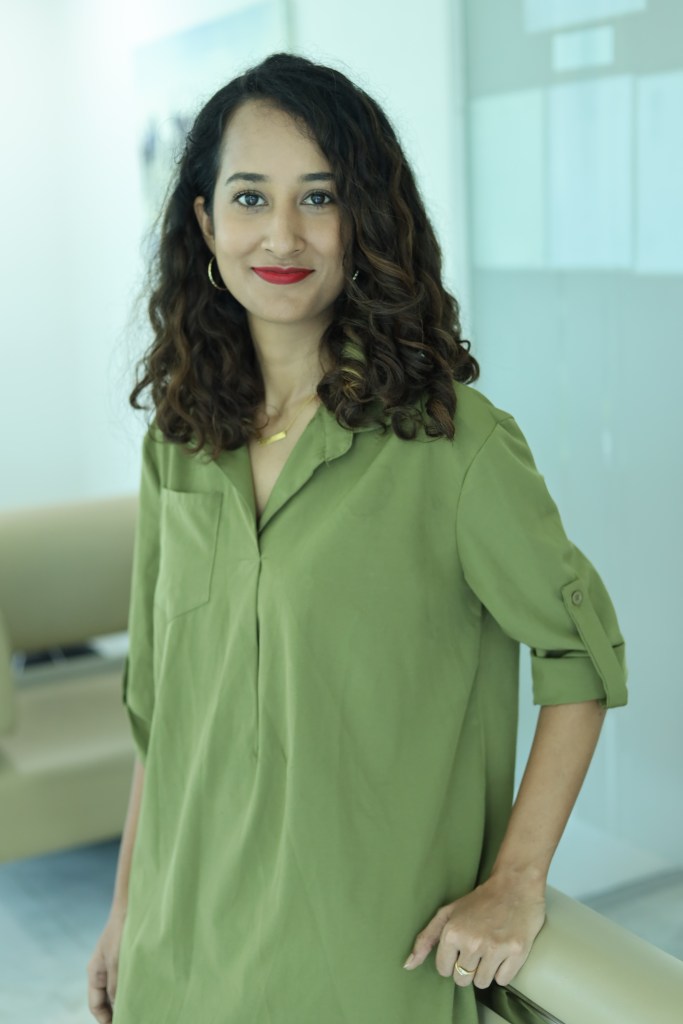
Shubhi Dixit is a poet and marketing consultant based in Pune. Her work has appeared in Gulmohar Quarterly, and she has performed spoken word with major platforms including Airplane Poetry, Bullock Cart Poetry and TEDx IISER Pune.
Scent Marking : Yamini Dand Shah
Territories get sprayed
with crimson ink
unmindful of tears.
Historiographer,
artist,
cartographer,
stand in
discrete expressive testimony
on borders of
shaky grounds
barbed with
power
withheld
within
narratives.
I could have been a tiger in history
A cow in the recent past
Now, a much-loved dog.
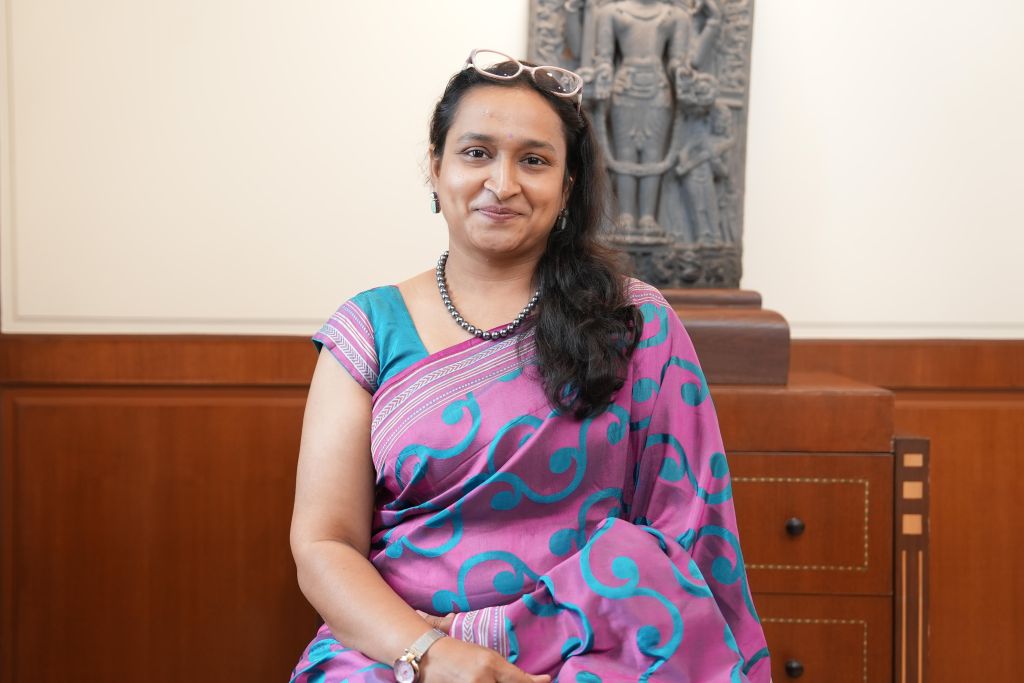
Dr. Yamini A. Shah is the Assistant Director and Assistant Professor, Centre for Kachchh and Desert Studies, Somaiya School of Civilization Studies at Somaiya Vidyavihar University, Mumbai. She is the Festival Director of Afsana: The Somaiya Storytelling Festival and has been the Curator at Kala Ghoda Arts Festival for 8 years. She has won the President’s award for service to humanity. She was the judge for Tata Litlive and on the jury for Laadli media (UNFPD, Norwegian Embassy) awards. She was invited as a writer-in-residence at Tubingen University, Germany. She was invited as a research scholar at Concordia University, Canada. She has presented and published various research papers and keynote address at international conferences. Her acclaimed poetry book ‘Abstract Oralism’ is a culmination of seven years of research in Kachchh. She is currently working on a literary theory, is the Series editor of ‘The Indian Expression’ volumes and doing academic, cultural and development work on Kachchh.
All City is a Man : Anisha
Taking a left at the intersection, and missing an exit or two,
In resisting the urge to rip off the dwelling of a crying man,
From the decorated city parks, lighted for those in anticipated arrival,
In memory of the fleeting and continually departing.
The wheels of the metal apparatus screech, inching closer to the egress,
With the indication on the right, turn the steering to the left and the exhilaration withers.
In the metaphors, likening the empty streets to a pathway into the inner workings,
Shoddy streetlights, children forgotten under heightened flyovers,
All city is a man, all man makes up the city.
Disperse the labour in the hazy night hours, a truck to ease the transport,
Women making space in the backseat, impact the most direct,
From speed bumps and potholes, to the freedom to work in chains that hold;
The dawn breaks differently when the mattress is ten years old,
The food may rot if kept in the open; the flies prefer it when it’s cold.
The texture of a worn-out saree, sequins and embroidery aside,
The laments of an overlooked pain in the household, the cold ignorance of a mother-in-law,
The doting nature extended to a wife with wealthy parents,
The stitching of a narrative, one piece for the blouse and one for the saya below.
I read and saw the story of wealth, one that allows for life to end with no dignity,
Run over remains, blood on the streets, audacity that comes with ancestry,
The eyelid seeks a permanent residence with the waterline,
Tears disappearing in a drought,
lack of water for the houses that weep, but much to keep the city green,
Magic streets, gardens galore, lighted parakeets and lions that cease to roar.

Anisha is a queer*mad multidisciplinary artist, who has been working through the mediums of music, visual arts and writing. They are currently pursuing a PhD from Goa University, and co-creating as an art facilitator with Society for Labour and Development, New Delhi.
Brain and Brawn : Geethanjali Dilip
Blame it on the testosterone,
Blame it on the yang propensity,
Blame it on the Purusha entity,
Blame it on the Pingala energy,
Blame it on duality,
Where power and countenance interplay,
Deciding the male of any species.
Blame it on the purpose of the Creator,
Or awe at it,
Yet power is not just the brawn or sinews,
Nor is it tyranny, autocracy, or supremacy,
The seed he maybe,
But the forest is she,
The father he maybe,
But the womb is she,
What a beautiful harmony would there be,
If the balance were comprehended,
And power not weaponised to prove male superiority!
Yet such power exercised with wisdom builds families and kingdoms,
A forthright quality wins battles of existence,
A vision with clarity laced with power leaves a legacy,
Where domination shall be replaced with egality,
Where megalomania shall be ousted by sagacity.
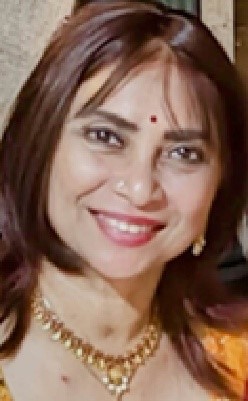
Passionately quilling poetry, Geethanjali Dilip is internationally anthologised. With nine solo poetry collections reviewed and well appreciated, an awardee of several prestigious poetry platforms and curator of Soul Scribers Galaxy Poetry Festival, she strongly believes that poetry connects the world.


Leave a Reply