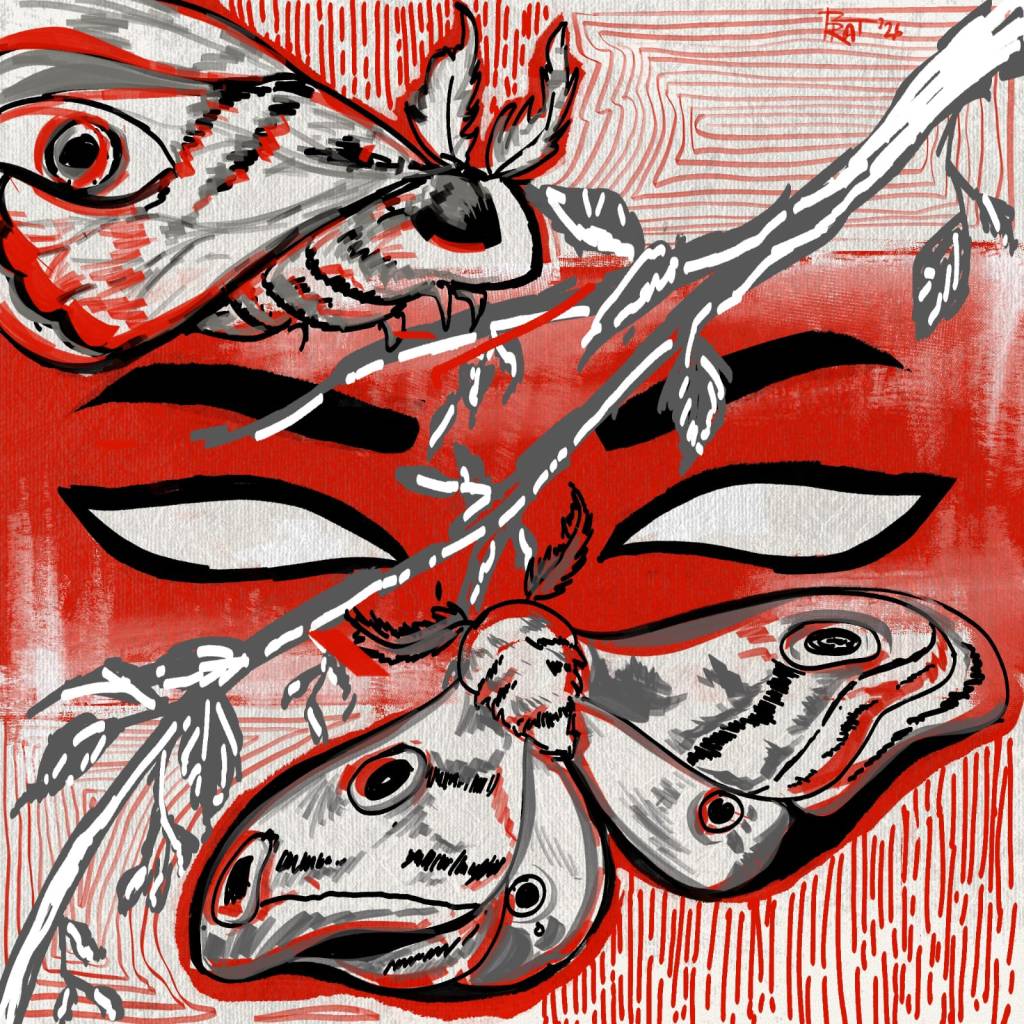
- Issue Editorial by Dr. Sonali Pattnaik
- Code White by Manisha Pundir
- The many-taled monster and the Traveller by bhaqti
- Waiting for Anything by Sis Byers
- Breaking Barriers: Traversing the Road Less Taken by Ruma Chakraborty
- Pickled Lives by Jayaram Vengayil
- Silingkhar **( Translated by Pompi Basumatary)
- In Resistance Lie Our Hopes : Editorial by Shrutidhora P. Mohor
- “Who Creates the Monster? Society, Rejection, and the Politics of Otherness”- Editorial by Riya Dubey
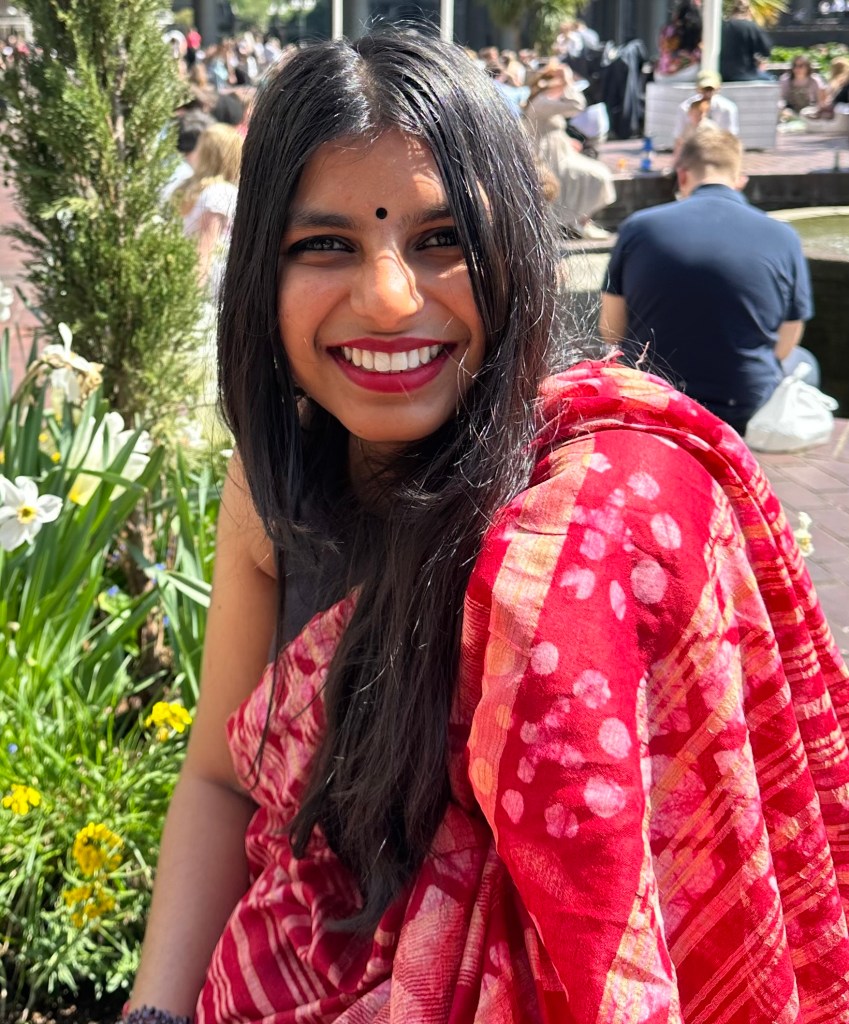
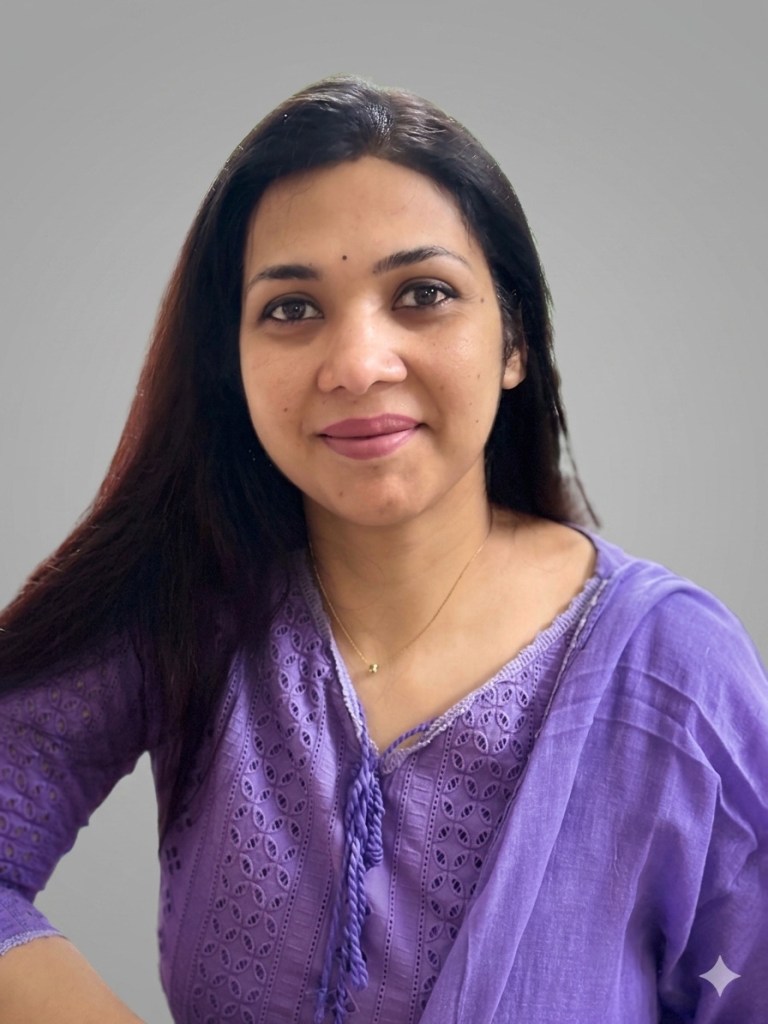
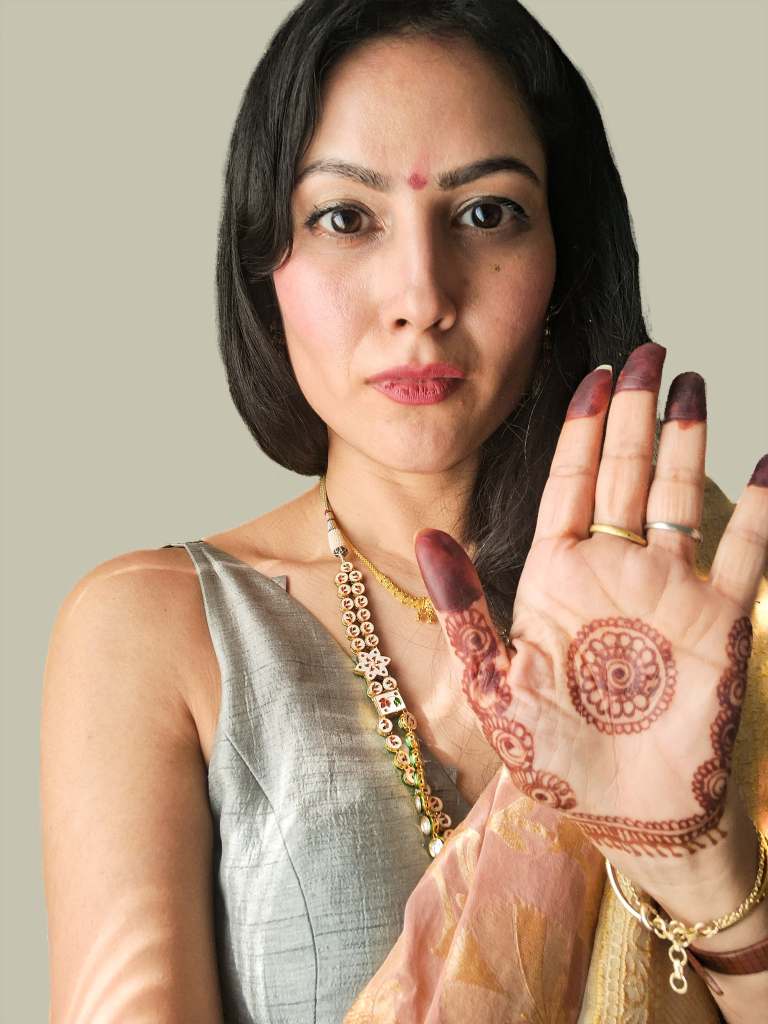
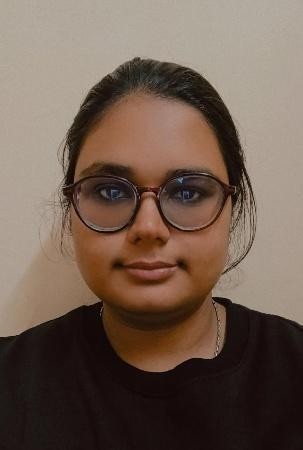
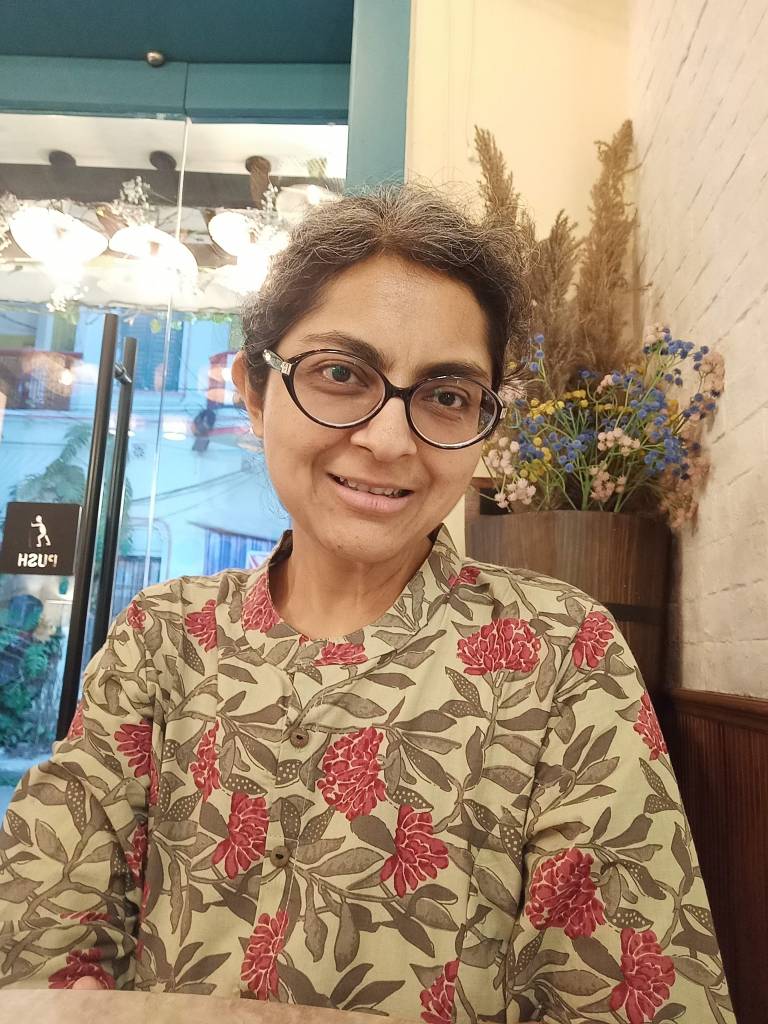
Issue Editorial by Dr. Sonali Pattnaik
These are times when writing is one of the hardest things to do. These are also times when writing is one of the most necessary things to do. Power, in the form of Artificial Intelligence, a tech colonisation that greedily guzzles all the water of entire ecosystems run by a few men that get richer as our land, climate and futures run dry, as mediatization of politics, that subjects truth to doubting scrutiny and profits from relentlessly bolstering lies and propaganda through manufactured “evidence”, as the extracting, invisibilisation and blatant exploitation of labour that supports these takeovers, as a ruthless genocide in Palestine with the use and experimentation of unfathomable ways of tormenting and reduction of human life that beg redefinition of Agamben’s delineation of the fascist state that diminishes a group of human beings to merely biology, a “bare life”, as the spectacle of reduction and erasure livestreamed to our homes as we collectively shiver at the prospect of resisting or ensconce ourselves in the myth of helplessness or the happy garbs of denial and safety, power as every day, ordinary hatred, self-censorship and patriarchal micro-violence, such as crushing a soft, slow moving caterpillar only because you can and perhaps only because you were told that you were unworthy at home and you must find someone more unworthy than yourself, such as shaming somebody so much that they develop a perpetual pathology of self-hatred because you were once shamed, causing them to axe the very branch of trust that they sit on which power labels as “folly”, or as unimaginable sexual and physical brutality to vulnerable, tiny bodies, the sight of whom ought to infuse a human with love, protection and hope, has never been more ubiquitous and self-confessedly depraved.
These are times when power is desired, drunk and poured into the throats of our existence as though there was no other way of living, silencing any resistance, any ethical dialogue that arises to rewrite its sway, creating in its cementing suffocation, a language of fascist obedience, hyper-spectacularism of governance, identity and sociality, gamified brutality, systematic erasure and naked dominance, globally. In these times, we have to choose our paths either in ways that offer temporary safety and risk being complicit in a deteriorating world or risk something, everything at times, to speak truth to power.
Writing about power, is always risky because it demands that we interrogate our own location and locution in the web of control, domination and determination, that we are willing to lose friends, safety or the complacency of ordinary morality as we strive to unpack with the tools of our conscience, that we reject the notion of comfort and seek to speak for those who do not have the luxury of the same. Writing about power is not writing for power, it is always an act of resistance as it invites us to sit in discomfort, ruptures our thinly veiled morals and asks us to inhabit another place than the one that we have fallen used to, even though we can never fully do so. Most of all it asks that we risk the pain and undoing beauty of the truth that would emerge if we were to allow ourselves to feel. Because, we know that power everywhere is not afraid to cause pain but it is afraid to be shown the wound for it thrives on denial; just as it is afraid of self-love, it is afraid of empathy with the other as both speak of refusing to be isolated, refusing to see the self and the other. If we are still on this planet for anything, it is not as unwanted creatures but as beings who want to be with each other, evolution being the gift not of erasure and domination as is popularly passed around but as retaining our uniqueness and learning to adapt to the other, be that a new biome, a parasite or bird call.
Our contributors for this issue on power and its manifestations take the risk of feeling– feeling for themselves, for the other, for inequality, familial and political brutality, the idea of a nation, its memories and its faultlines and its most vulnerable, leading lives fraught with alienation, trauma and brokenness and for the ones without a voice, whether its a misunderstood stepmother of a fairytale or a being stolen from mythology, whose subversive potential can be felt by the powerless. Language is undone and rearranged in poetry to become a place of resistance, of the marginalised others’ grief, whether they be a Kashmiri mother or a wife living with a wrathful patriarch. Classical literature is evoked and analysed to understand power not as endemic or monstrous but rather monstrosity itself as symptomatic of societal laws that are sustained by the normalisation of cruelty.
Words come together in delightfully new ways through poetry, fiction and non fiction, rife with irony or pregnant with unusual imagery to say that silence is no longer an option, that celebration of alternative ways of living than those configured by the norm, to create new solidarities and newer languages that are unafraid to reimagine a hateful world through kindness or desire, that ask us to reflect on our own desires and assumptions and their consequences as much as they eulogise powerful figures of resistance and ask us to stand with the harmed.
It is an honour to have been given the chance to create a space where what power, in its various manifestations, obfuscates the saying of, prevents the thought of, defers the articulation of, is expressed and inscribed. There is after all, that most powerful form of confronting power, speaking and writing our resistance, and in the writing of it, we learn to recognise all that beauty, language and courage can do, when they choose to intertwine.
With immense gratitude to editor-in-chief Sayan Aich Bhowmik, his able team at Parcham and to all our contributors, those we featured and those we could not.
Code White by Manisha Pundir
“Here you go.” I dropped two small white lithium pills into my fourth OPD patient’s outstretched palm. His bipolar disorder had remained stable since last quarter. His mother clasped my hand, her eyes shining with relief.
“He’s doing well,” I assured her. “Keep the schedule exact.”
For the first time in days, the Outpatient Department felt almost manageable. I glanced down the long corridor. Only a handful of patients today—far fewer than the usual crowd of anxious faces. The biometric scanner at reception beeped sporadically, its green light a rare kindness in the sterile glow. Night staff were still pulling double shifts. The hospital had been short-handed for over a year despite management’s repeated promises of three new attending physicians and four additional nurses.
I exhaled and headed toward the courtyard for a brief moment of air before the next consultation.
Then the Code White siren tore through Compound S.
My heartbeat slammed into rhythm with the wail. I knew that cry.
Meera.
If they took her to the shock room again, she would return quieter. Hollowed out. Half-alive.
I broke into a run. Gravel crunched beneath my shoes as I cut across the courtyard. The high walls seemed closer today. Footsteps multiplied behind me—ward boys, attendants, guards—all drawn toward the same urgency. Third episode this week already.
The corridor doors burst open, spilling chaos into the ward. Patients pressed themselves against iron bars, eyes wide with fear or fascination. Some newcomers had begun crying too. Hysteria moved through the corridor like an infection, touching convalescents and medics alike.
Inside the day room, two ward boys struggled to restrain Meera. A plastic chair lay overturned. Charts and papers littered the tiled floor. Her voice tore through the air in sharp, jagged bursts.
“It’s escalating!” a nurse shouted.
“She needs to go down—now!”
I pushed through the sweating crowd. “I’m here.”
Her head snapped toward me.
For one suspended second, the room held its breath. The ward boys eased their grip. A colleague from the night shift exhaled in visible relief.
“Let me through.”
Several hands closed around my arms.
“Sir, protocol—”
“Move.” I shrugged them off.
The ward boys tightened their hold on her.
“She’ll hurt herself,” one warned.
“No.” My voice rose sharp enough to cut through hers. “Let her go. Now.”
Silence crashed down.
Meera stopped thrashing. The ward boys froze. Even the dust hanging in the fluorescent light seemed to settle.
Then she turned toward me slowly. Her breathing steadied. The wildness drained from her face, leaving something eerily composed. Calm, rather too calm—and aware.
She smiled.
Not the fractured smile of crisis, but a small, deliberate one that reached her dark brown eyes with unsettling clarity. Like a battered child recognizing safety at last.
“Madhav,” she whispered.
My name in her voice stirred something deep inside me—relief, recognition, and something far more dangerous.
“I’m here,” I said.
The ward boys released my arms. Someone whispered behind me, “She’s responding again.”
Of course she was. She always did—for me.
“I’ll handle this.”
I guided her gently through the corridor toward my office. Everyone watched us. They always did. But today their stares felt heavier somehow, as though they were seeing more than I was.
Inside, I pulled out a chair for her and sat opposite. The office smelled faintly of antiseptic, old paper, and lavender from the diffuser near the cabinet. Fluorescent lights flickered overhead, casting pale bands across the room. Somewhere down the corridor, a metal trolley rattled past.
Up close, Meera looked unnervingly calm. Dark hair disheveled. Eyes steady. Studying me.
Then, without hesitation, she picked up my pen and notebook as though they already belonged to her.
“When did you take those?” I asked, extending my hand. “Give them back.”
She didn’t move.
She only held my gaze.
Smiling.
Her fingers tapped softly against the notebook. Slow. Rhythmic. Patient.
Tap. Tap. Tap.
I kept my voice measured. Even.
“Do you know who you are?”
Her smile widened slightly at the familiar question.
“Your doctor.”
A chill traced my spine, though I kept my face neutral.
Predictable.
“And how long have you believed that?”
She tilted her head, studying me now as though she were evaluating my answers.
“Since you stopped remembering.”
The words lingered. Hung in the air like disinfectant.
“Have you taken your morning pills?” I asked.
She didn’t answer. Her gaze drifted past me.
I felt someone’s presence before I turned.
A tall silhouette stood in the doorway.
“Mr. Jaitley?”
Dr. Mehra stepped inside, file in hand. His voice was calm. Grounded.
“Madhav,” he said softly, “you’ve had quite an episode.”
The word resisted meaning.
Episode?
“I’m handling this case,” I said firmly.
A flicker moved through the staff gathering behind him.
“No,” Dr. Mehra said gently. “You’re not.”
Behind me, Meera let out a soft laugh.
I ignored it.
“You assigned her to me. You’ve seen the progress. She responds to me.”
“Yes,” he said quietly. “You respond… to her.”
“That’s not what’s happening.”
“Madhav,” he said, “you’re in Compound S.”
“I know.”
“This is the psychiatric ward.”
“I know that,” I snapped. “I work here.”
Silence thickened. The fluorescent light buzzed louder overhead.
Dr. Mehra opened the file.
“You were admitted three weeks ago after an acute psychotic break.”
The words didn’t settle.
They hung in the room like smoke.
Wrong.
“No.”
I turned back to Meera.
She was watching me with unsettling patience.
“You see?” she said softly. “You always do this. You sit there. You ask the questions. You think your voice brings me back.”
I froze.
Voice.
“I am helping.”
She leaned forward. Close enough to hear her breathing—steady, controlled.
“You don’t hear it, do you?” she whispered. “How your voice changes?”
Behind me, movement.
Subtle.
Positioning.
Not around her.
Around me.
I looked down.
The notebook lay open in her lap.
My handwriting filled the pages. Questions. Prompts. Repetitions.
The same sentences.
Again.
Again.
Again.
“I’m your doctor.”
“I’m here to help.”
“Do you know who you are?”
Red ink crowded the margins—sharp corrections in handwriting I didn’t remember.
I stood abruptly.
“No.”
But the word sounded thinner now. Like something rehearsed.
Hands closed around my arms. Firm. Familiar.
“Easy.”
“Don’t resist.”
I looked at Meera desperately.
“Tell them,” I said. “Tell them I’m your doctor.”
For a moment, she held my gaze.
Then she smiled.
Not unkind.
Only certain.
And shook her head slowly.
“Session’s over,” she said.
They began guiding me toward the door. I resisted just enough to feel it fail.
At the doorway, I turned once more.
Meera was already writing in the notebook. Calm. Focused. Clinical.
Her pen moved steadily across the page while Dr. Mehra watched in silence.
Then I heard her voice behind me, soft and precise:
“Patient continues to exhibit persistent delusion of clinical authority…”
A pause.
“No significant improvement.”
The pen stopped.
Then, quieter:
“Though perhaps neither of us remembers clearly anymore.”
The door closed.
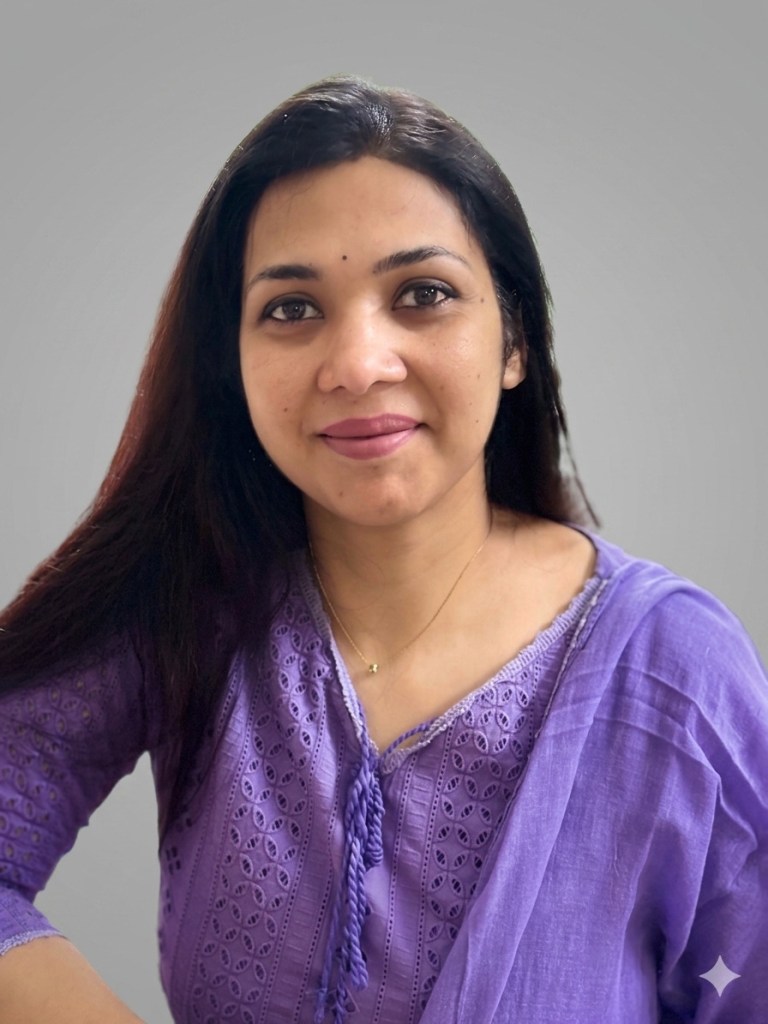
Manisha Pundir is an Indian writer and educator based in northern India. Her work spans literary fiction and essays on education. Her fiction explores memory, history, identity, and the quiet moral complexities of ordinary lives. Her essays on education have appeared in educational publications, and her research on pedagogy, assessment, and educational change has been presented at international conferences, including IAFOR. She is currently working on her first novel and a collection of short stories.
The many-taled monster and the Traveller by bhaqti
October ‘25
I travelled the world in search of something. Of what? I did not know. I sought to be surprised. I sought to be transformed. I sought to meet journeys which would more than inform.
The seas I did not see, I learnt to breathe them in. The skies I did not fly, I learnt to paint them in my sleep. The roads I did not walk, they rolled beneath me.
And I?
I knew I was someone, but I did not know who that was.
Or maybe I did. Maybe I always did. I just did not let myself be, for I was always in search of a union I knew would never arrive.
Till I met the limbless creature with disappearing eyes and resurrecting tails. Or were they tales? I didn’t know. She’d say they were more. Words were not words for her, but sounds. Music, rather. If ‘tail’ sounded like ‘tale’, who’s to say they were not meant to be the same?
I know those were not my thoughts. ‘Tail’ and ‘tale’ to me were different words, different worlds. Tales could have tails and tails could have tales but they could not be the same. Now that I think again, I ask myself how ever was I someone who treated them differently. Was my world before the creature one where tales did not have tails and tails did not have tales? Or was it a taleless, tailless world, where all that really mattered, was my search?
February ‘22
Before the world as we know it came into being, before you were here, before I was here, before the world had countries and countries had tongues and tongues had words and words had meanings, the world existed in two. These were not halves. No. These were not equals. Equals are not natural. Differences have always preceded the space between two. It is the space between those differences that make the world dance, but who pauses to see that dance?
One of these worlds was filled with differences. The north and the south always fought about who was better while telling the same stories in different ways; the east and the west never got along because they looked different – the eyes, the head, the plants, the dead, the animals and rivers, the deserts and givers. None of it aligned. And yet, somehow, it did, for it was still just one of two worlds.
And the first world? It was balanced. Growing rapidly, climbing a ladder it did not know where it reached except it looked at a future that looked better than the past. What was the past? Who knew? I knew we rigorously recorded it, but I dared not spend too much time with it lest it trap me the way it had trapped everyone around me. Not that I hadn’t read parts, but I was afraid. We glorified it, we reminisced it, and we hated it. The future had to be better than today for today was grey, today was bland, today was passing and not in my hands.
It was this world that I came from.
We were meticulous, boy, are we meticulous! Every second of every minute of every hour planned to account for the future we had never seen, for we knew that that out- of- control phenomenon must be prepared for. We knew how to harness time. We knew how to record flows. We knew how to identify our world and categorise it in words. We knew how to turn the space between those categories we created into novel experiences that made us feel like that’s exactly where we’d thrive the best. We knew where to find relationships, and we knew how to observe them to treat them like the water on our hands to shape the clay pot of our world which we could never bring ourselves to bake. Was it worth baking if it could never be perfect? And we kept seeing more and more categories. We knew how to be wary of separates. Similarities attracted and attached, differences repelled as if by an unknowable force.
I loved playing with magnets as a child. That strange invisible repellent force between two magnets felt like another being, a presence, a space more powerful than the solidity of those magnets. Oh, how they danced when they could not be together! But they must be together. So, I’d rotate them and stick them. Together. Forever. Till I got bored again and separated them to feel that invisible repulsive force again. How was it so solid, so tangible, so palpable? And what made them make that weird crickety sound I could not help but keep trying to imitate with my ‘krrrrr’s and ‘ktccchs’ and krrrrrrtz’? What produced that sound? How was it that that solid space of repulsion, upon a mere rotation of one of the magnets, went from dancing to singing? At the end of the day, though, I would always stick them together. I had friends who talked about losing one of their magnets, and I wondered what they did with that. How did these two magnets, so far away, manage to be without their friend? Could they live if they lived without dancing or singing?
“But magnets are not alive! They’re not supposed to! That’s the whole point. You’re not here to look at their life, as if they ever had one. You’re here to observe electromagnetism”, I’d get told off. On multiple occasions, that too. How did no one ever think that perhaps the electromagnetic fields were signs of life? If elementally we are atoms with more spaces in them than solid stuff, how does ‘alive’ only apply to breathing beings? Was I really the wrong one here?
But I could never ask, afraid that questioning science would be going against my curiosities, for it did answer so many of my questions.
And then I met her. The monster who sang. The monster who seemed to be blind but had multiple eyes. I kept wondering how it saw the world if its eyes were not permanent, or even stably situated. I could not understand her.
“Must you?” she asked me.
“But how do you see?”
“I just do”, she shrugged her shoulders.
“What do you see?”
“Same things that you do?”
“But your eyes do not stay!”
How could I be expected to understand? I had only ever known to see a world with two eyes carefully placed in unmoving sockets. I certainly could, and did, move my body to see things from different angles, but surely disappearing eyes was more than that?
“What is it they say in your world?”, she asked me. “Change is the only constant?”
“Yes, but reasonable change”, as if that wasn’t obvious. Shifting eyes? How?
“And how do you know what’s reasonable?”
How did I know what was reasonable? How did anyone? What was reasonable?
“Who told you, this idea of ‘reasonability’?” she asked me. Okay, so now we’d shifted roles. She was the one asking questions. But her questions did not seem to have answers that I could see as easily as we did mine. Then again, no one had asked me to ask such direct questions. In my defence, she must have seen many humans like me but I had never met someone like her.
“I don’t know. Is disappearing eyes reasonable?”
“I don’t know what you mean by ‘reasonable’. Don’t you get bored? Don’t your eyes get tired? Don’t they need rest?”
“They do. They sleep.”
“I know. But what about when you sleep?”
“You need eyes when you sleep?” What did she mean? Did her eyes never rest? Did they keep reappearing?
“You don’t? How do you dream?”
How didwe dream with our eyes closed? How did we see what we saw?
Right then, with one of her tails, she pulled out one of her newly appeared violet eye saying “look, this is my night lens!”
I was too afraid to hold it, but when I looked at it closely, I could see whirling spirals with painted pictures – landscapes, portraits, blending tentacles of spirals into new colours that were still shades of violet telling stories in montages. In one of them, none of her eyes disappeared and she looked like an octopus goddess, except she seemed to have at least sixteen eerily thin tails holding eyes of different shades of violet, all filled with more dream spirals. As I looked into one of those spirals, it disappeared into a haze when I realised that it wasn’t a haze as much as a tear. And then the violet eye disappeared.
I couldn’t stop myself, “if your eyes keep disappearing, how do you cry?”
She held out to me the tail which held her eye and held it at a right angle to my eyes. When I looked at it carefully, I found words in a language I did not know. But they seemed to have formed as a residue of the night eye’s disappearance, and they seemed to have torn her skin. I wonder how it did not hurt.
And then it happened. The carved word changed. Not literally, but still, it did. I have no way of describing this in the language of our world where letters do not align with sounds and the repetition of sounds can mean different words. I do not even know how I perceived that change in the word – it certainly has been long since I saw that ‘long’ turn to a long tail with a long tale. Her tail kept growing, so did her tale. The longing kept growing, just like the longing of her tail.
And what of her?
I was afraid. I was very afraid when that limbless creature rose towards the sky right in front of my eyes, into the trees, into the fruits, into the clouds… its longing did not stop till its head replaced the sun in my eyes. I was so very scared. What if she was burned by the sun? A voice in my head, probably my schoolteacher’s, told me that the sun could not be reached so quickly. But then they did not even know that the world they so passionately wished to civilise because of its unproductively pleasurable living spoke a language they could never understand because they did not have the grammar to understand it. Too arrogant we were, to wish to change a people just because they weren’t us. I had read those histories that called the limbless “unabled” and the disappearing eyes “blind” and the elongating tails “redundant”.
Right as her head eclipsed the sun, her singed tail coiled into a blue spiral that looked like a rose petal from the side and began to sing the tale of longing. A tale of evergrowing, unending, everlasting longing. A longing no one could understand. A longing to stop having disappearing eyes so that she, like us, could see the world stably, so that she would not be called blind. A longing to turn her tails into limbs so that the redundant could be turned into the productive, to be of use than to be just scrolls that would never be read but would be embodied so deeply that her children could recite the tales from her tails on their tail tips.
How didwe dream with our eyes closed?
January ‘17
It was miraculous, that creature, whatever it was. I was sailing from the ends of our world to the beginning of the unknown one, the one we were not supposed to talk about because it was too enchanting for us to then come back to our own world. I did not understand why we would be stopped here if it was so beautiful. Why weren’t all of us there if it was so beautiful there? Then I remembered what my mom used to say “they like controlling people here, makes us predictable, makes us easier to govern”.
She lay there on the shore of the river that merged the sea to the land, surrounded by plants, looking as beautiful as an ancient mermaid who had washed up the shore and was now recovering from the transition. This one, however looked like a huge mass of long, violet hair with prints. Or were they glyphs? I wasn’t much of a language person. They taught me one of ours, one of our neighbours’ so that we knew the influences of our neighbours’ language on ours, and that was about it. This world was the forbidden one. How dare we learn their language?
Then how was she singing in mine? And then came the little lens crawling towards me till I backed away from it, one step at a time, then stepped towards it, half step at a time. One step back, half step forward. One step back, half step forward.
“Scared. Scarred. Scared. Scarred”, the eye had sung to me.
“NO! Nooo. NO”, I’d said, as if talking to my little pet dog and not the strangest being I had ever encountered. But the eye kept seeing. The eye kept singing. And then it was gone.
“No! Come back! Come back!” and that’s when she had woken up, her inexistent face looking at me with a huge eye that kept bubbling; her hair no longer just hair but a mass of tails that supported that bubbling eye. And then rolled down another eye. It was a different colour. It came to me and seemed to be sputtering its tongue. But eyes did not sputter tongues, did they?
And then the creature sang to me
“fly away, little sailor,
Fly back to where you came from.
Here lay songs in words you see not
Here lay lives in worlds you live not.
Fly away, the wind still under your limbs
Fly to the stars, to the skies, to the rest of the wealth.
Fly anywhere but towards thine own self.”
I do not know how she produced that sound. Was she echoing in my head without any lips? But if she was echoing in my head, how was she the sweetest voice I had ever heard, and how did she not have to utter words? And what did she mean “fly anywhere towards thine own self?”
“Why?”, I asked her.
“Do you know where your self is?” she asked, again, from an unknown source, her eye at my feet gone, her bubbling eye still bubbling, but louder, as if a cauldron was about to spill over.
“I am my self”, I said. Such an insane –
“It’s not as insane if you think about it. When was the last time you talked with yourself?” This time, one of her tails rolled out into the bubbling eye and pulled out a scroll that looked like a royal letter. She stood there, admiring the typography of the scroll when I had said “Yesterday”.
“Here”, she handed me the scroll. I tried opening it, but I could not.
“What do I do with this?” I asked, trying to find the seal to peel but I couldn’t.
“Give this to the self you talked with yesterday”, she said.
“But I don’t know how to find her. She was here yesterday. Today I am today me.”
“And the you yesterday?”, she rolled another eye towards me, this one looking like a magnifying glass, “keep it. It will help you see. It’s of no use to me.”
“But what am I supposed to see?” I didn’t understand.
“That you’re not supposed to see anything.”
How could I understand this beautiful, unnerving creature who could neither speak nor sing nor fly nor swim, but thought she knew it all?
February ‘17
I try to understand her everyday. I try to write her everyday. I try to read her stories everyday. I try to understand her songs everyday. But I can’t. How can I? She understands my language but she speaks more than the two that I do. She transforms everyday but I am who I am everyday.
Today, I walked up to her and returned the magnifying eye she had given me.
“I found my self. The one ‘yesterday’, that you had asked me to find,” I was so proud of myself.
“The one yesterday is not the one today”, she said, graciously taking the eye from me and putting it into her cauldron eye.
“I know. But you had asked me where it was. And it is here. The one yesterday and the one today”, I pointed at my body. She seemed to smile, and a new word got written in a newly dying tail “revel”, it read and the tail began to dance while wrapping itself around me. I did not know what was happening. I asked her.
“We are revelling in your revelation!”
“But we don’t have time!”, I cried. “I need to know you fully so that I can write about you fully so that I can go back to my teacher so that I can tell her what I found so that we can write about it in our histories so that it can be taught to the next people so that they can come here and make friends with you and then learn from you and then –“
“Call me blind and useless”, she retreated into the sea.
Who were we? What sort of monsters were we for her? Were we monsters?
May ‘23
“I just do!”, she kept saying when I kept asking her what she saw with her disappearing eyes. Did the world not vanish? Did the world not feel reborn every moment? Did the world still have the same colours? Did the world reappear? What happened in that slight moment where she had no sight?
“There is always sight! I am here, aren’t I?” she hissed. I was only curious. Why was she angry with me?
Maybe it was because she lived in a different world and I lived in a different world. But I wanted to know her world. I wanted to see her world. I wanted to understand her world. I wanted to sing her world, speak her world, tie her world, take it back to me and share with everyone how wrong we were about her world, how it deserved a lot more love, a lot more marvel. Why would she not let me?
“Because there is nothing you can do about your history”, she told me. “Let it pass. The world I’ve seen gets turned into a tale, a tail, a tailless tale turns into a taleless tail – my eyes.”
“But I want to make it better for you!”
“It isn’t for you to make better! The seas are tired, not because you spilled your world into it but because you never thought about how important your presence is to this world,” she turned away from me to drink from the sea.
“You asked me if I cried? This sea is salty because of my tears. Evenings are violet because of my tails. And I am not the only one but that does not mean I am not even one!”
“Why are you mad?” I asked.
“I’ve always been mad”, she shouted and left.
Is that what I’d said, I kept asking myself.
October ‘23
“Why do you never answer my questions”, I asked her.
“I do”, she said. “I always do.”
“No, you always evade them.”
“Just because I speak a different language does not mean I do not answer your questions”, out poured a different tail with words I could still not read, but it sang the same tune as the lullaby my mother used to sing to me till I was eleven. She knew I loved listening to her sing.
March ‘25
I brought her back. I had to. She could never answer me. She was too unpredictable. Too multitudinous. Too simultaneous. Too spontaneous. Too untameable. Too much of too much. There was no way for me to understand her where she was. She could only be understood in my world, where we had the tools to filter answers through tales, where we had the practice to not have taleless tails or tailless tales. We believed in conclusions. We had to have an end. A happy one, hopefully. So here she was, with me, in my world, my closest friend in the last four years of sea research for the world archives.
I called my fellow researchers to meet her, to see her eyes, to listen to her song, to feel her tails. Why couldn’t she sing, though? My friends began to laugh. I couldn’t even cry lest they laugh more, so I told her and told her and told her, begged her and begged her and begged her. I missed her voice. She used to sing me to sleep with her beautiful stories in songs that never ended in words I never understood.
She rolled her tail towards the sea to drink and tried to sing, but I could barely hear a trace of her voice when her tail vanished and was reborn to read “here/hear”. But it did not grow. It stayed as it was. Her eyes stopped moving, none of them rolled out, none of them disappeared, not that there even were any. Her little cauldron eye was the only one, but it did not bubble any more. I tried to sing “here- hear” in as many tunes as I could but neither did her eyes reappear, nor did her tail grow.
April ‘25
I used to carry buckets full of saltwater for her to drink but all she could do was bubble.
Why couldn’t she sing?
May ‘25
My fellow researchers finally understood my fascination with her. They saw the cauldron bubble when one of her tails flew to the wind. They saw the tale she had handed me that I couldn’t open. I was finally understood.
How could I still not open the scroll, though? Hadn’t I answered all her questions? Hadn’t I found all her answers?
I asked her. But her voice was nowhere to be found.
June ‘25
Today, she spoke to me. Her voice was in my head, one of her tails grew, she awoke, she sang to me. Then she put that tale in my hand and sang “sang”.
I thought she was finally adapting and liking it here.
It was only upon a later visit to the archives that I learnt that “sang” in her language meant “together” and ‘sang’ was the past-tense of ‘sing’ in ours.
I was never to hear her again.
October’ 25
I travelled across the world in search of something. Of what? I did not know. I sought to be surprised. I sought to be transformed. I sought to meet journeys which would more than inform.
And I?
I knew I was someone, but I did not know who that was.
Or maybe I did. Maybe I always did. Maybe I always had. I just did not let myself be, for I was always in search of a union I knew would never arrive.
And the scroll? It opened today, when I let myself cry, let myself regret bringing her home to be understood, let myself hate myself and then hold myself and tell myself “It’s okay, you did not know.”
Who I was, I did not know.
Who she was, I did not know.
But maybe just like the scroll, all I could do was be.
Maybe just like the scroll, the answer was nothing and everything.
Maybe I was the one who was mad to seek a single answer and maybe she learnt to give in to me because she knew I was too stubborn to believe in more than one answer so she let me walk my quest for the one knowing wholly well that only in my search for the one would I learn that there is no one.
But what about my “happily ever after”?
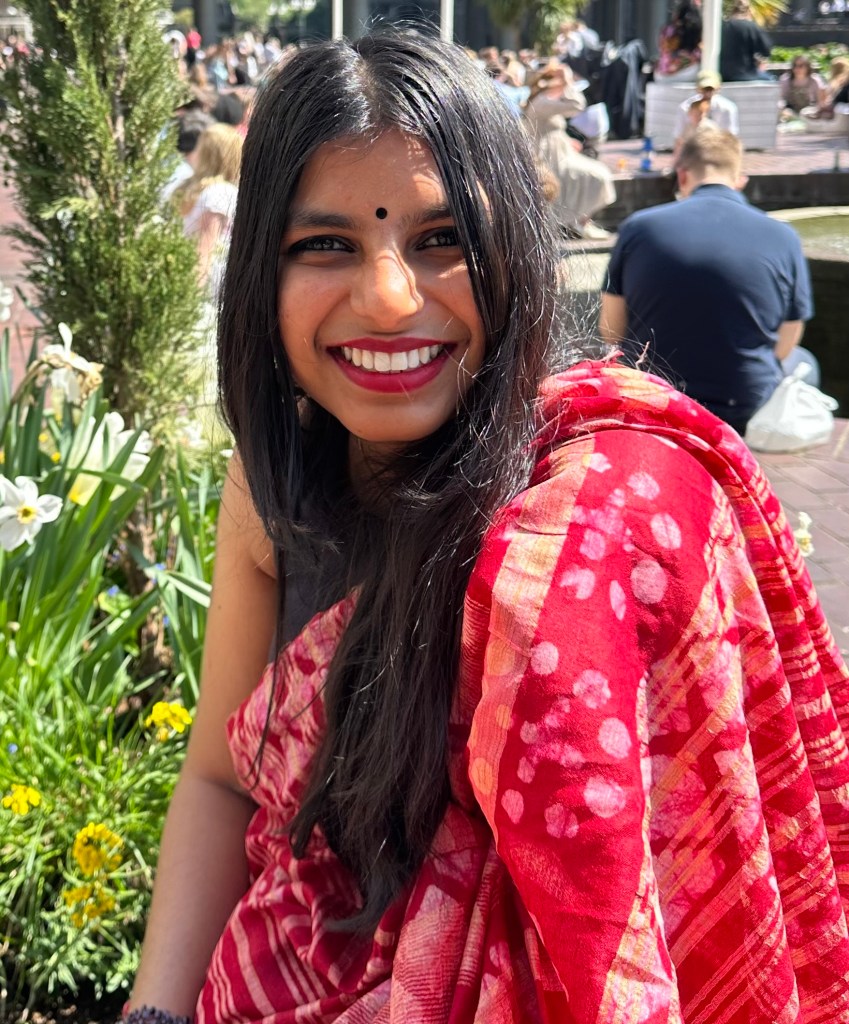
bhaqti is a writer, music composer, and theatre creative who enjoys playing with multiple and simultaneous mediums of expression. She is curious about the role of rhythms and harmonies in shaping worlds. Her work seeks to create utopias of Love.
Waiting for Anything by Sis Byers
Her phone was just about dead. She tried not to look at it in case any extra fidgeting would toll its final moments of battery life, and she needed it to stay alive to get any news about dad. She was only half a mile from home and throughout the night considered going there to charge her phone, take a brief nap, and reset. But she couldn’t move. She didn’t want to leave the hospital.
Most of her siblings were here, somewhere, at the hospital, but they were in various stages of not speaking to one another and needing time alone. The last few days had been nothing short of intense. She thought she saw Catherine down the hall, but it was so quick it could’ve been any other fortysomething dark-haired woman. One of her brothers was at the vending machine twenty minutes ago but was no longer in sight. And her twin sister Tracy left the hospital around dinner time and either hadn’t come back or snuck through another entrance. Her oldest brothers hadn’t yet shown up. And her oldest sister, and her two kids, were currently in the hospital room with dad. Anne had needed a break. Which is why she was sitting in the waiting room. She wanted to be alone for a little while.
Anne was familiar with this hospital. Not only because she was the sibling that still lived in town with their parents, but she frequently accompanied them to their doctors’ appointments and emergency room visits for the last ten years.
And she used to work here.
In the equipment prep and processing unit of the subbasement, where she sterilized and prepped surgical kits. She hadn’t been fired from this job – per se – it was more that she was strongly encouraged to leave. At the time of her dis-employment from the hospital it was the single most dramatic experience of her life, outside of any family drama, which she had experienced in spades. This drama was different because none of the players were her relatives. She wondered if Barbara, the woman who started the campaign to get her fired, was still there. She craned her head to look at the clock that sat high on the wall. 10 p.m. The overnight crew would have been there for about an hour but most regular employees would be long gone by now.
She checked her phone and the red power bar glowed with caution. There were a couple of strangers sleeping in the waiting room, and she could see a group of nurses and doctors eating late night dinner at the desk station along the side of the room. She stood up slowly and did a big stretch and a yawn, then slinked over to the door that led to the stairs. She glanced around to be sure no one was watching, then disappeared into the stairwell.
She descended the stairs to the basement and rounded another set, even lower, until she reached the subbasement. She could already hear the rhythmic clanking of instruments, the hiss of the steam, and the soft purr of the conveyor belt. She pushed through the swinging doors and ducked behind a laundry cart. From her position she noted that not much had changed. In her haste she had counted three employees on the floor. They would be working all night sterilizing and organizing the surgical equipment, cleaning off bone debris and blood and following strict protocol to assure the utmost immaculate condition. She remembered the rhythm of the rules. The process was ingrained in her muscle memory from years and years of repetitive motion. The sounds of the room now pulled at her hands and arms, but she resisted the urge to get closer.
She peeked out from behind the laundry cart, and when she saw the coast was clear she darted down the hallway to the offices. Barbara would’ve been long gone by now, home for the night, but her office was unlocked, so she slipped in.
She kept the lights off. There was enough of a glow from the hallway to orient herself in the room. She sat in Barbara’s swivel chair and looked around her office.
A phone charger! She plugged in her dying phone and immediately felt relieved. She closed her eyes to relax but was too anxious. She glanced up at Barb’s bulletin board and looked at the photos. A collection of Barb’s life held up with tiny push pins. Barb and her youngest children at Disney. Barb with a group of girls all dolled up at what looked to be a resort. A photo of Barbara with her fiancé. She thought it was tacky that Barbara did engagement photos for a second marriage and in her late 40’s. One of the photos was a close-up of her hand wearing a ring. Her hand looked puffy. The ring looked silly on such a puffy hand, she thought. Her eyes moved onto a photo from a holiday party that she remembered being at. The last one before she discontinued working there. Anne couldn’t find herself in the photo even though she remembered this moment. She pulled the pushpin out and took the photo in her hands, realizing on closer examination that her face and body had been blacked out with a sharpie. She applauded Barbara’s precision marker work, so well done that at first glance, she didn’t exist at all. A special chunk of time from this party had been spent bonding with Barbara’s teenage son over their shared hatred of her. In speaking with this kid, she found herself hopeful for the future of the country. She pinned the picture back up.
She walked back to the desk to check her phone. It was making good progress. In a cup she saw an array of colorful pens and markers. She reached for a blue one and walked back to the bulletin board, where she proceeded to draw a bunch of veins on the puffy engagement ring photo. Dorsal veinous. Dorsal metacarpal. Dorsal digital. Then with a gray marker, colored in the nails. Seeing how grotesque the hand looked now she began silently laughing.
“Congratulations on your pending nuptials,” she whispered in a ghoulish voice.
She never understood what Barbara had against her. Anne, for the most part, kept to herself. She joined for drinks with the staff, picked up extra shifts when needed, never complained about doing multiple overnights in a row. She enjoyed being needed in those times. She even liked Barbara in the beginning. Until, one day, she was asked to come into the office.
At the time, the request hadn’t given her a second thought, but when she entered the room, something immediately felt odd. Barbara in one seat, Tina, her best friend and HR manager, in another, Anne’s file in front of them.
“Do you know why we asked you here?” Barbara had a coy sound in her voice – as though she was suppressing a smile.
“No, I don’t actually.” And she didn’t. She smiled and looked from Tina to Barbara and back again.
“We’ve received some…complaints,” Barbara led. “About your collegiality.”
Anne paused. “What does that mean?”
“The word?”
“What?”
“You don’t know what the word collegiality means?”
“No I do – I just don’t know how it’s applied to what you are saying.”
“Let me put it like this, ok? People who work with YOU, are saying they have issues with how YOU work with them and other members of the staff.”
Anne looked down at her legs and then at the floor and then back up at Barbara. She was scanning her brain for anything that stood out. She always felt like she got along with everyone. Lending a helping hand whenever asked. Anne didn’t have a family of her own, so was always the one co-workers went to when they needed coverage for a baptism, graduation, kids’ recital, wedding, funeral, family fucking reunion. She even helped outside of work. Was the go-to person to pet-sit peoples’ pets when they went on vacation or to help them move furniture in her truck. There was very little she wouldn’t do if asked. “What did they say happened?”
“What? Can you speak more clearly?” Barbara looked over at Tina and they shared a look.
Anne straightened and tried to speak up. “Did something happen?” It was no secret that she mumbled, her words sometimes jumbling together and mixing. She’d been like this since she was a little kid, and it got worse if she felt uncomfortable or stressed – especially if she was flustered.
“We’ve just received several complaints.” Barb gave no further hints.
“Ok.” Anne sat there nervously, her mind entirely blank; she didn’t know what else to say. Sometimes she wished her siblings were with her in these situations, if only she could channel them. They were much more accustomed to fighting, saying what they meant, and weren’t afraid to be complete assholes. Her twin would know what to say. But her twin didn’t get bullied by the Barbaras and Tinas of the world and would never find herself on this side of the table.
After that meeting, the next few weeks became increasingly uncomfortable. Anne felt like she was under a microscope and every slight mistake was noted and given to her in formal feedback. She had more and more frequent meetings alone with Barbara, who repeatedly told her she was not doing enough to mitigate the complaints. Anne asked how she could improve and wasn’t given any tips or constructive advice. And before she knew it, the head of the department, having received the report and input from Barbara, encouraged Anne to put in her notice and look for another place of employment. He would, though, gladly give her a letter of recommendation as he found working with her quite pleasant. She remembered how he smiled at her when he said this.
It took Anne over a year to find her next job and several more years to get over the disappointment of her failure to fight back. She had felt proud to work at the hospital. Her dad was proud she worked at the hospital – he said as much to anyone who asked about her. This was the one job in which she felt completely competent, where she felt like she was helping people. She never understood what went wrong.
She checked her phone one more time – it was half charged. On the desk in front of her she saw Barbara’s keycard. She tried ignoring it, but it sang to her. She couldn’t help it. The keycards were your access to any room, and to the cafeteria. You swipe in, you pick out your food, you swipe out, and everything is charged to your account.
Riding up the elevator she eyed all the food on the tray. She grabbed enough sandwiches for the entire family, 8 slices of cake, 10 cans of soda, a few granola bars, apples, bananas, a few yogurts, and 4 puddings. Before leaving the subbasement, she placed Barbara’s badge in Tina’s mailbox. When the elevator opened, she walked down the dark and quiet hallway, making her way to her father’s room.
Her seven siblings, and many of their children, had found their way back to his room. They cheered when she came in with the bountiful tray of goods, not a single one of them asking where it all had come from. Everyone grabbed something. Then they ate in silence, letting the food comfort them, watching their dad as he lay unconscious. It had been years since so many in her family sat under one roof. The beige walls made them all seem so much more in color than Anne had ever seemed to notice before. The warm feeling of belonging surprised her, and she found an open space on the floor next to Tracy.
“Aren’t you hungry?” Tracy asked her softly.
Anne looked up briefly. “Nah.”
“Well, can I have it then?” Tracy flashed a smile.
Anne held out her plate. “Sure.”
She leaned her head on the shoulder of her twin sister, blinked her eyes a few times, and quickly fell asleep.
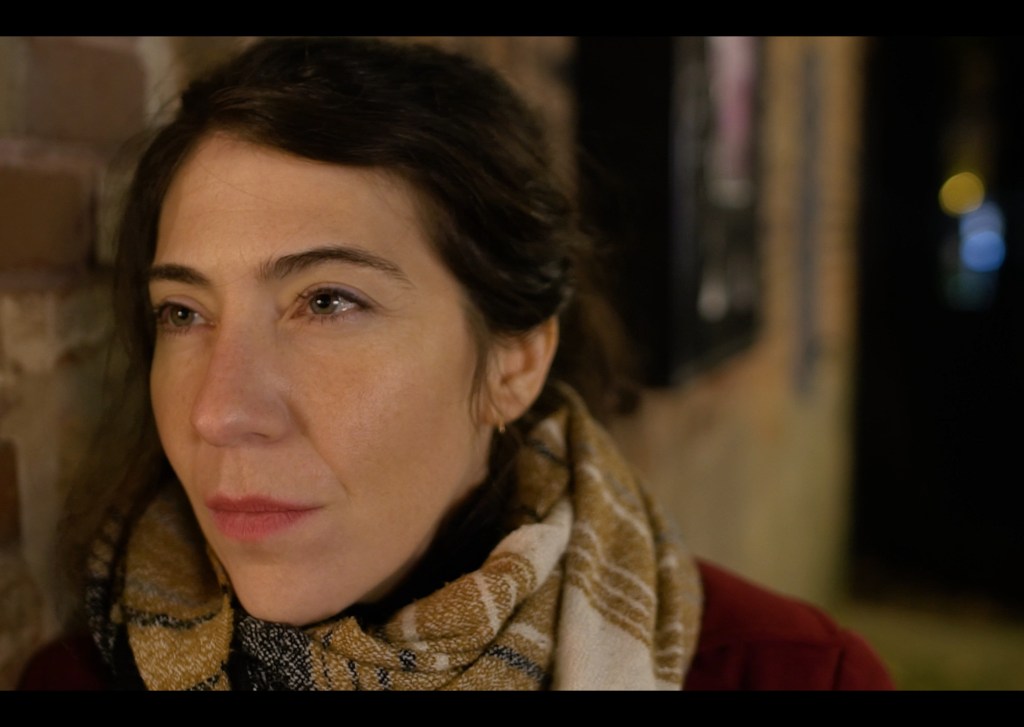
Sis Byers lives along Lake Michigan in Chicago, Illinois where she writes fiction, screenplays, and personal essays. Her sharp, tight, and humorous prose explore the tenuous connections inherent to romantic entanglements, the fragility of familial ties, and the absurdity of life’s personal and professional roles. Byers’ work has appeared in The Brussels Review, Dark Winter Literary Magazine, Parcham Magazine, God’s Cruel Joke Literary Magazine, and others. When not writing she produces and directs short films with her creative partner, forcing their friends and family to star.
 Parcham Online
Leave a comment