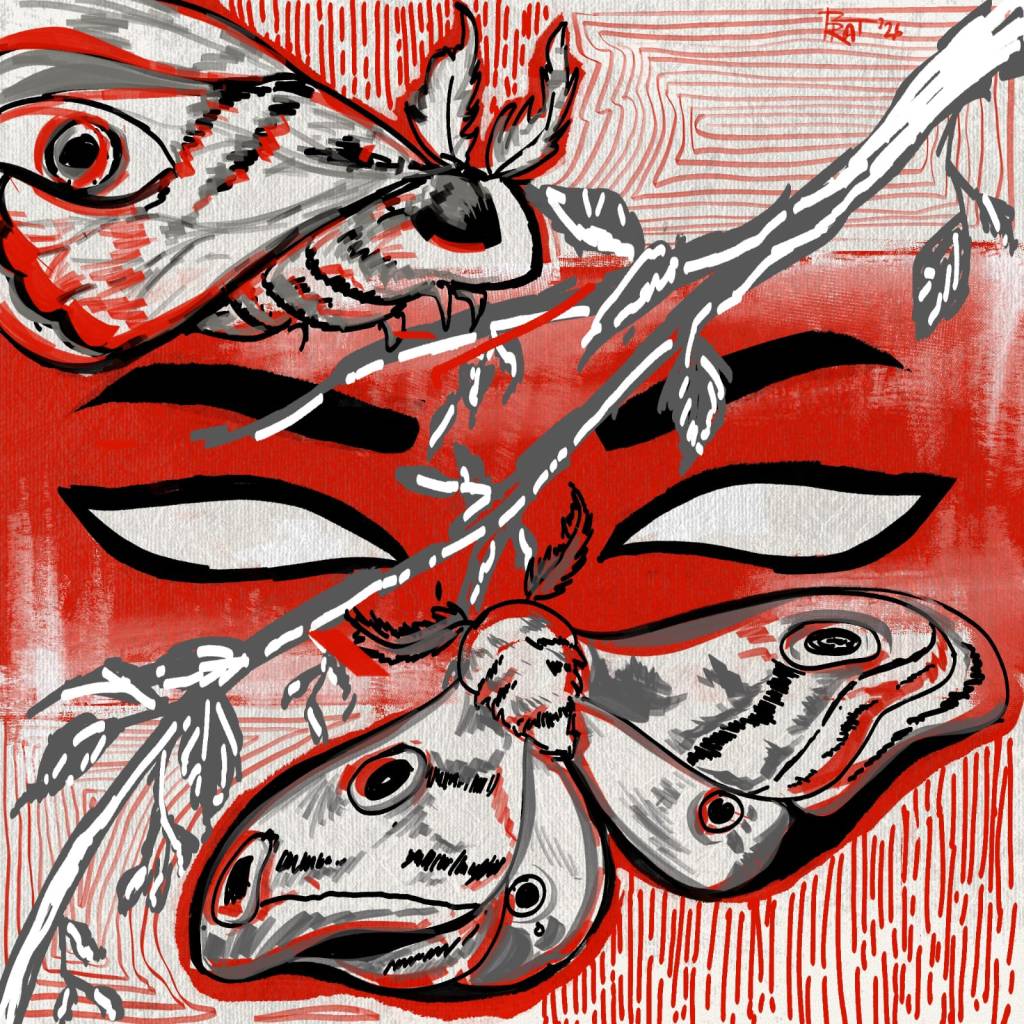
Breaking Barriers: Traversing the Road Less Taken by Ruma Chakraborty
She packed a few essentials in the worn-out duffel bag – clothes, books, desultory toiletries, a few thousand rupees (her entire savings) and her ramshackle, second-hand laptop. Jayanti or Jay to her friends felt overwhelmed. She was surprised by her own rebellion. Her boyfriend had ghosted her the moment he got to know that she was pregnant. Why had this not surprised Jayanti? She had somehow guessed or known how he would react. Women’s intuition or gut feeling, she knew that she had already known that Piyush was weak and selfish. She did not need him.
‘You have to abort it!’ Her Mother had been livid. ‘How can you do such a terrible thing? Have you no shame? Did we raise you so badly?’ The barrage of negativity had been poured on her by Ma. Her Father seemed to have retreated into a shell. He barely looked at her, would not meet her eye. After her mother’s tirade, she heard her father suggest in hushed tones about trying to find someone who would marry her in her present condition and make an honest woman of her. Jayanti felt strangely detached from the turmoil she had caused. She should have felt devastated after being let down by her so called near and dear ones but she was not. She wanted to keep the baby. Only she seemed to refer to it as a baby, the others just called it ‘it.’
If she took the 8:15 local, she could reach VT around 12:45. She knew she would be better off in the anonymity of Mumbai. However, where/what/how were questions that lurked uneasily at the back of her mind. Opening the main door of the house (it had long ceased to be home) her eyes swept around the familiar contours. She was sure her parents would be affronted by her step but secretly relieved to not have to answer uncomfortable questions pelted at them by society. They would much rather be socially acceptable than be a support to their only child. “Strange are the ways in which this life enfolded,” thought Jay. In spite of her resolve, she felt a twinge of pain, a swathe of sadness washed over her. Shaking off the feelings, she stepped out, quietly closing the door behind her. The finality of click of that closed door rattled her momentarily but she took the Auto from the corner of the street and said, “8:15 local lena hai, bhaiya! Jaldi chaliyega na?” The Autorickshaw driver looked at her once, nodded and opened the throttle. The wind felt exciting and soothing, simultaneously. Jay had started her journey.
She huddled into the corner seat with her bag. Felt lucky that she had found a place to perch herself. This was no mean feat as the compartment in the local train was chock-a-block full with women of all kind who seemed to be totally engrossed in their own world. No one gave her a second glance. She felt relieved. Suddenly, her stomach gave a heave and she was near the door of the compartment in a trice, retching violently. The women looked at her then, some questioningly, some with irritation, a few with curiosity but none with care till she felt a bottle of water being thrust into her hands and a firm yet gentle palm patting her back.
“Tula kase waatath aahe? How are you feeling?” Jayanti’s eyes focussed on a strong, hard face with sharp, shrewd eyes that were weighing her carefully. However, the eyes were softened by sympathy, a firm yet gentle kindness. The transgender was the first person in many days who seemed to be seeing Jay, not her condition. “Me theek aahe, Kaki, I’m okay,” Jay said softly. The eyes softened further and the hint of a genuine smile lit up the cautious eyes. “Tila basu dya (let her sit)!” She/he admonished the middle-aged Aunty who had hogged Jay’s seat. She stood on guard while the aunty grudgingly moved to make place. Low grumblings ensued but subsided when the transgender glared at her. The temper, tongue and curses of a eunuch are treated with a fearful wariness on these local trains.
“Me Shashikant/Shashi Bai ahey!” A set of sparkling teeth smiled at Jay when they alighted at the station. The enormity of her act was threatening to overwhelm Jay. Her eyes darted around in trepidation and insecurity. Shashikant knew this feeling. He had felt it ten years ago when donning his mother’s saree he had walked out of his house with his mother’s look of disgust imprinted on his back and soul. He had decided that from then he would not lie to himself, no, to herself about who she felt she was, no, who she knew she was. Life was too short to waste any more.
“You are pregnant, no?” Shashi asked Jay, almost matter of factly. “Where are you going in this condition?” Jay gave no answer but her weary, strained eyes said it all.
“Don’t worry, you can stay with me in my room in the Parsi area. It is clean and not in a chawl.” She finished with pride. “What have you got to lose?”
“Why are you helping me?” Jayanti asked.
“Because I stood at the same crossroads, ten years ago and know how it feels to be apologetic about being honest to oneself,” came the calm reply from the one whose eyes spoke of storms of unimaginable pains.
“Look, I have a selfish motivation too. I have always wanted to be a mother. But I can never actually be one. I have tried to adopt a child. But nobody has even allowed me to apply. You can fulfill my dream. You can be the child’s father. Earn a living without the guilt of neglecting it. What do you say?” The earnest prayer was left hanging in the air between them.
Jayanti let out the breath she had been holding since she had left home, slowly. She looked at Shashi and smiled hesitantly. Things were not looking so bad, after all.

Ruma Chakraborty is a senior English faculty in a premier institution in Kolkata. A painter, an elocutionist, a poet and compulsive story-teller, currently she is in the process of writing a compendium of short stories and poems. Having had her short stories and poems published in several national and international anthologies, Ms. Chakraborty was awarded the Literoma Nari Samman 2021 for her collection of poems and the Literoma Laureate Award in 2023.
She is a passionate artist having had her art exhibited at ICCR, Gaganendra Pradarshanshala and Gallery Gold to name a few.
Pickled Lives by Jayaram Vengayil
“I had told you not to put it in the hand baggage,” Siby scowled into the phone. He could hear Threesa sighing at the other end. All my effort gone to waste, she thought. “You and your stupid ideas,” continued her husband. “Sorry Sibychaya,” she replied. “I just didn’t want your clothes to get spoiled if the jar leaked.”
The security guard watched Siby with growing restlessness. “Chalo, chalo,” he said. “Aagey badhho.” “But my pickle?” said Siby. “I put it in my check-in luggage. Give me.” “No, no, you go,” the refusal was final. “Pickle gaya.” The man shooed him off as he put the jar into his table drawer and smiled. “Ab tum bhi jao.
As Siby shuffled down the queue he took one last look at the table in which his half kg of freshly pickled prawns had been stowed away. Nainda mon, he cursed to himself. He was sure that the man was going to take it home and enjoy what was meant to give him solace on lonely nights in his staff accommodation.
Siby loitered around the store windows in the departure area to take his mind off the loss of his precious pickle. But that didn’t help. It kept going back to the pungent flavours that Threesa had conjured up for his pleasure. A pleasure that was now lost to him till his next trip home.
Back home, Threesa looked at the remaining pickle that she had not been able to pack into the jar. She was about to dump it into the garbage bag when she suddenly remembered that her mother-in-law Elsamma was to visit the next day. What Sibychaya can’t have, let at least his mother enjoy, even if I don’t deserve to, she thought as she sat, finishing her lunch in the empty house.
Siby had just finished his fifth perambulation of the sleepy shops in the departure area, when he noticed a crowd around the boarding gate. Why wasn’t the flight announced yet? he wondered as he walked towards the people swarming a hapless ground staff member. “The incoming flight hasn’t come in yet….” He overheard someone say. “Looks like there’s something terribly wrong and no flights have taken off.”
His phone hissed. It was Babu, the driver who had replaced him during his leave. “Sibycha, the airport has been bombed. Looks like a war is breaking out. The airport is closed indefinitely….” Siby stared at the phone as it crackled and went phut. What on earth was happening? he wondered. After all these years he had managed to find a job as a driver for a household abroad which paid infinitely better than what he earned as a laboratory technician here. And now just when he was settling in after less than a year, this had to happen.
He cursed himself for having agreed to this visit, despite not being eligible for leave, because of his mother’s frantic pleas to handle the threats from their neighbouring plot owner, Ousep who had encroached onto their modest property. The man apparently wielded influence with the local bigwigs and without someone interfering on their behalf they were sure to lose three cents out of the ten that they owned.
Not that his presence had made any difference. The man produced documents from the recent digital survey which were so confusing that Siby had no other choice but to engage a lawyer. His brother-in-law Charlie’s friend whom he soon discovered was a turncoat who happily accepted the generous bribes that the wealthy neighbour was able to tempt him with. And….. now this.
The passengers, increasingly alarmed, were soon milling around the airport staff who looked like they wished they could be somewhere else. Some more aggressive ones started dashing towards the duty officer’s room to demand that they arrange an alternative. “The airport at the destination is closed indefinitely. What can we do? We will refund the full fare and keep you posted with updates,” said the duty manager.
After crossing Immigration where his passport was stamped for re-entry, Siby wondered whether he should call Charlie who had dropped him. Maybe he could come back to pick him up. But decided against it. He wouldn’t be able to stand the idiot’s taunts. He had always been jealous about his foreign employment and never lost an opportunity to hurt him.
Siby wondered if he should take a taxi. But what was the hurry? He had all the time in the world. Maybe the war would never end and even if it ended, Babu would have managed to win the hearts of the family who would not bother to get him back. His visa would expire within three months. He stared at the TV screen in the departure hall. It looked like the damage was extensive. I hope it gets over before my visa expires, thought Siby as he made his way towards the bus stop.
That was when he saw a familiar-looking figure. It was the security guard who had confiscated his pickles. It looked like his shift had ended because he was clambering into the staff bus, apparently on his way home. Siby caught a glimpse of a bulge in his bag which looked like the pickle jar. Bastard, he thought. May he choke on it and die.
Siby decided not to call Threesa. He would give her a surprise. Or was it a shock? They had hardly been married for three months when he got this foreign job. She has brought you luck, his mother, Elsamma had said then. Siby was not sure what she would say now.
By the time he got to his destination, Siby was quite sleepy and almost missed the stop. The conductor yelled at him for making him stop suddenly. He pushed him and his luggage out as the bus sped away leaving behind a cloud of dust.
When he reached the house, he somehow sensed that there was no one home. Even if the windows are open, an empty house signals its emptiness to the world in so many ways. Where was Threesa? he wondered as he dialled her number. It was engaged. Then it kept ringing and there was no answer. He knew the key would be in the little crevice above the door. He found it. The house was dark. Every sign of Threesa was gone, her clothes, her jewellery, everything. His mouth went dry. He kept calling and very soon the phone at the other end went dead.
Siby found the pickle on the dining table. He opened it and smelt its fragrance. All of a sudden, he felt hungry. He looked in the fridge and found some rice and curds. As he sat eating in the near-dark room, Siby knew that Threesa’s number would always be switched off and even if it were to come to life later, he wasn’t going to call her again.
Raghav Chaubey fidgeted as he waited for his wife, Madhu to answer the doorbell. He liked the second shift because he could come home in time for lunch, have a leisurely siesta and leave for work late at night. Commuting wasn’t a problem because the staff bus picked him up from his doorstep and deposited him back the next afternoon.
He pulled out the jar of pickles as Madhu opened the door and dangled it in front of her. “Look what I have brought today,” he said. “Your favourite Kerala pickles.” Madhu’s eyes widened. She was bored of the perfumes and creams that her husband usually brought home from the confiscated baggage. She had told him to stop bringing any more stuff home as it was against the rules. But he just wouldn’t listen.
“What’s for lunch today?” he asked. “Your favourite lauki dal, kathal ki sabzi and phulkas,” replied Madhu. “With your favourite pickles to accompany it,” added her husband as he went for a quick shower before settling down to lunch.
By the time he got back, Madhu had laid the table. He plonked four phulkas onto his plate and scooped up the dal and sabzi. Madhu had already deposited a spoonful of pickle on her plate. She dipped her bread in the pickle and started eating. “It tastes heavenly,” she said. “What is this thing but… it’s not mango or lime. Oh my God, it looks like a worm!” She spat the strange coil onto her plate. “What is it?” asked Raghav. He had already eaten quite a bit and admittedly it tasted nice. Nothing like what he had eaten before. “It must be meat or fish. Yuck!” he cried. They looked at each other. “That bastard passenger,” he said. “I hope it is not beef.” “Let’s not tell anyone about this,” added his wife as she licked the spoon. “It is such a shame. And you with your greedy eyes on every worthless thing that you can lay your hands on. Stop bringing this stolen stuff home from now on. This is a costly lesson.”
Before throwing it away, Raghav quickly helped himself to the sauce from the pickle, taking care not to eat any more pieces. His heart sank at the thought of having to recite the Gayatri Mantra one hundred and one times to atone for this unforgivable sin.
As they finished their lunch, the silence was broken by Madhu’s mobile. It was Ishaan, their son. He was in the twelfth class at the Kendriya Vidyalay in Delhi and lived with Raghav’s brother and family. Madhu could hardly hear him speak with all the commotion in the background. “Where are you, Ishaan? What’s all this noise about?” asked Madhu. She heard the boy’s excited voice above the din. “Ma, I am at the protest meeting,” he shouted. “What protest meeting? What are you protesting about?” she asked. “It’s a protest against the failures and corruption in the education system,” the boy replied. “Are you mad?” said Raghav, grabbing the phone from his wife. “Just go back quietly and study for the exams. I have already spoken to the bosses. They will take care of your admission and once you’ve passed, they have promised that they would get you through the interview.”
“No,” he heard the boy say. “I don’t want these ill-gotten favours. This is precisely what we are protesting against.” In the background, Raghav could hear young voices on the loudspeaker. They seemed to be reciting a poem in Hindi:
“The most dangerous thing is not failure.
It is becoming numb
It is losing restlessness.
It is silently accepting everything.
It is going from home to work and work to home.
And most dangerously, it is the death of our dreams.”
He had heard this before during his college days. Immortal lines by the poet Paash, he thought to himself. “This is dangerous,” he yelled into the phone. “Go back home, now!” The boy only chuckled at the other end and the phone went dead.
Raghav was overcome with nausea. He ran to the washbasin and putting his fingers down his throat he tried to vomit out the sinful pickle. He watched with horror as tiny worm-like creatures came out of his mouth and swirled in the water as if alive.
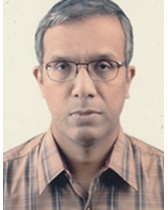
Jayaram was born in 1964 and currently lives in Kannur, Kerala. A bean counter by profession and a word smith by choice, his work has been published in leading online and print publications. His debut collection of short fiction will be published shortly.
Silingkhar **( Translated by Pompi Basumatary)
( Written originally in Bodo by Monalisa Basumatary )
It must be one of my past life’s curses that I am a miserable soul today; somebody must have set a trap, and I am doomed to live with constant pain and misery inflicting my heart.
Mwidang didn’t realise when tears had welled up in her eyes; shocked to discover tears on her cheeks, she hurriedly wiped them off with her dokhona[1]’s doba[2] before anyone could see her crying. It was long into the third year of their marriage when she bore her dear son; today, the toddler is sick along with his mother. The sultry winter sun has chilled his body after long hours of sunbathing, and now she is trying to warm his little heart. Her hair has thinned; she often stays sick. Last night, as she was feeding the baby, her husband snatched him away and dragged her by yanking her hair forcefully. “Look at your face! You are not pretty enough to be my wife. When we married, your parents sent you with nothing!”— repeatedly shouting those words, he battered her. Mwidang can’t dare to answer back. A single reply could trigger him again. Scared of being slapped hard like the previous times, she pleaded with him with folded hands to return her son so that she could feed him.
Since the early days of their marriage, her husband lied and deceived her; he often said, “I am not interested in kids yet”, and his sisters-in-law seconded, advising her to avoid having kids for the time being. Irrespective of what others had to say, Mwidang desperately wished to be a mother. Five months into her pregnancy, when her baby bump started showing, he still argued that they didn’t need a child yet; he told her to visit a doctor and get an abortion, if possible.She used to only think about ways to keep her husband happy. Mwidang was not a foresighted person. She did as she was told. Nevertheless, the husband and his relatives never stopped despising her. She is the same woman whom Umesh, her husband, fell in love with and had sent his brothers to fix their marriage with her family to bring her home as his wife. Today, with his own hands the husband is making her life miserable. Mwidang began feeling uneasy—she neither wanted to eat nor stay in that house anymore. While debating whether to inform her parents or not—time slipped away rapidly. Every evening her husband would leave with his motorcycle to bring vegetables, meat and jou[3]. One evening, when two girls from the neighbourhood came to see the baby, she saw an opportunity and approached them, “Dear girls, please stay for a while and play with babu[4]. I will take the maid servant and go to a nearby shop and buy sal[5] tree firewood; we urgently need some to boil water.” “Sure bajwi[6]”, replying to this, they sat on their bed and played with the child. Near the shop, she locates a P.C.O and goes in, she dials her mother’s number, and within a short span, she tries to narrate all her painful ordeal. As soon as they learnt of her misery, her parents and grandmother reached Diphu[7] the very next evening.
Umesh and Mwidang used to live in a rented house in the town of Diphu. In those days her husband was a small-time contractor, while Mwidang was a teacher in a private school, where she joined three months after the marriage. She has never seen her father or mother-in-law, as they passed away while her husband was still a college student. Each of his three brothers and sisters-in-law had one pair of children when she first joined the family. Everybody had government jobs and landed property. From a distance, it projected the image of a prosperous family.
Although she was the eldest child of her parents, Mwidang was totally oblivious to the ways of the world despite her BA degree. To the husband and his family, she was like a thorn, a sore sight to their eyes. These things used to keep her upset and forlorn.
The parents and grandmother have gone to Diphu to bring Mwidang and their grandson home. Today, she is highly tensed, and overthinking is making her hesitant. Just once her father tells her, “Tomorrow you are going with us never to return.” Grandmother echoed her father’s words. Her mother is quietly looking for her toddler’s clothes and packing them. Pulling Mwidang aside, her mother says, “Pack your certificates right away, my dear.” Although she packed her things she is still confused. She worries what consequences lay ahead for her marriage after this and develops a splitting headache; but she knows that her mother’s advice is valid and goes on to do as she is told. Before her husband arrives, she quickly puts aside the child’s clothes and other necessary things in her grandmother’s bag.
At night, after having their dinner, everyone went to sleep quietly. In her heart, Mwidang felt extremely terrified because her husband slept with a khukri[8] under his pillow. Ever since her marriage, she has always seen the knife, “Someday I will cut you into pieces and go to jail if I have to.”, he had threatened her. He would frequently swear and beat her black and blue— such has been her marriage. This constant day-night torture turned her weak and fragile. Mwidang thinks, “Why does my husband act so crazy?” or sometimes she thinks, “Or am I the one who is dumb and crazy—why can’t I please anybody!”
Next day, after everybody had their bath and stood ready, Mwidang ’s father told their son-in-law, “We are taking Mwidang for ten days to look after her; once the mother and child recover, we will bring them back.” Mwidang could never dare to open her mouth and express freely that she desires to go somewhere, since morning, her heart has been burning with roaring flames as if it were set on fire by haystacks[9]. With no penny in her hand and only the pair of dokhona she was wearing, she set out to leave with her parents. Along with her degree certificates and the bundle of little baby’s clothes, she journeys far away from her husband, accompanying her father, mother and grandmother. She feels her heart and soul ripping apart in sorrow; it was an unusual feeling of neither being able to die nor staying alive.
After arriving at her mother’s home from Diphu, at her insistence, she visits a private school and begins teaching for the next six months, so that it supports her in her struggle for survival, for which she had come here with only a pair of dresses to wear and no money at all! In between, she filled out job applications if any advertisement appeared in the government sector offices, hoping that she would crack it someday. Fortune favoured her; through some stroke of luck, she soon got one. She made a call to her husband to share the news. On the day of joining, she took her toddler along. After some time had passed, the husband moved in and found himself a government job. Today, they are parents to two kids, but she still feels the lack of love and affection. Till now, the husband does not speak to her nicely and doesn’t seem satisfied with her. Despite this, Mwidang does her duties as a wife is expected, working hard and feeding the family as expected by the social norms. From her loan money, they purchased land property, built a house and bought a car. She invested all her earnings in the upbringing and education of her two sons. Meanwhile, the husband squandered his income on alcohol and gambling. Nevertheless, despite the lack of love or any hopes of adjustment from him, she decided to overlook everything and lead a compromised life as a woman is supposed to by society.
Her husband’s relatives ring her once in a while to ask how they are doing although her heart burns in anger, she responds politely; she reciprocates their calls and asks about everyone’s well-being. The children of both her sisters-in-law have been married. The daughter and son of the eldest sister-in-law were blessed with their own children; however, their marital lives are in shambles! Ever since their daughter gave birth to a girl, her husband has been indifferent; he has extorted money from her and her family and rarely stayed at home, not shouldering his family responsibilities. Mwina[10]’s elder brother secretly married and shockingly brought home a woman from a different community; his poor mother is weak and frail and cannot do daily chores as she has weak limbs from old age. To make matters worse, the mother of the daughter-in-law began staying with them. Mwidang witnessed everything with her own eyes when she went to attend a wedding in her husband’s family.
The two sons of the youngest brother and sister-in-law have also been married for a while. Among the two, the eldest earned an M.Sc. degree and was blessed with a daughter, but it wasn’t long before differences developed between him and his spouse, and they separated, he sent his daughter to his mother to raise her and lives as a young divorcee today. His younger brother married a woman who was an M.A. degree holder; she came from a very rich family. It’s been four years, they are still without a job and don’t have a child yet, in fact, the wife is reluctant to stay with her in-laws. Any parent would never want their only daughter to stay idle in life, especially when they had spent so much on her education, their disappointment was natural seeing how incapable they were to financially provide for themselves. Recently, her husband’s nephew paid them a visit, he brought the news that the younger son moved to his wife’s house and found a job too.
By the time Mwidang left her husband’s home for good she had a heart ablaze with anguish and despair accumulated over the years when all she wanted was to lead a happy conjugal life but at her in-law’s place all she experienced was lack of compassion and neglect. Today when she looks back, she remembers how the three sisters-in-law pitted against one another while bragging about their husbands’ jobs at a get-together at the eldest sister-in-law’s house. In those days, Mwidang had nothing. She was a nobody then, and even today she hasn’t forgotten the inhuman treatment from her husband and the tormenting, vile words her sisters-in-law hurled at her. She still remembers how miserable and sorrowful her life had been. She had to run away with her toddler with the mother-father and grandmother’s support to literally escape and save their lives!
It’s hard to presume what fate has in store for a person! Mwidang still wonders why her husband still despises her. Did somebody fill his ears or do black magic to turn him into a wife-hater! When she takes everything into account and looks closely, she is amused by how justified is the downfall of this family from riches to rags is, where the young and naive daughters-in-law were abused and harassed by the in-laws in their better-off days, but for how long? It doesn’t take much time before such a family desiccates into ruins!
** To ruin or destroy
[1] Traditional full-body covering garment worn by Bodo women.
[2] The triangular corner of dokhona which rests in the chest formed from the first knot.
[3] Rice beer locally brewed by the Bodos.
[4] Endearing term of a little boy.
[5] A tree found abundantly in Bodoland Territorial Council districts and still used by the indigenous groups as firewood in some households.
[6] Indigenous Bodo term for sister-in-law.
[7] A small town in the Karbi Anglong district of Assam.
[8] A long knife like a machete
[9] Hay stacks catch fire easily and can lead to massive firebreaks around, inflaming whatever it touches.
[10] Young girl
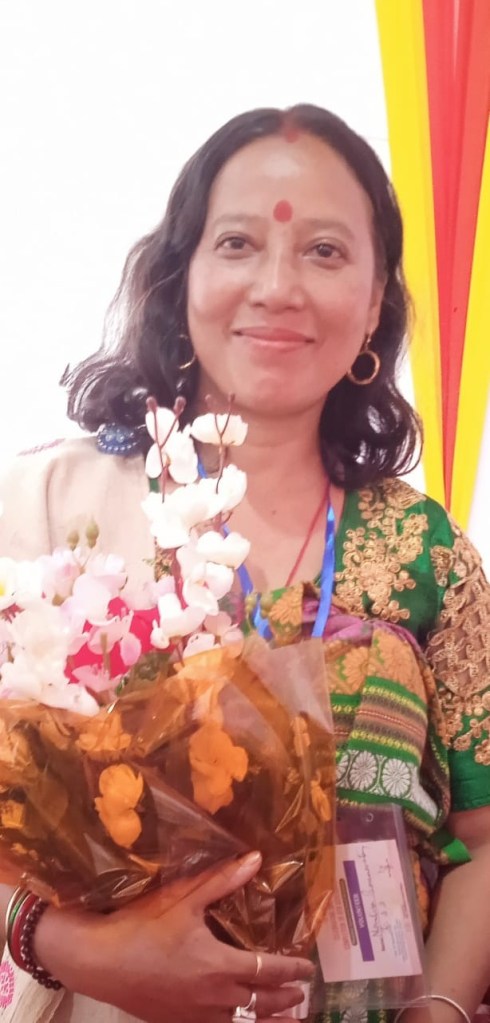
Monalisa Basumatary is currently serving as a Senior Administrative Assistant at the BTC Secretariat, Kokrajhar. She is an emerging literary voice with a deep passion for writing that began in her teenage years. She has published two anthologies—Simangni Dubli (2018) and Jiuni Eshanshali (2019). Her work earned her the prestigious Paban Borgoyary Award from the Bodo Writers’ Academy in 2021. Over the years, she has written numerous short stories and poems in Hindi, English, and Bodo, many of which have appeared in various journals and some radio programmes. While much of her work remains unpublished under her own
name, her contributions reflect a rich and evolving literary journey.

Dr. Pompi Basumatary is an Assistant Professor of English at Assam Royal Global University, Guwahati. She has a MA in English and PhD in English (Translation Studies) from English and Foreign Languages University, Hyderabad. In her spare time, she is a writer and a translator, from Bodo-English. Her major literary works and translations have been published in Riverside Stories (Zubaan Books), English translation of Bodo folktales in Indian Literature (Sahitya Akademi), Muse India, poetry translations in Voices from Bodo Heartland (Red River Press), book review in Teesta Review: A Journal of Poetry (Vol 9, issue 1), etc. Her upcoming publication includes few translations in an anthology by Rupa
Publications, due August 2026.


Leave a Reply