Linda Vigen Phillips
Traveling Light
On June 16, 2015, the owner of the building
glided down the escalator
behind his sylph-like wife in white. Dozens
not thousands of paid gawkers applauded
their emergence from an over-gilded world
on his big, big day that opened with
an ordinary sunrise. Neil Young’s
“Rockin’ in the Free World” blared
without his permission for the satin smooth
ride to the basement. For 45 minutes
the landlord talked about things he would do
if he were president, including sending
Mexican rapists across the border.
Next to the escalator, a Mexican man
served ice cream.
On June 14, 1940, the Fuhrer
with the toothbrush mustache
sat in his military headquarters in Belgium.
SS officers carried out his orders to force
728 Poles, mostly Catholics and Jews,
into dark, dung infested cattle cars
at Tarnow for the first run to Auschwitz.
There was no music. The arrival speech
delivered by Karl Fritzsch, the camp’s
deputy commander, advised that
the only way out was through
the crematorium chimney. The night
before, they had been told to pack
one small bag for the resettlement.
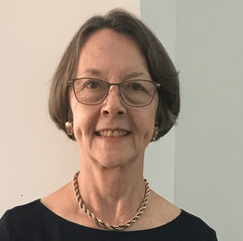
Linda Vigen Phillips is an award-winning author of two YA novels in verse, Crazy and Behind These Hands, and an adult poetry chapbook, Thoughts at Crossings. Her poems have appeared in numerous literary journals including The Texas Review, The California Quarterly, The Christian Century, The Clay Jar and more. She and her husband live in Savannah, GA.
Kavita Ezekiel Mendonca
Never-ending Journeys
The Bombay to Delhi train emerges
from the tunnel with perfect timing
Not in this place of no exit
Here in the depths of hell
I am buried in an endless tunnel of darkness
The candles are burning back home for me
My name is repeated at every meal
To keep me alive
My empty place at the table a reminder
of my painful absence.
Is there a light at the end of this tunnel?
Here in murkiness
I am like a beached whale
struggling to breathe.
I once knew the taste of fresh air
Now I taste the dampness of silent walls.
My cries unheard my prayers unanswered
Is God listening?
The donkey cart is piled high
With my meager possessions
He’s as sad and afraid as I am
At home we sat around making *taboon
Singing songs and playing games
I left some of my family
under the piles of rubble
I need to go home to pull them out
Does anyone know my street?
*Taboon: Traditional Palestinian flat bread
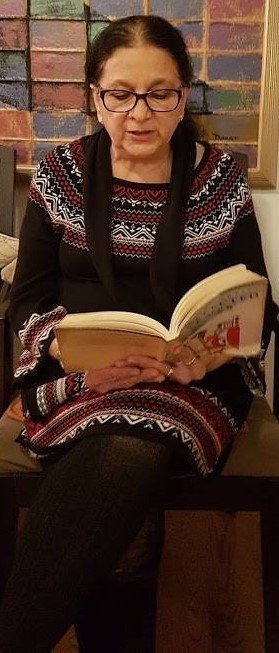
Kavita Ezekiel Mendonca is a published poet with two collections of poetry ‘Family Sunday and other Poems, ‘Light of The Sabbath’ and a memoir ‘Nissim Ezekiel Poet & Father.’ She has taught English French and Spanish in private schools in India and Canada.
John Davis
States Rights
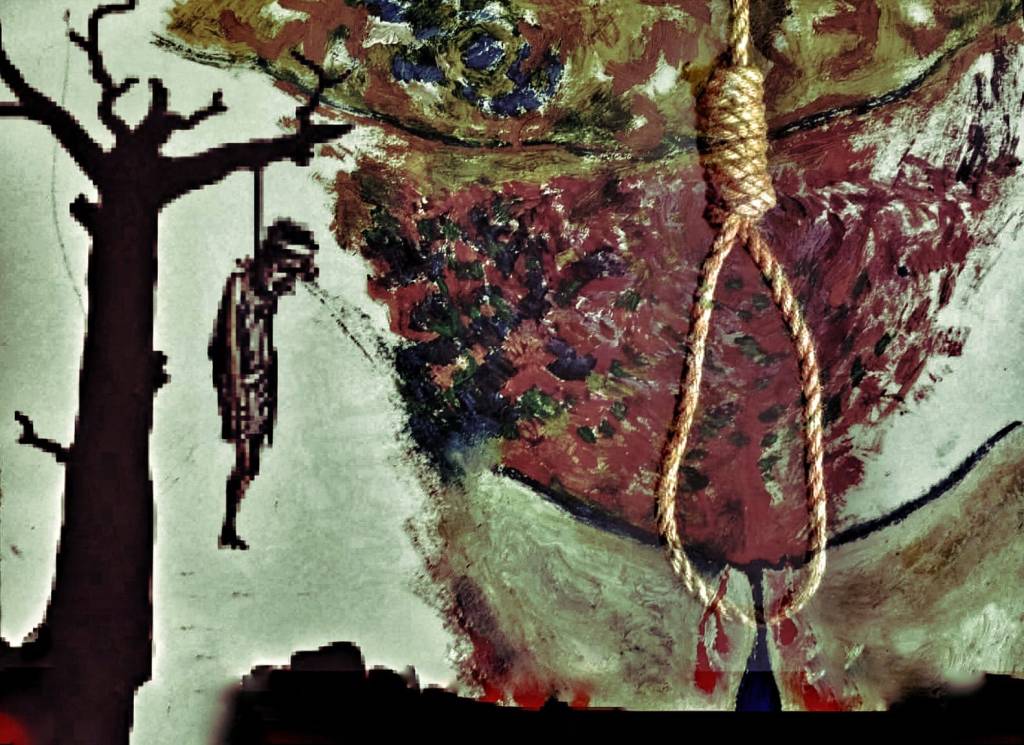
Legislators in my neighboring state love
their children and feel fine to erase
voting rights from constituents
who don’t vote for them, using smiles
and often wearing neckties to erase
names where addresses might be a stain
on the chances for reelection.
They do it with neckties knotted
as if the silk threads wrap around
a lynching tree, dangle democracy,
watch the legs kick. They knot the noose
good and tight the way they once
knotted at night with white hoods,
but no need now for night when they
can strangle inside all day
and love their wives, erase
the stain which is a way their state
can maintain the knot, smile, love
their pure-bred dogs, give erasers
as Christmas presents to nieces
and nephews for the good of the state,
for the right to keep clean, to knot
a Windsor or half-Windsor knot
or a bow tie clean and precise.
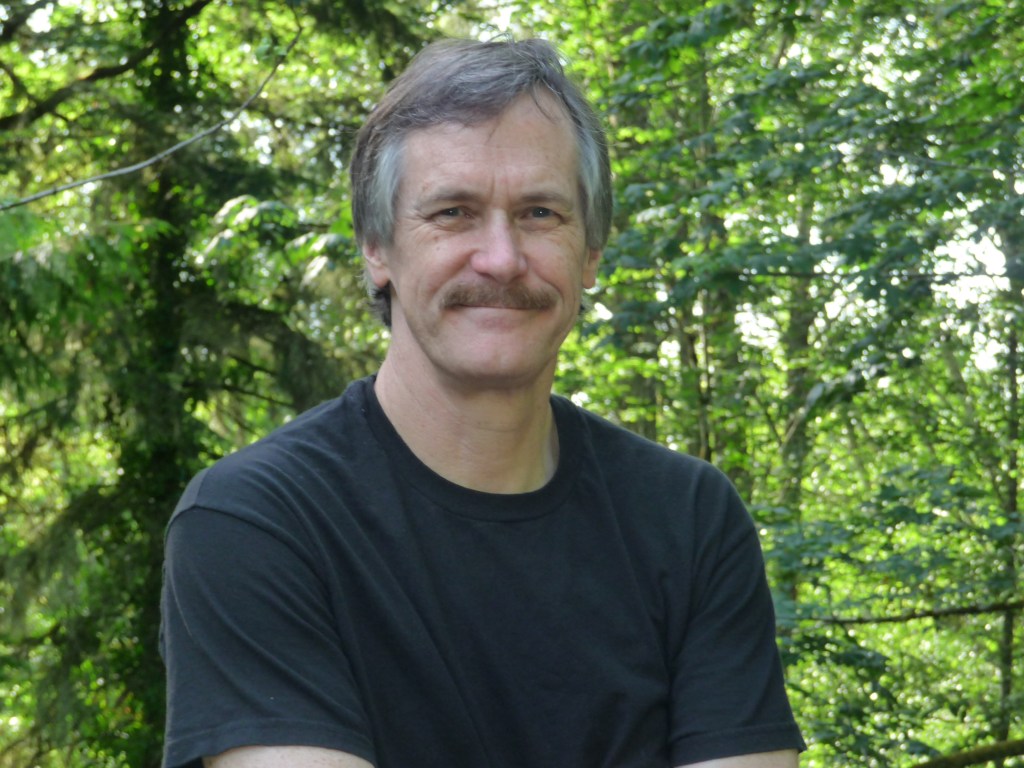
John Davis is the author of Gigs, Guard the Dead and The Reservist. His work has appeared in DMQ Review, Iron Horse Literary Review and Terrain.org. He lives on an island in the Salish Sea and performs in several bands.
M. Benjamin Thorne
Al-Shifa
The ambulance arrives,
an old man wailing, carrying
his wounded niece.
They take up floor-space
next to a mother bent
on worried knees hugging
a son whose only arm
weakly hugs her back.
Just outside there are explosions.
Nobody even shrugs.
Death is a regular presence here.
He is one of many guests,
always arriving early.
Other guests will wear
his likeness soon enough.
Here at the hospital, limping
along on generators like iron lungs,
there is only the tally of bodies;
where vital viscera, when held within,
becomes once out ephemera
to be mopped up for new guests.
Nir OZ
The ambulance arrives,
an old man wailing, carrying
his wounded niece.
They take up floor-space
next to a mother bent
on worried knees hugging
a son whose only arm
weakly hugs her back.
Just outside there are explosions.
Nobody even shrugs.
Death is a regular presence here.
He is one of many guests,
always arriving early.
Other guests will wear
his likeness soon enough.
Here at the hospital, limping
along on generators like iron lungs,
there is only the tally of bodies;
where vital viscera, when held within,
becomes once out ephemera
to be mopped up for new guests.
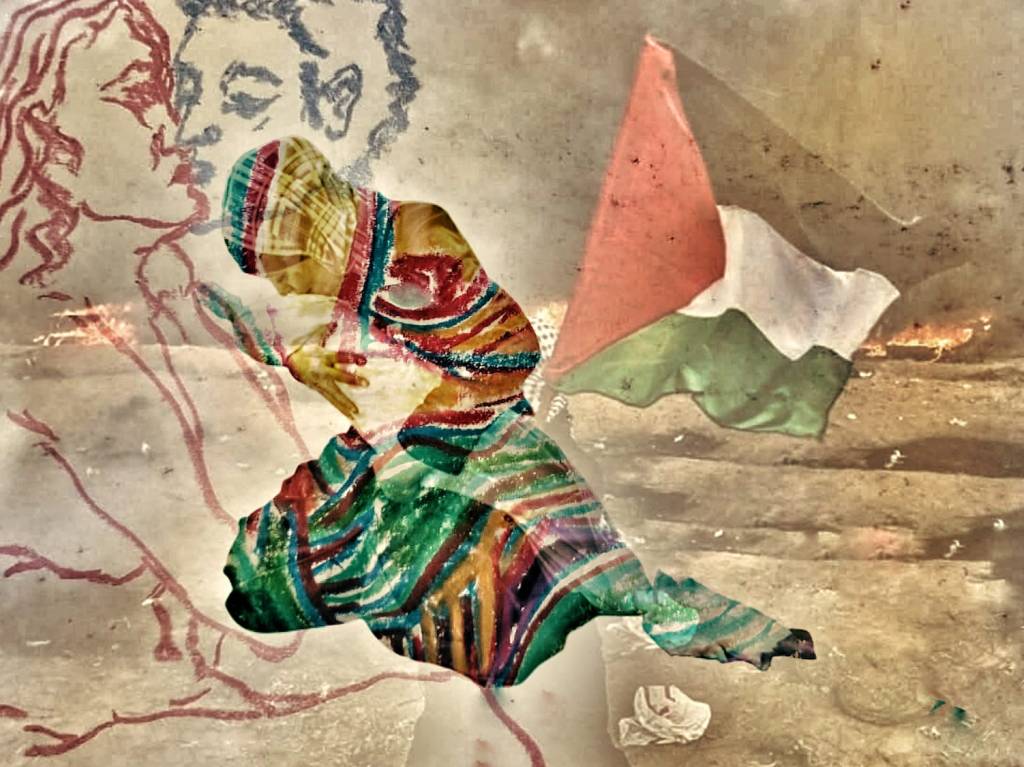
**** Poet’s Note: As you will quickly observe, “Al-Shifa” and “Nir Oz” are, in fact, the same poem with different titles. This is quite intentional. I trust the locations referenced by the titles are well-known, and thus you may already surmise my intent, but for the sake of clarity, what I hope to accomplish with these pieces is to show how, in the universe of private suffering, we are all equal citizens–the loss of a loved one hurts us all equally regardless of race, ethnicity, or creed. he point is not to draw an equivalency between the pain of October 7th, and the destruction of Gaza. Rather, to force the reader to see past these issues, and consider seeing the conflict from the lense of private suffering, to highlight that at this level we are the same, and hopefully from that starting point facilitate dialogue.
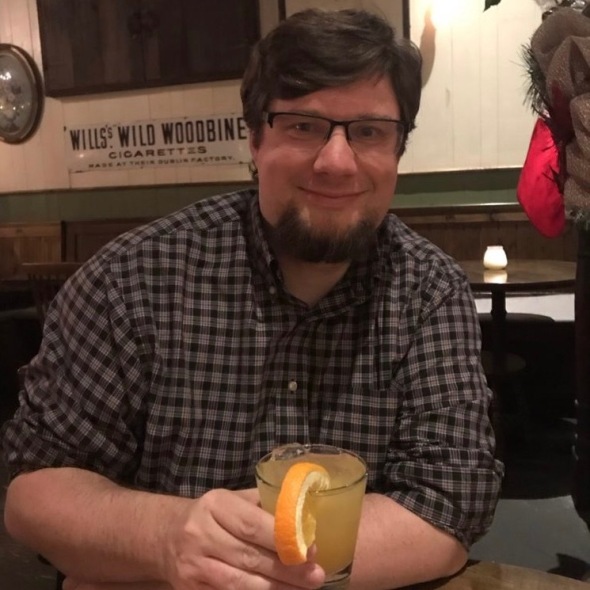
M. Benjamin Thorne is an Associate Professor of Modern European History at Wingate University. His poems appear or are forthcoming in a number of print and online journals. He lives and sometimes sleeps in Charlotte, NC.
Featured Artist: Shiwangi Singh
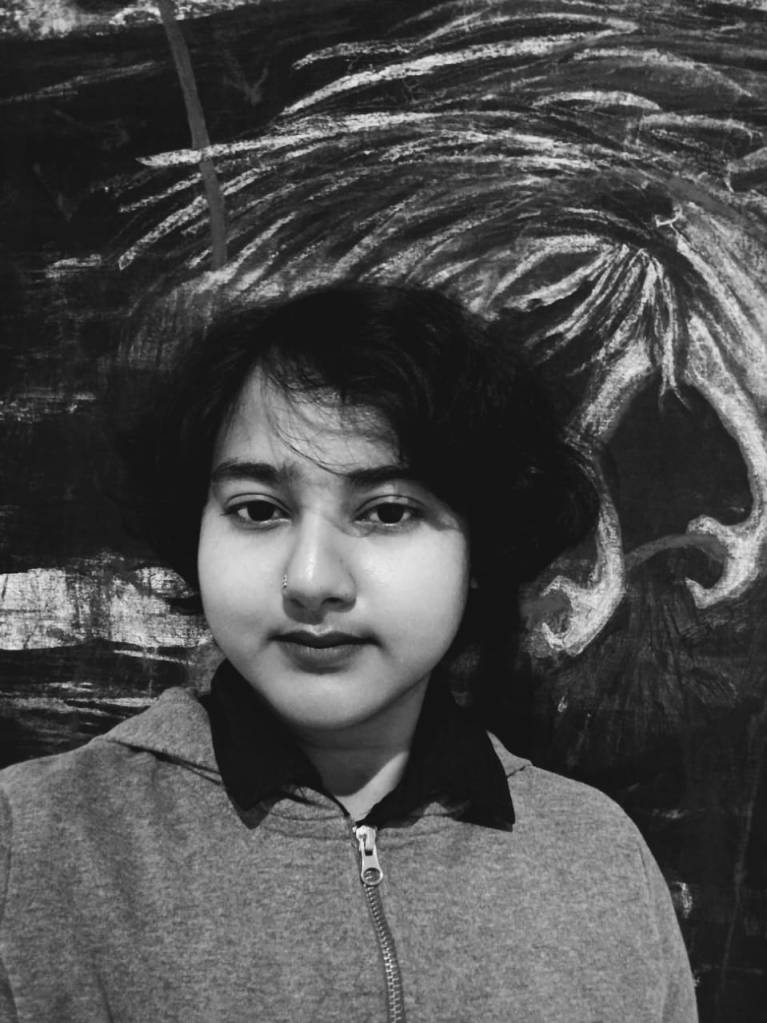
Shiwangi Singh is a student of History, she completed her Graduation and Post-graduation from Presidency University, Kolkata. She is an independent researcher, and a freelance self-taught artist as well and is connected with numerous Little Magazine publications and has worked on numerous book covers.
 Parcham Online
Leave a comment