
South spectacles in the Modi era (and what authoritarianism has to do with it)
Dr. Susmita Dasgupta
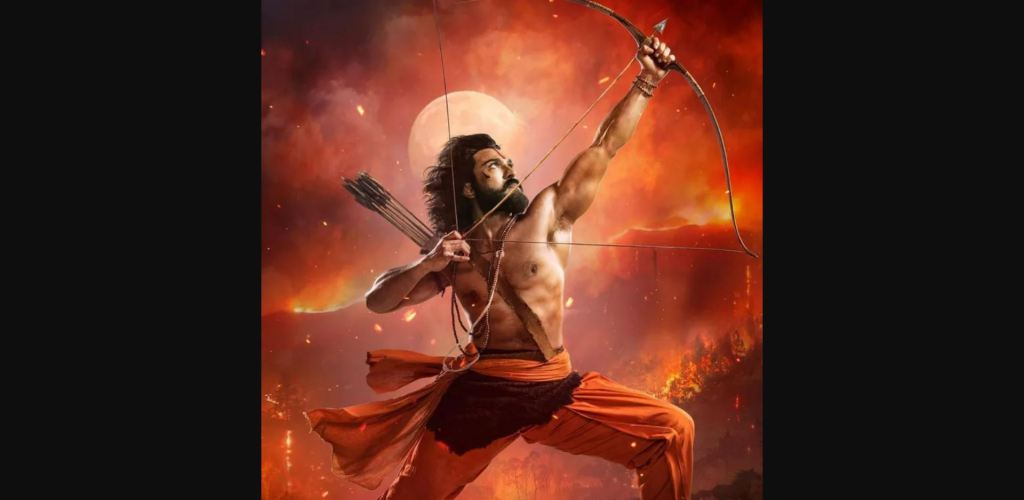
The box-office success of Southern cinema, predominantly Telugu, Kannada and Tamil spectacles, and its simultaneous release in various Indian languages, including Hindi, has Bollywood fuming. Long hailed as India’s national cinema, though made in Hindi, Bollywood glowed also in its international acceptance as the authentic expression of Indian popular culture. Whenever the Southern films made it big, Bollywood would appropriate these and remake them with their own stars speaking in Hindi.
But now, not only has Southern cinema displaced Bollywood by gaining all-India popularity, but by getting dubbed in Hindi and other vernacular languages, threatens to become the icon of Indian national culture. Stars such as Ajay Devgn and Akshay Kumar, whose recent films Runway 34 and Samrat Prithviraj have flopped, seem to be the worst-hit in the job market due to the rise of the South.
Since the humongous success of SS Rajamouli’s Telugu-language Baahubali films (2015-2017), reportedly earning more than ₹ 2,400 crore globally, Southern spectacles have steadily done well in theatres across India, including the Hindi belt. The highest-earning Hindi films of 2022 are, in fact, dubbed versions of RRR and KGF 2, originally made in Telugu and Kannada respectively
Spectacle stands tall — but why now?
Southern cinema’s triumph is the triumph of the spectacle. With the relentless and overpowering success of American superhero cinema at the cost of diminishing returns from mid-budget and independent releases, spectacles appear to have taken over the Western mind as well.
The Hindi film industry which has long dwelled on the individual, their autonomy and creative agency, their compromises with the social system and overcoming its constraints made sense only under politics that encouraged the development of the individual. The politics of liberalism appears to have helped the case of Bollywood. Now, authoritarian regimes seem to have a connection with the rise of the spectacle in cinema.
According to György Lukács, the Epic, which resembles most closely the spectacle, is a set of permanent orders; man needs to only search what is already there, unchallenged, unaltered. The Novel, on the other hand, is man’s search for himself as he looks for what is there to know rather than what should be believed. (Please read the masculine gender as gender-neutral, as Lukács had originally written).
The flip of tastes from cinema portraying human agency to human submission in awe of the spectacle is thus a need to return to the epics. ‘Jai Shri Ram’ is a political manifestation of this search as the search for spectacle in cinema is its aesthetic manifestation. The foundation of modernity on liberal politics and entrepreneurial capitalism invokes the creative, rational, critical, reflective, and creative individual who was seen in Bollywood cinema in the form of its stars. The return to the passive surrender to the spectacle is the surrender of human agency and creativity to forces which are far too overwhelming for her.
This reversal seems to be the larger contradiction of capital where forces of late capitalism through technology, organisation of production and the resultant superstructure of politics and culture curb human autonomy reducing her to a state of being overwhelmed where she seeks the spectacle. With the above-mentioned formulae, that cinema will also leave behind its novel form to adhere to the epic form should not be too surprising.
The all-Hindu spectacle comes from the South
One must watch the 1933 film Marthanda Varma to understand the role of the spectacle in the creation of a “nation”.
Linguist Suniti Kumar Chattopadhyay identifies that the Puranas originated in Dravidian rather than Aryan culture, a fact which makes the idolatry so evident in the cinema from the South understandable. South India has a long history of being ruled by kingdoms safely tucked away from the Empire in North India. Their kings and kingdoms have looked for the integration of diversities of beliefs and faiths, of icons and symbols, of people and livelihoods and of even different nationalities.
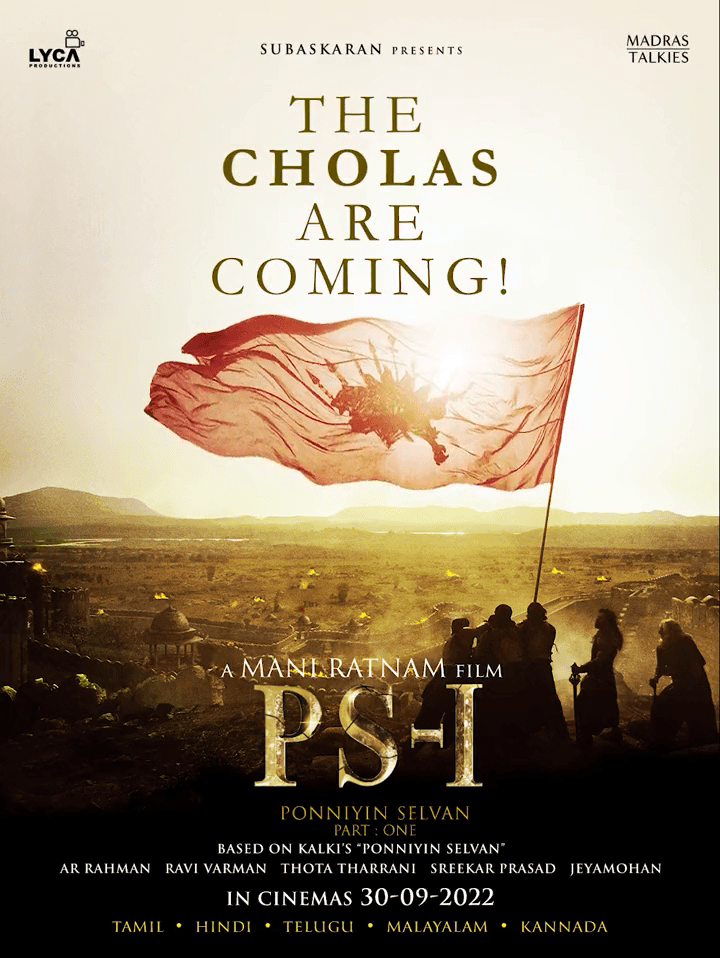
The arts and architecture of the Pallavas, the Cholas and Pandyas are points in the case. (In fact, popular and acclaimed Tamil filmmaker Mani Ratnam is bringing the Chola empire to life in his upcoming high-budget film Ponniyin Selvan, an adaptation of Kalki Krishnamurthy’s novel. Mani Ratnam is the the latest director from the South to have jumped on the spectacle wagon). It is because of the constant need for mingling of people who would otherwise not have met, the palpability of cultural symbols somehow conveys a sense of an authority.
The South looked towards powerful figures, gods, kings, and later, once Dravidian politics emerged in Tamil Nandu since the 1930s, political leaders as powerful individuals, or idols who could and would protect them from a larger world.
The politics of Hindutva like all authoritarian politics emanates out of social jealousy and envy. Interpersonal relations are founded upon conflicts, public sphere is based on the divisiveness of identities and narcissism of self-opinionated individuals.
Under such circumstances, authority imposed from above might help hold communities, societies and even nations together. . Southern cinema has long dwelled upon the spectacle to hold society together under powerful kings or gods or film stars or social leaders. The imposing visuals, fast movements, loud acoustics and bold colours of Southern spectacles help create a sense of sturdiness.
Now the North, bored by the emptiness in its own cinema, has discovered it too. The rise of Hindutva politics in its search for heroes among political leaders is a return of idolatry. As such, the search for spectacles and the permanence of epics will follow. That the spectacle would resurge in cinema should have been expected.

Dr. Susmita Dasgupta is a retired policy economist and practising sociologist. She is the author of Amitabh The Making of A Superstar, Amitabh Bachchan: Reflections on an Image, and Economics of the Indian Steel Industry.


 Parcham Online
Leave a comment