Women-Nature Nexus: Ecology and its Feminist Undertones
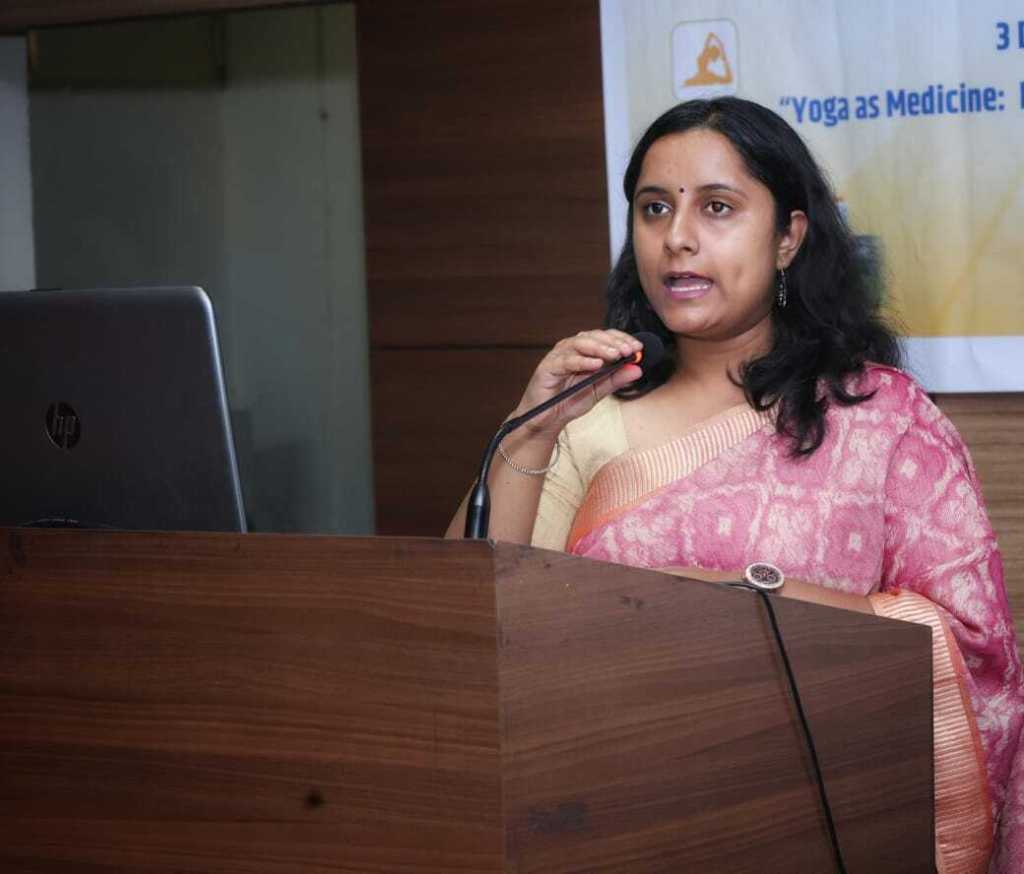
Guest Editor: Aditee Sharma
Concept Note
Long before the emergence of environmentalism as a movement and a social thought, there were women who stood for it amid life and loss. This call emerges from those stories that refuse to remain buried in the archives. It is an invitation to revisit the intimate yet spiritual bond between women and nature—a bond of compassion and care—of resistance and conservation.
In the early 18th century, Amrita Devi Bishnoi of Jodhpur who stepped forward without weapons or petitions, with an unyielding love for life itself. Along with 363 Bishnoi women, she embraced the trees, knowing that the cost of protection would be her own life. This was not just a protest; it was a philosophy lived through life and loss, upholding that human life is inseparable from the life of nature, that the human and the “more-than-human” breathe within the same moral universe. Long before the Chipko Andolan during the British Era, her body became the first embrace, and her death became the earliest evidence of ecological feminism in the Indian subcontinent.
This living history of ecological consciousness that women bring, extends across the myths and folklore. In the Sundarbans, Bon Bibi, the protector of forests and tides, embodies an ecology of balance and coexistence. Mansa Devi, worshipped as the serpent Goddess, reminds us of fear transformed into veneration. In the Ramayana, Sita is born of the earth and returns to it; she becomes a powerful ecofeminist figure whose dignity finds refuge in nature when society fails her. Beyond Indic traditions, Islam’s concept of Khalifah envisions humans as ethical stewards of the Earth, and Christian eco-theology frames creation as sacred kinship, affirming restraint and responsibility as ecological ethics.
Ecofeminist thought has been shaped by literature across genres. The earliest traces appear in William Wordsworth’s poem ‘Nutting,’ which recounts the story of a boy who ruins a garden and later asks his sister to rebuild it again. However, Rachel Carson’s Silent Spring exposes the violent consequences of pesticide use, revealing how scientific progress often ignores ecological and bodily harm, particularly on women. In contemporary times, Amitav Ghosh’s works critique the cultural silences around climate crisis, displacement, and ecological injustice done to women and indigenous communities.
Today, alongside the whole world, India is grappling with worsening air quality, water stress, extreme weather, and climate vulnerability. This moment calls upon women to step forward once more, continuing a legacy of ecofeminist leadership forged by figures such as Françoise d’Eaubonne and Rachel Carson, where care becomes resistance and survival a shared responsibility.
This call is strongly informed by ecofeminist consciousness, which argues that the domination of women and nature is the product of the patriarchal logic of oppression. Thinkers such as Vandana Shiva, Maria Mies, Anne Mellor, Bina Aggarwal and Ariel Salleh have articulated how women’s traditional knowledge, caregiving roles and ritualistic practices offer an alternative model of conservation, rooted not in the destructive force of oppression but a logic that is life-affirming.
We invite submissions that:
- Explore ecofeminism, engaging intersections of gender, caste, class, labour, faith, and ecology
- Centre women’s, queer, indigenous, Dalit, Adivasi, and marginalized voices
- Draw from myth, ritual, memory, resistance, and lived experience
- Respond to contemporary ecological crises through creative and critical lenses
Submission Categories
- Poetry that listens to both the silencing and celebration of women and nature.
- Short Stories in English and in English Translation, Creative Non-Fiction, Editorials, and memoirs engaging myth, ecology, and everyday survival.
- Photographs capturing landscapes, rituals, environmental movements, and acts of care.
We seek the works that are half personal, half political, half rooted, half radical—pieces that recognize the environment not as a resource but a relative.
We invite previously unpublished Poems, original Short Stories (In English), translations of Short Stories, Non-Fiction pieces, Editorials on the above theme for our March 2026 Issue.
Articles on Films and Popular Culture are welcome on themes of the contributor’s choice. We are keeping the thematic concern flexible only for this section.
Send in your submissions for the March 2026 Issue by the 5th of March 2026 to parchamonline@gmail.com. Please follow the guidelines below and in case of any queries please write to parchamonline@gmail.com or WhatsApp 6289935412.
Submission Guidelines
Poetry: Please send in your previously unpublished poems (not more than 3) in a single MS Word document to the email id mentioned above with the subject line Poetry Submission- March 2026
For Fiction/ Short Stories (Originally in English and in translation): Please keep in mind that short stories should be no more than 4,000 words. Send in the short story to parchamonline@gmail.com with the subject line Short Story Submission- March 2026. The submissions should be in MS Word format. In case of a translation, the contributor should send in an Acknowledgment/No Objection from the original author so that we at Parcham know that the translation is being done to the knowledge of the author.
For Editorials/ Opinion Pieces/ Interviews and Book Reviews: For Editorials and Opinion Pieces, please ensure that your submissions are free from unparliamentary language or religious or cultural bigotry. The editors have complete authority to reject a piece if they feel that they are not upholding the spirit of the magazine. Please send in your submission with the Subject Line Editorials/Opinion Pieces-March 2026.
Book reviews should be no more than 1500 words. Send in your submissions to parchamonline@gmail.com with the subject line Book Reviews- March 2026.
Photo Stories: Please send in your photographs (not more than 7 and not less than 3) to parchamonline@gmail.com with the Subject Line– Photo Stories March 2026. . The photos must be accompanied by a short write up/ captions and should be in the Jpeg format.
For Articles on Films and Popular Culture: Please send us a short pitch before sending us the complete article to parchamonline@gmail.com the subject line Films and Popular Culture. We are hoping to look beyond run-of-the mill film reviews and delve more into the contact zone of films and society/culture in general. We’re particularly interested in articles on Non-Hindi and Independent cinema.
Copyright for articles, artwork and photographs published in this magazine shall rest with the authors, with first publication rights to Parcham. As the magazine follows an open access policy, articles or extracts from articles may be used by others, with proper attribution, for academic and non-commercial use. We reserve the right to publish the work in print in case we go for a print edition later.
Please send in a short bio (no more than 40 words) and a recent picture of you along with the submissions.
Note: If your submissions in any of the above-mentioned sections have found a place on our platform in the previous two issues, we request you to please wait for another cycle (One Issue at most) before submitting again.
AND PLEASE. No use of AI. We reserve the right to reject submissions if we feel the submission has relied on AI in any capacity.
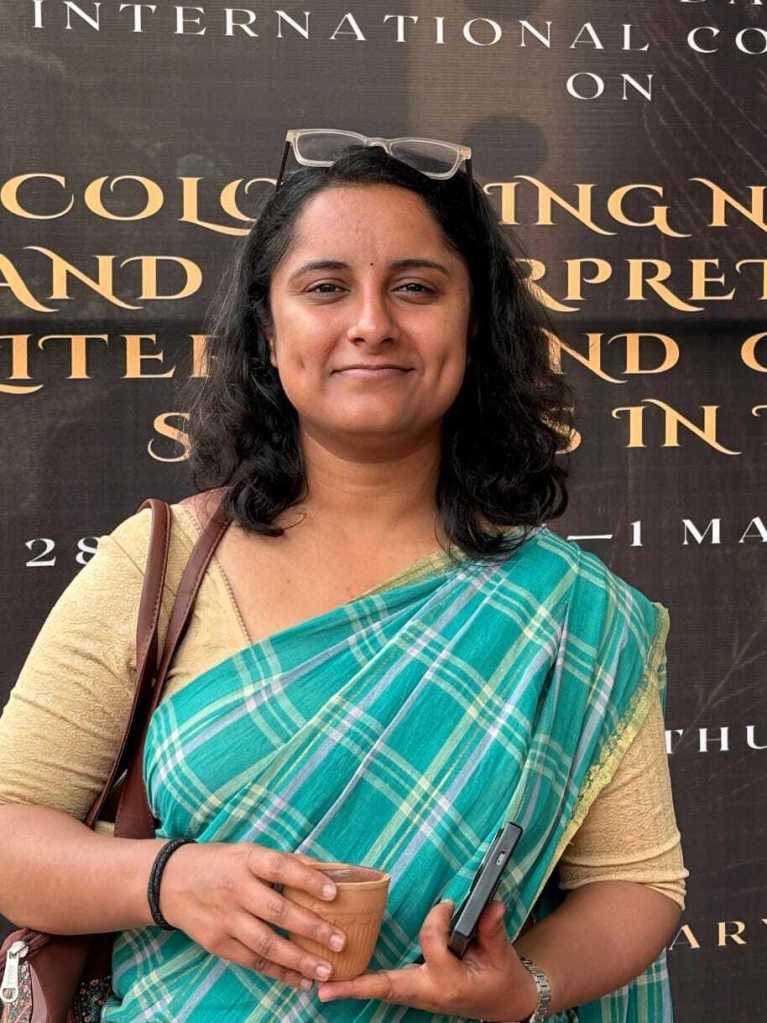
Dr Aditee Sharma is an Assistant Professor of English at Mahatma Gandhi University of Medical Sciences and Technology, Jaipur. A Gold Medalist in M.A. and M.Phil. from Banasthali Vidyapith, Rajasthan, her research focuses on Gender Studies, Ecofeminism, Postmodern and Postcolonial Feminism, and women’s rights. She is a founding member of the MGUMST Readers’ Retreat.
 Parcham Online
Leave a comment