- Ipsita Deb in Conversation with Kenani Aydin: Part II
- Photo Essay by Sampurna Bagchi
- Girlhood Homes: Sree
Ipsita Deb in Conversation with Kenani Aydin: Part II
IPSITA : Salam! Very happy to connect again, Aydin ! In our last issue we had a theme to follow. I am sure, this time, we can talk a lot about other ideas. Thank you for engaging in a friendly conversation.
AYDIN : That’s right, I also want to be friendly. I hope it’s a start. Maybe one day I will come to India.
IPSITA : Please do! I would be happy to show you around! Also, you would enjoy the diverse geographies and cultures here. So many subjects that would catch an observant photographer’s eyes.
AYDIN : Thank you very much, I know India is a very strange place, there is a lot of variety in every way. Thanks again.
IPSITA : That’s true. There are multiple Indias in India that an Indian even doesn’t know. Diversities, differences – geographical, cultural, political, ethnic, linguistic and what not. So many diversities that the cultural gap seems continental at times. Yeah, “strange” in that way. Yet, there’re pulses that strike universal. On that note, there’s something universal in human connections – bridging geographies – no?
AYDIN : My sense of closeness and respect for humans has diminished over time. I distance myself from humans, except for a handful of them. My understanding of creation and existence is not limited to the human species and human issues. In my view, the world is defined by all living things and the creatures of the ecosystem and its nature.
The invasion and encroachment on the privacy of other animal species and their habitats under various pretexts that selfishly manipulate even the genetics of animals and will leave unfortunate consequences for future generations. It reduces my respect for humans. The dominant vision of human religions and ideologies has made people accept the false belief that all creation is for humans and is intended to serve humans. Humans, under the pretext of this assumption, encroach more and more on the privacy of nature and other living things every day. They want more and by increasing their population and destroying the ecosystem, they are destroying the planet.
IPSITA : Touché! This speaks to me. As a street photographer, do you find yourself documenting this tension between the human-made and the natural? I would be curious to hear about any specific projects dwelling on this idea.
AYDIN : Not exactly as a documentarian. Sometimes it is like finding myself disconnected from people and taking refuge in nature.

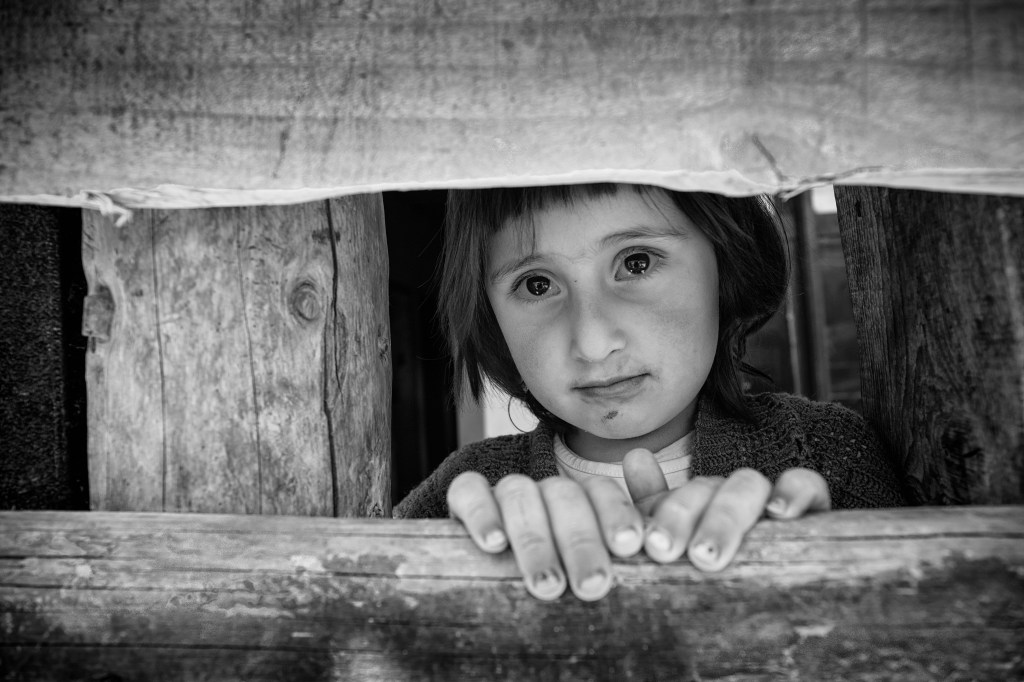
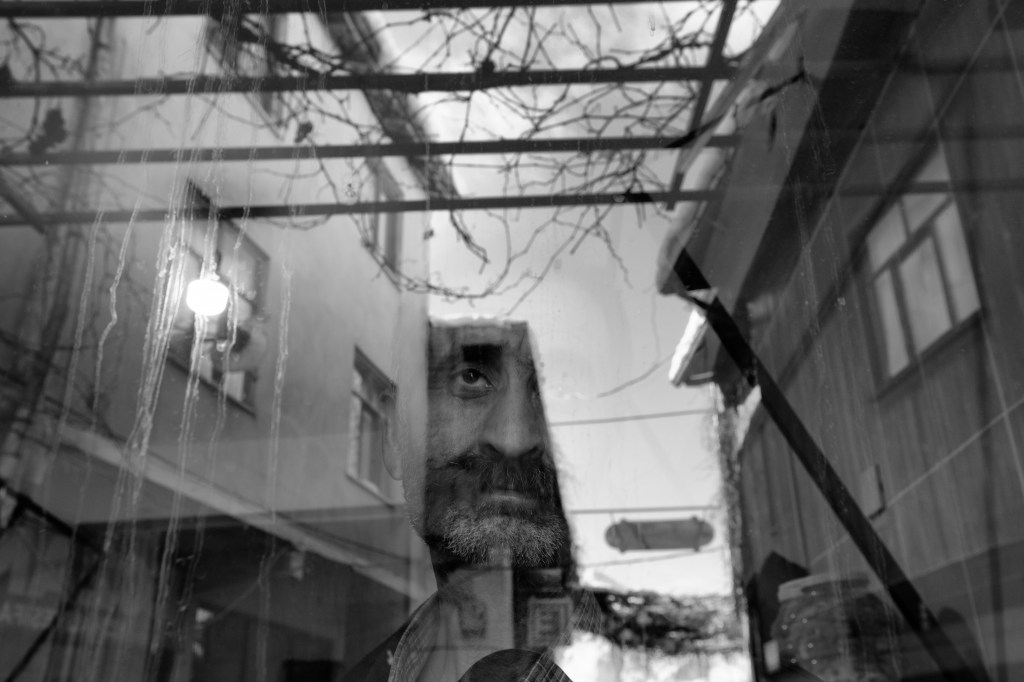
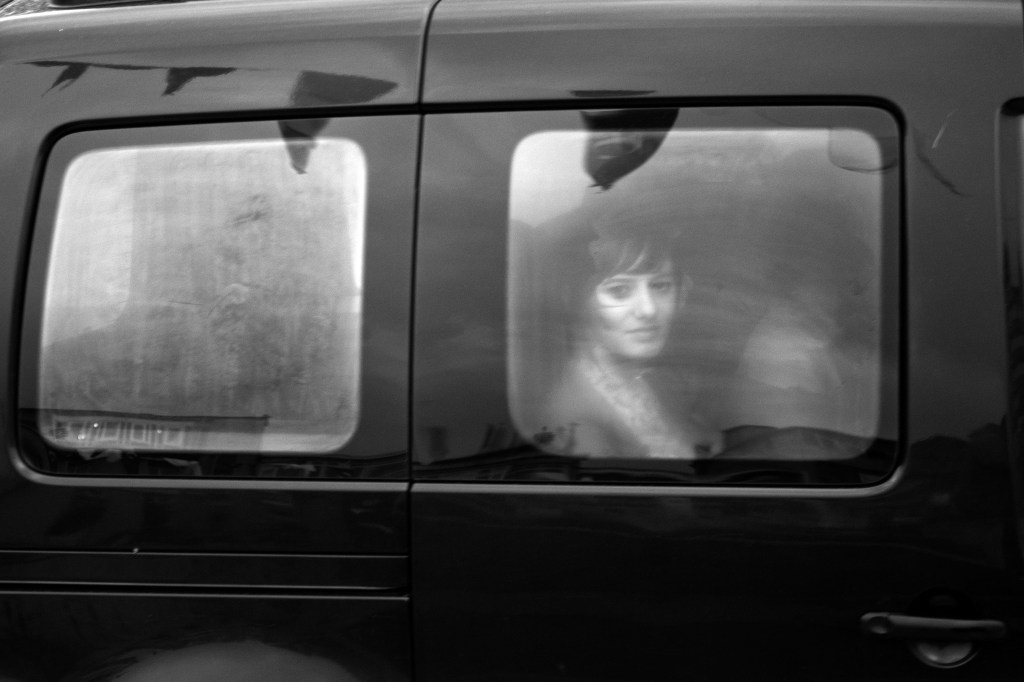
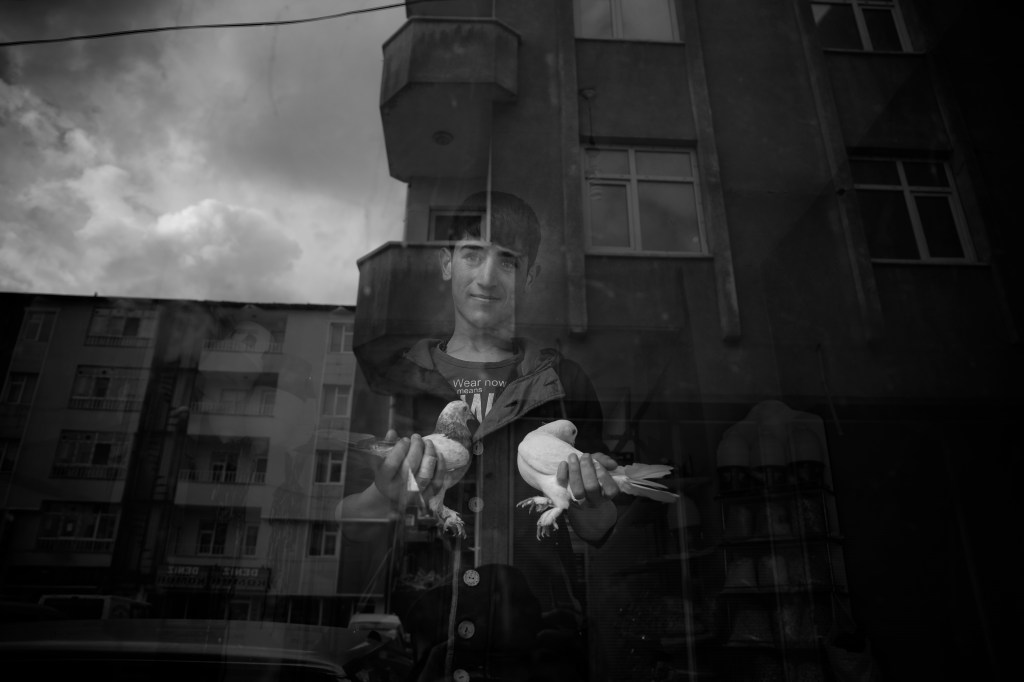
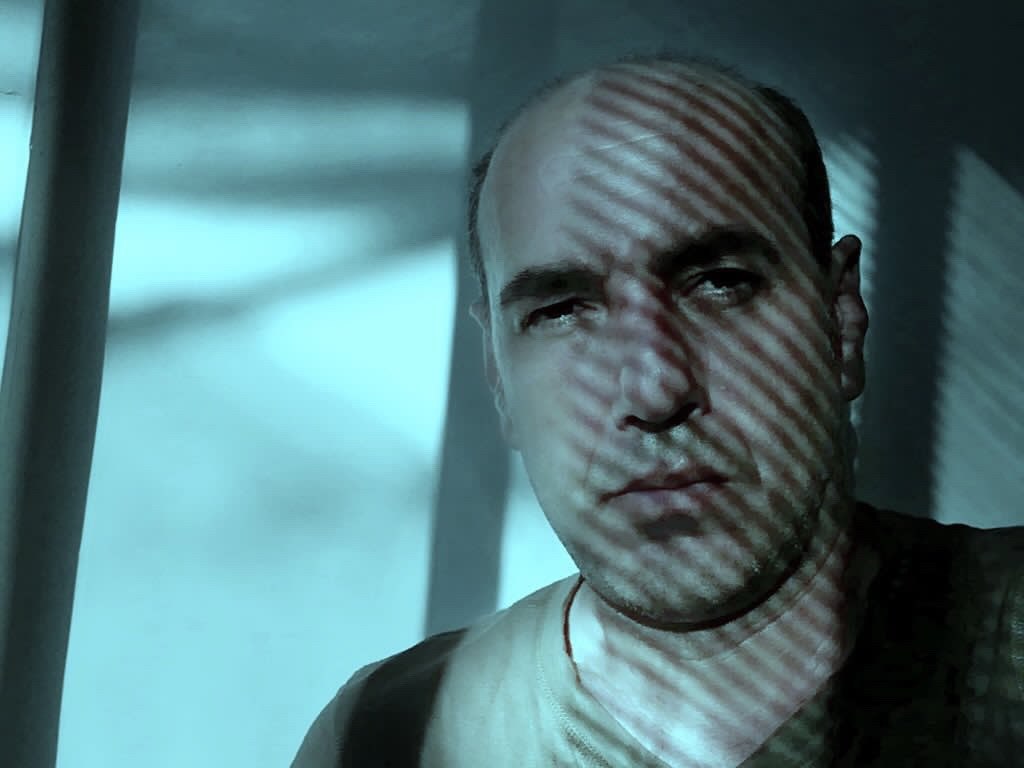
IPSITA : You mentioned distancing yourself from humans except for a few. Yet your photographs, especially of children [the two portraits through the windows are very moving], capture such intimate moments. I’m very curious and amazed to find photographers keeping this balance. Maintaining an emotional distance while capturing such intimate moments – curious!
AYDIN : It may not necessarily be sincere. Because children are children, they see the innocence they thought their past held in the eyes of adults. And this leads them to be overly emotional. No matter how innocent children are, they will destroy nature when they grow up; that’s inevitable.
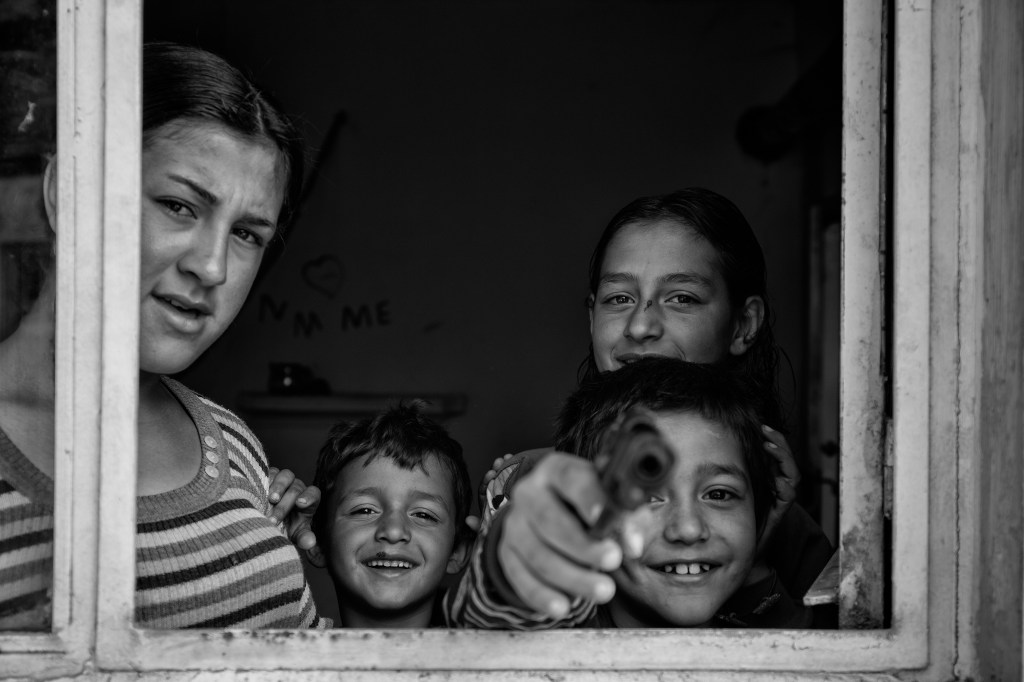
IPSITA : On the same note, I can’t help mentioning and also asking this : These two photographs have this unblemished joy, and at the same time, a certain melancholy in them. I’m curious to find how one who distances them from humans can capture such intimate connections.
AYDIN : The truth is, I don’t know either. Life is lived at random. These are empty meanings and absurd ornaments. Sincerity. Love. Humanity…
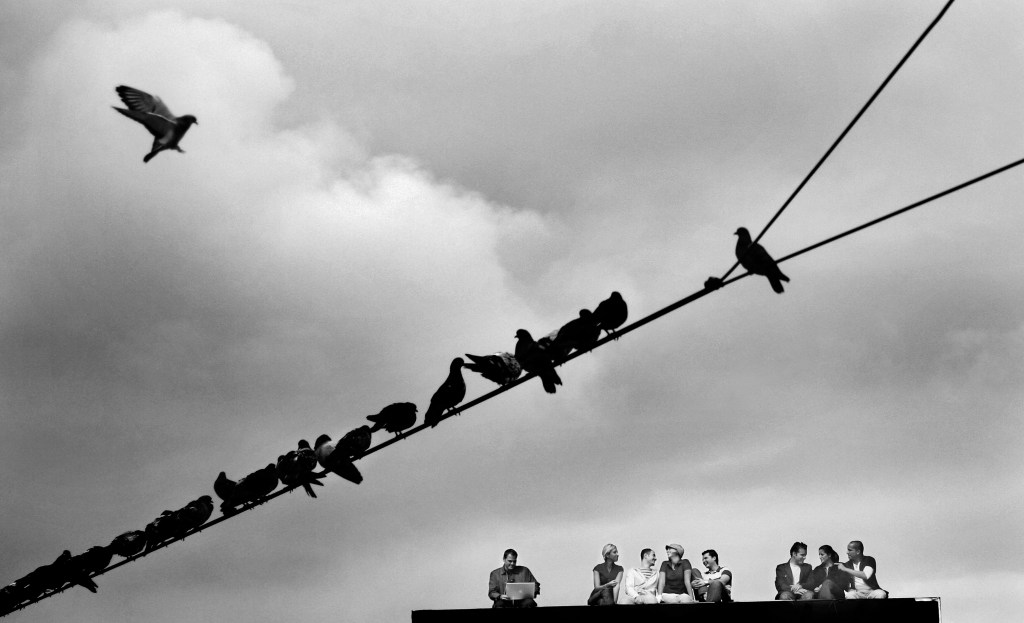
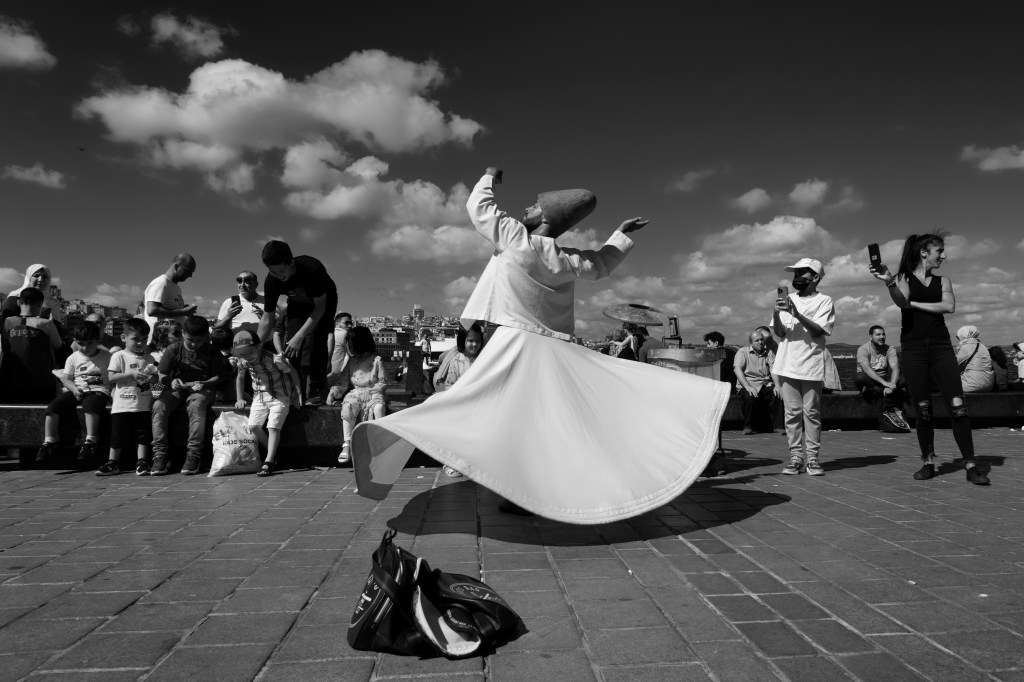
IPSITA : I have to mention another – I’m moved by this stark contrast between the Sufi dervish in spiritual ecstasy and the people around absorbed in their phones. What a juxtaposition! Was it intentional? Seems to speak to what you reflected on modernity and changing human lives.
AYDIN : That dervish is putting on a show for money, and his real life is very different. But those who are preoccupied with their phones are more loyal and sincere. We are mistaken in such situations. We only see the surface, but the truth lies deep within.
IPSITA : Okay, now something more technical. Your monochromes seem to strip away the distractions and get to the essence of the moment. The sunny summers would give tremendous contrasts, I believe. Why not colours?
AYDIN : My life is colorless. Reality is colorless. And colors are actually misleading. Besides, color photography is very difficult. I can’t do it.
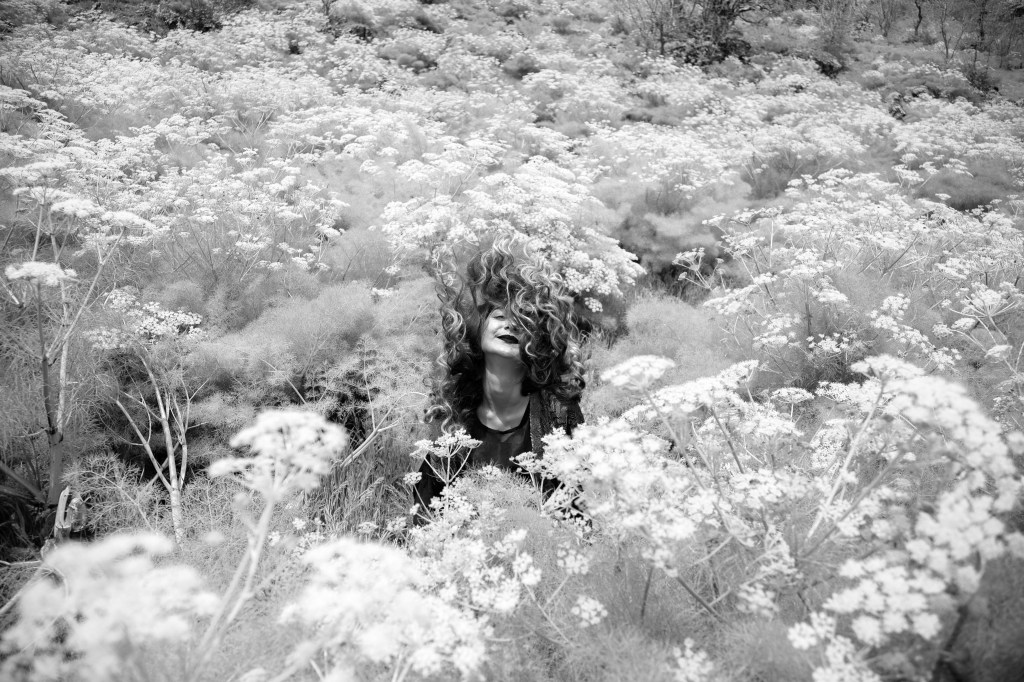
IPSITA : There’s something very universal in these images – children’s expressions, spiritual seeking, modern technology – that transcends the specific location. In Tabriz’s old architecture, windows and doors often tell their own stories. Thank you for this heart-felt conversation.
AYDIN : Everything is limited. Everything is doomed to be forgotten. Nothing lasts forever. And that’s why life is a big lie and nonsense.
Kenani Aydin was born in Tabriz
in 1974. He is an Azerbaijani Iranian photographer. His interests are street photography
and social lives. He can be reached at
kenaniaydin1@gmail.com .
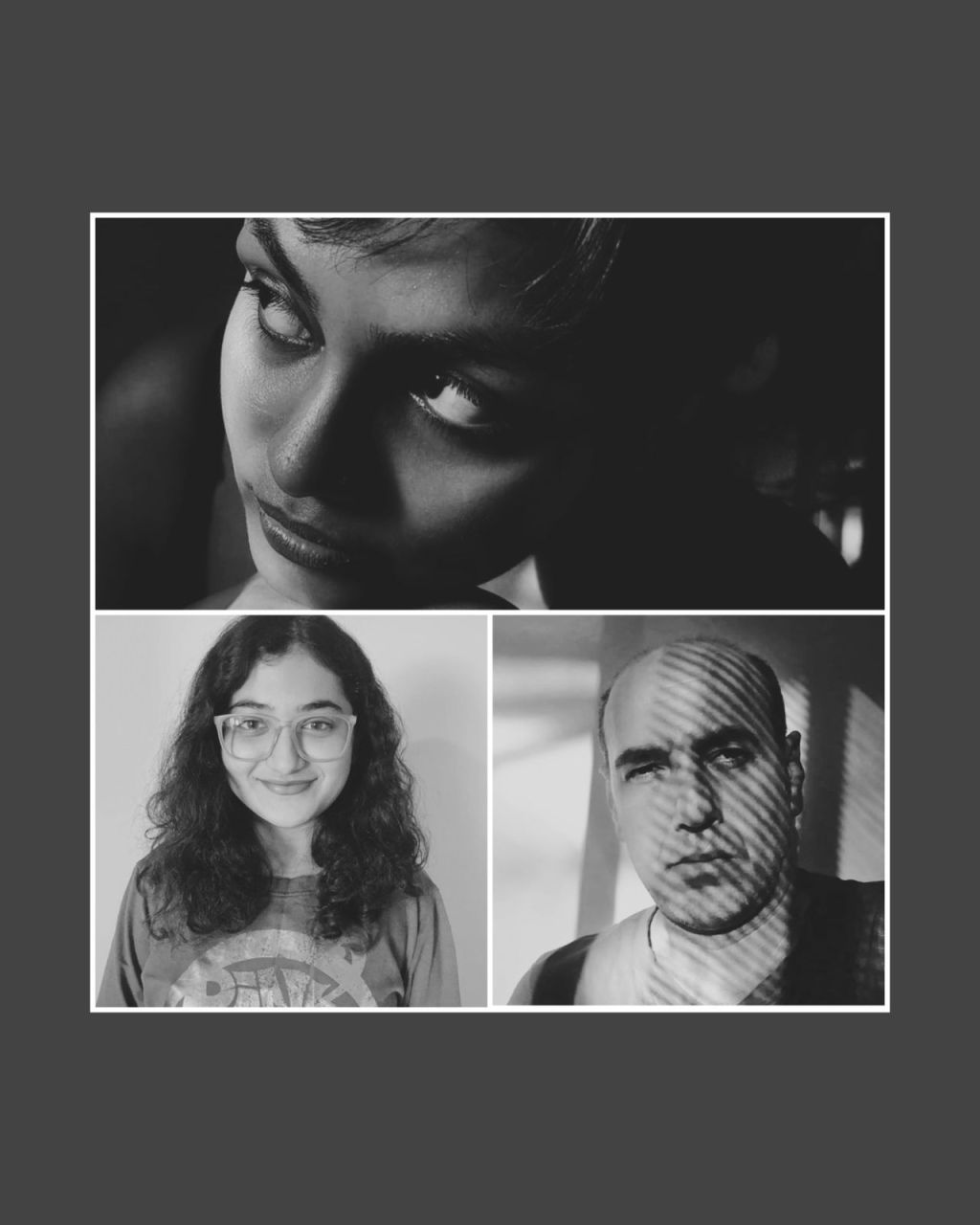
Photo Essay by Sampurna Bagchi
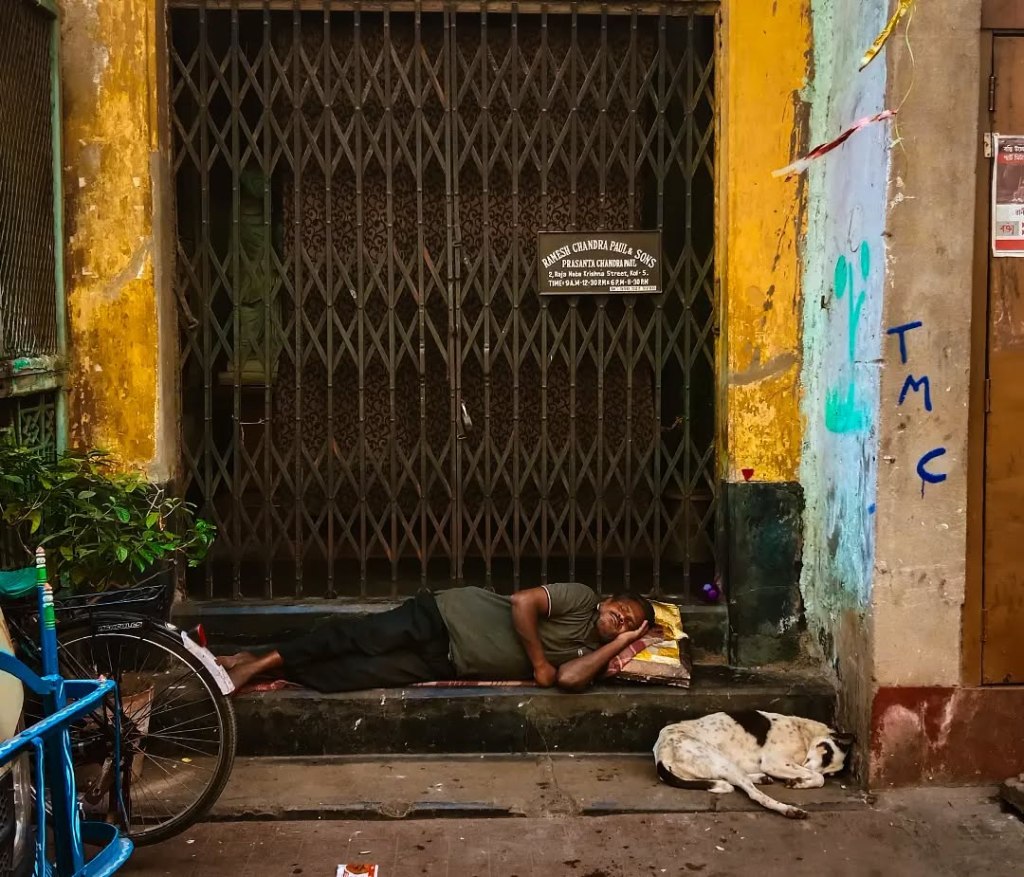
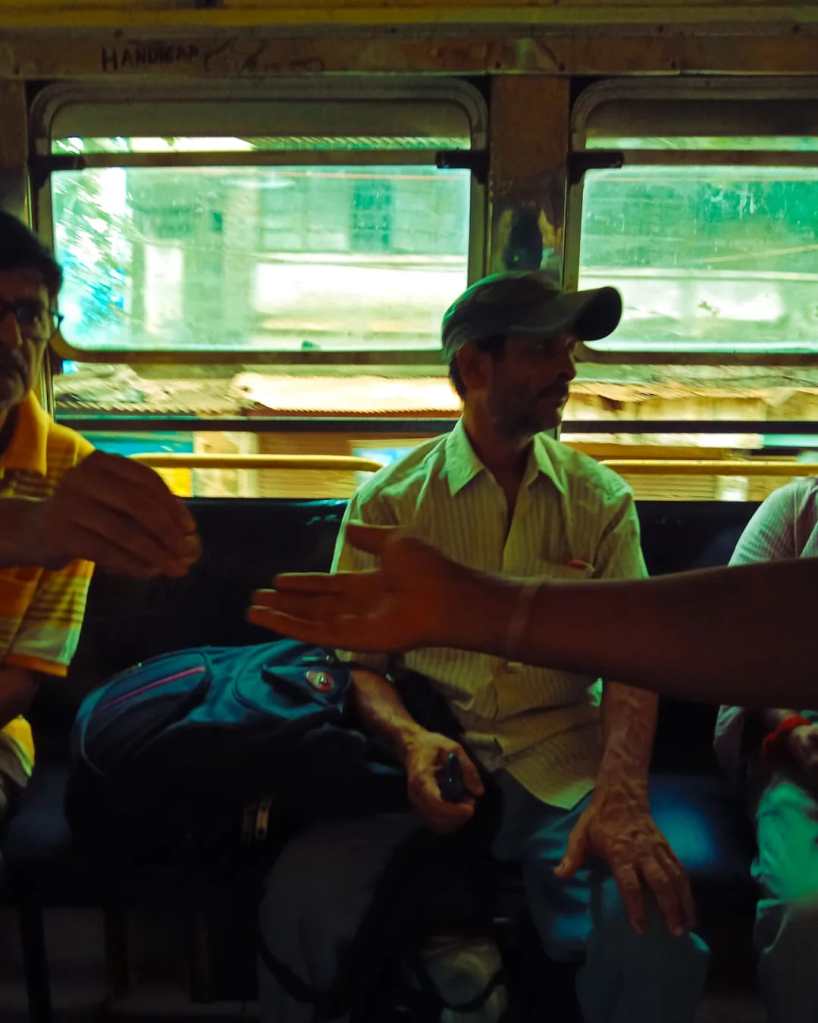
Taking photographs of humans has always been the most intriguing experience for me. As Eliot wrote, “There will be time, there will be time/ To prepare a face to meet the faces that you meet.” – but for me, the act of capturing people begins before those prepared faces ever appear. In those fleeting moments of raw vulnerability, I found the threads that let me weave an extended yet very intimate “behind-the-scenes” life.


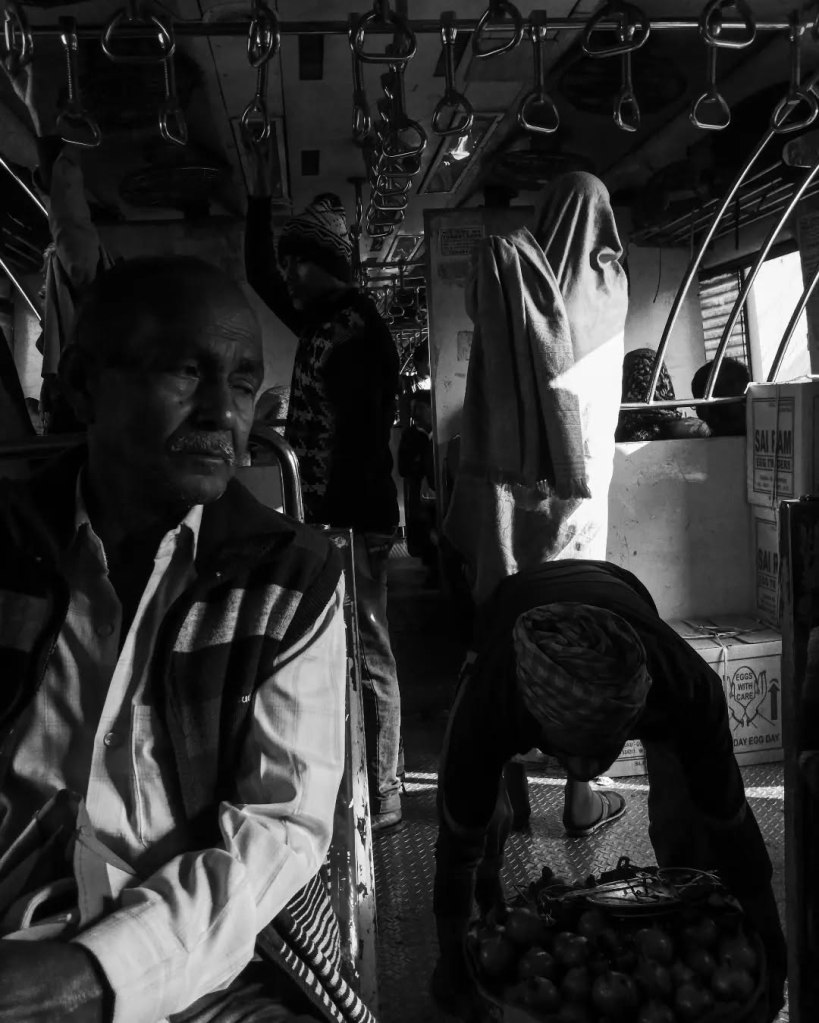
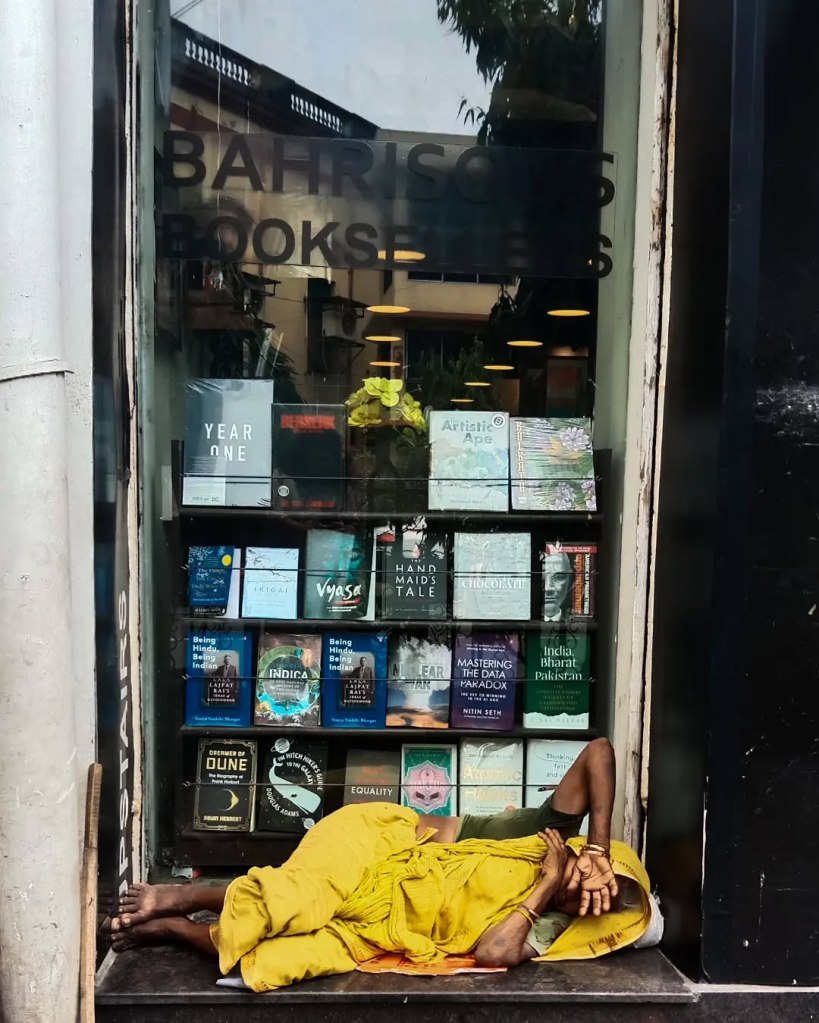

Sampurna Bagchi is pursuing her postgraduate studies in English literature at the University of Calcutta. She chases stories through both words and light. Her photographs lean into stillness, fleeting gestures, and the poetry of ordinary spaces. The camera is a way of noticing deeply and staying honest, as she likes to define it. These images precisely reflect that search.
 Parcham Online
Leave a comment