Where one “walks, runs, crawls, sits, rides, flies, and falls.” In Conversation with Latvian Filmmaker Laila Pakalnina
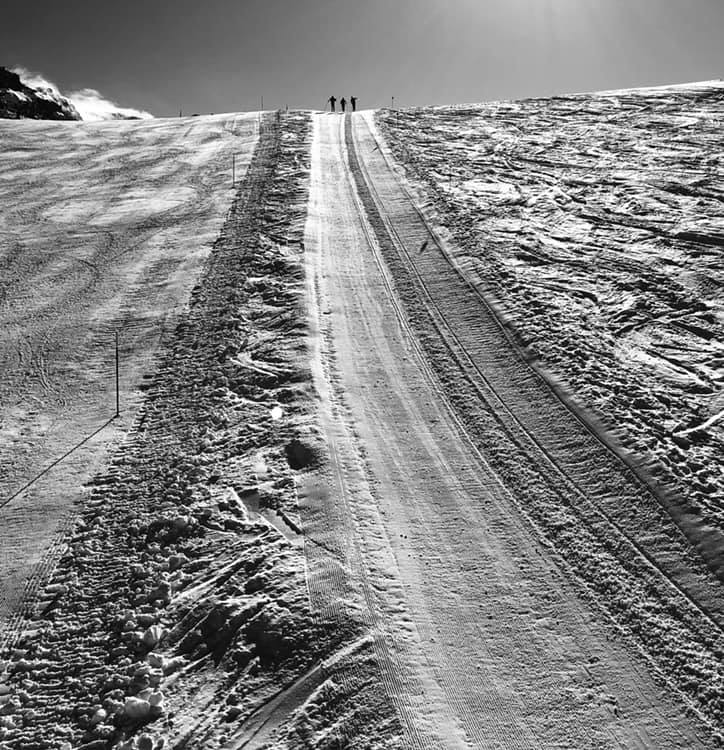
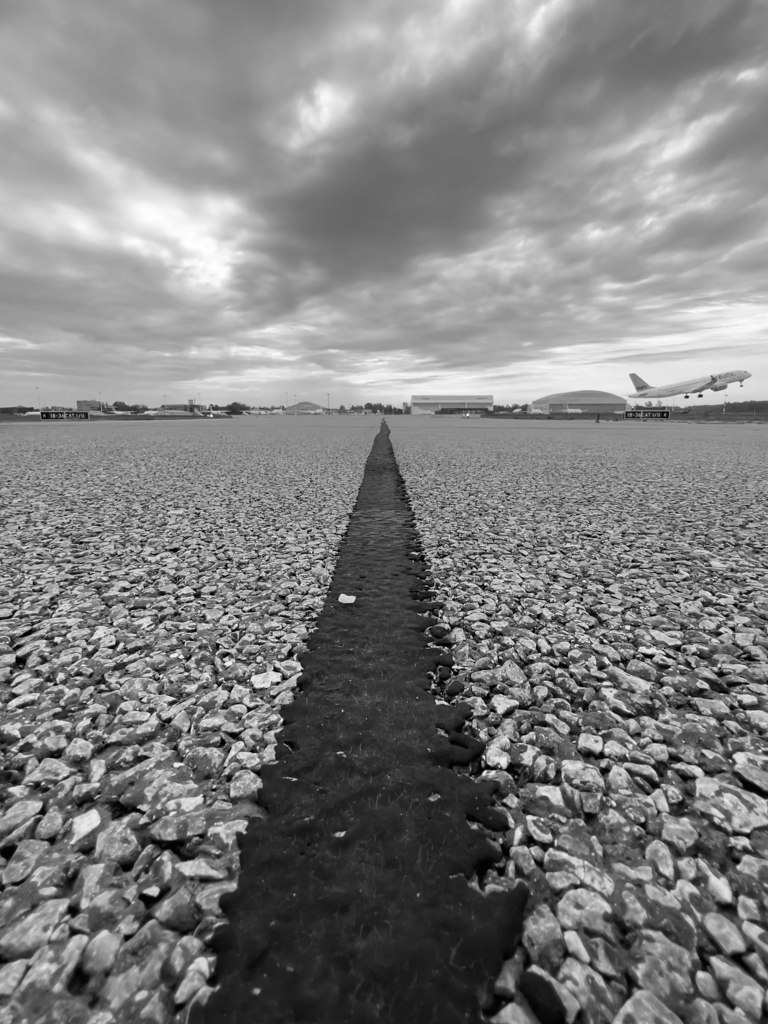
While curating photographs for the current issue of Parcham themed “Roads”, I came across some of the still photographs captured by the Latvian Filmmaker Laila Pakalnina. These days, I have found myself watching her works like “Waterfall,” “Hello, Horse!,” “Spoon,” “On Rubik’s Road,” “Silence”(she was kind to allow me access) and I’m moved to find a distinct restraint in in her works that focuses on watching rather than directing, in seeing rather than telling. I was amused to find that “On Rubik’s Road” particularly resonates with our issue’s current theme. Her observational style in documenting everyday lives is strongly rooted to the Latvian documentary tradition and politics. While I can’t resist exploring her filmmaking further, my primary focus as curator of this photography section is to understand her still images—the issue features some unusually striking images that portrays roads from her everyday life. As she kindly agreed to contribute to the photography section, I was glad to have a conversation with her.
Ipsita : Hello Laila! I’m glad to have this conservation with you on behalf of Parcham. (I feel tempted to ask this question, as I’m interviewing a filmmaker here) Our theme is “Roads”, that implicitly suggests motions, yet, photography freezes moments in time. Do you find different truths emerge through these different mediums?
Laila: Hello! No – roads, like rivers, are always in motion. It is excellent place for an observer – you can stay still and life will come in your frame.
Ipsita : These photographs feel spontaneous rather than planned. Do you carry a camera during everyday activities? I was looking at the photos (esp. the one with the dog) – and the perspective is from a walker’s point-of-view rather than that of a distant observer. It looks as if taken with a phone camera, maybe? Is it deliberate? What everyday camera captures that professional setup might miss?
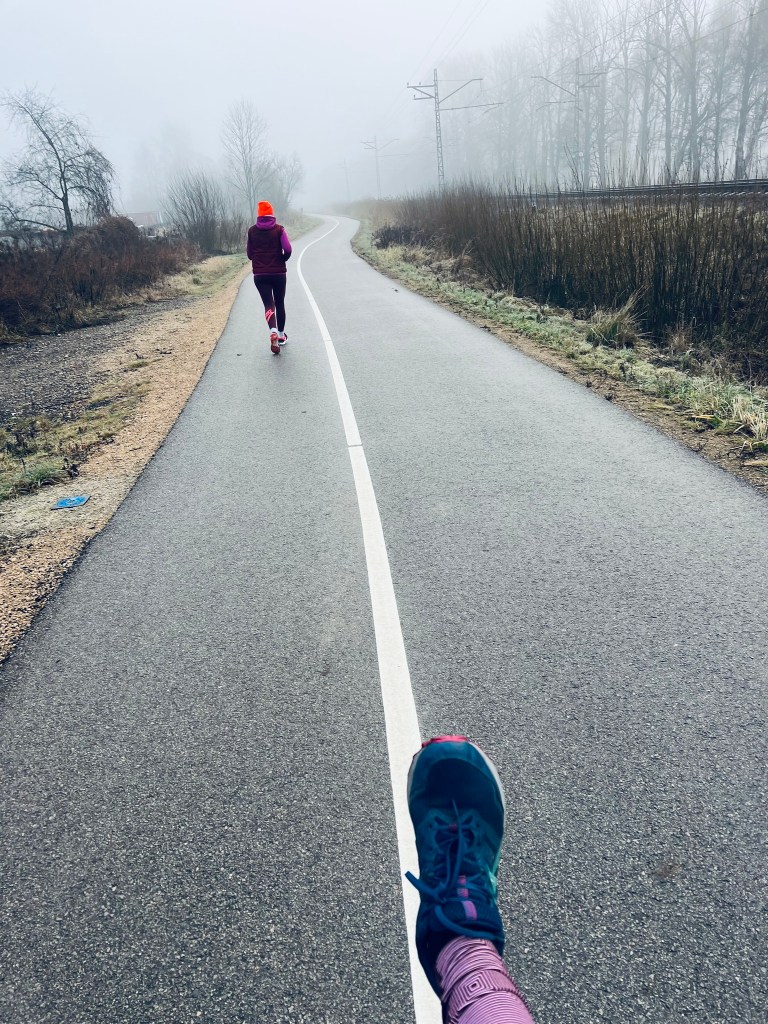
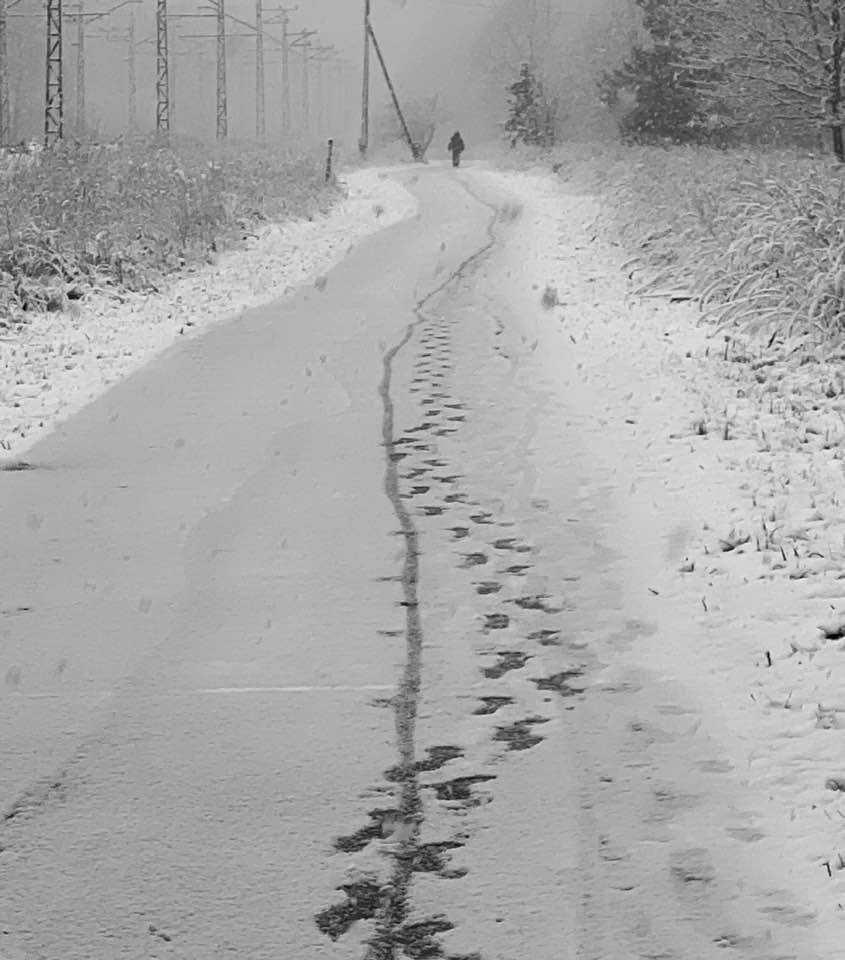
Laila: Very important to mention that I’m filmmaker, not photographer. I’m making films, not taking photographs. As almost every human I have phone in my pocket. So, I like to watch and when I see a moment (of light, movement etc.) – I just try to catch it before it disappears. And it somehow happens that I’m posting those images on Facebook. In this way they are also becoming my communication tools with other people. As in fact I’m not writing on Facebook, just posting images.

Ipsita : Your film avoids direct political commentary yet exists in a charged political context. How do you view the relationship between political history and observational documentary?
Laila: I think history and politics influence every observational documentary; every image created by us in general. As our tools as artists are intuition and soul. And they of course are influenced by our reality.
Ipsita : Latvia has a distinctive documentary school that developed during and after the Soviet period. Do you consider yourself working within or against this tradition?
Laila: I’m just an artist. I avoid analyzing context of my works. Sometimes I feel myself alone (or us alone – as I’m making films with my friends). But that’s fine.

Ipsita : “On Rubik’s Road” features no commentary or music – your signature minimalism. What politics formulates this aesthetic choice ? Why this fascination with the ordinary than the spectacular?
Laila: I want to create space (atmosphere) in my films, which audience is welcome to enter and feel themselves free. Music and commentaries (voice over) are tools of speculation, they intend to force spectator, to lead him in one right way. But there is not right and wrong, I prefer freedom of creator and freedom of spectator.
Ipsita : What challenges did you face while filming such an ordinary, everyday location over an extended period? How did passers-by react to being filmed, and did their awareness of the camera affect the authenticity you were seeking?
Laila: In general (with some exceptions, of course) people become used to camera. As we are not moving a lot. We used tripod and became an element of location by ourselves.
Ipsita : As someone across a different geography, I’m curious to know about the Baltic climate and its influence in your visual aesthetics. How do the seasonal changes in Latvia influence your perception and documentation of everyday paths?
Laila: As we are staying still, we need lots of warm clothes. It’s not a joke. Especially in winter. To make films like we are making you need patience. And in cold weather this patience shortens. So we need to do what we can to keep working (observing). Clothes help.
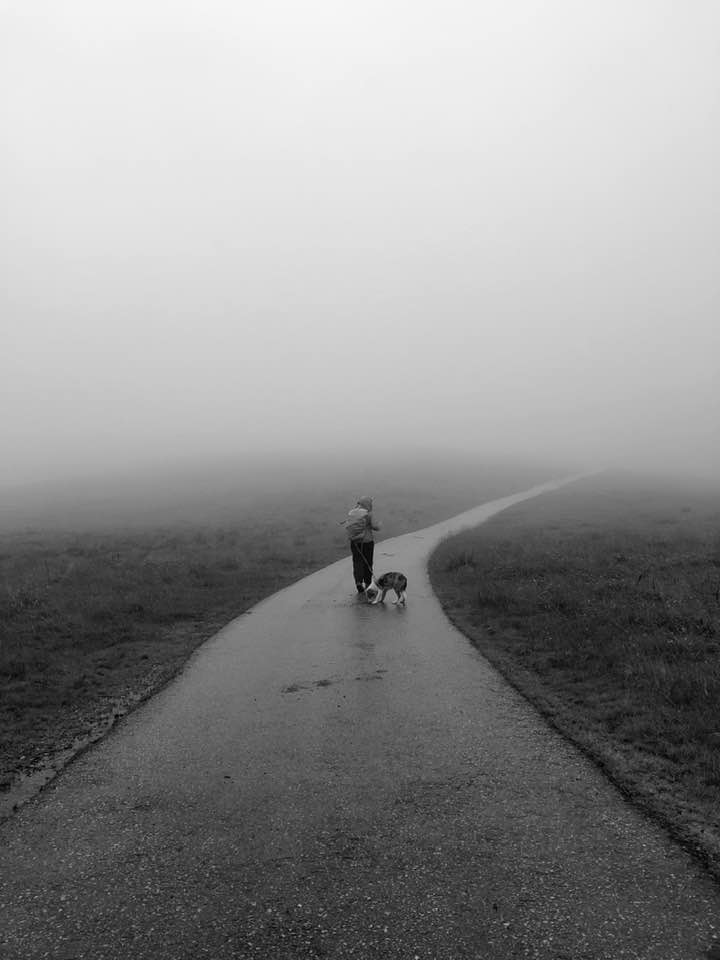

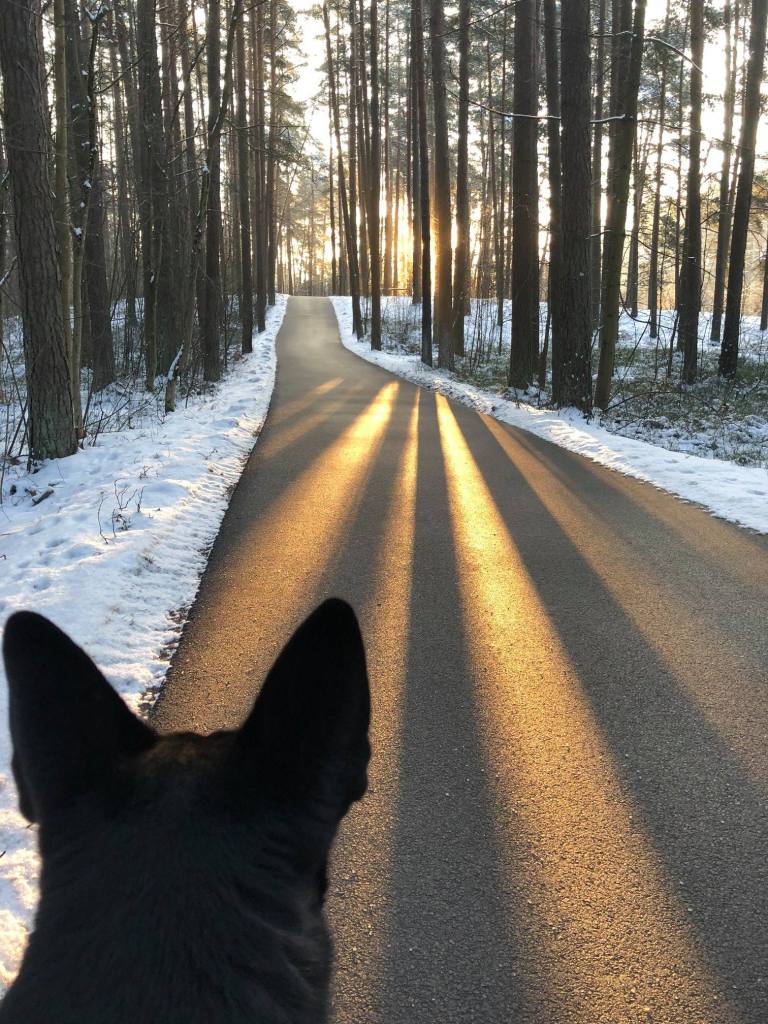
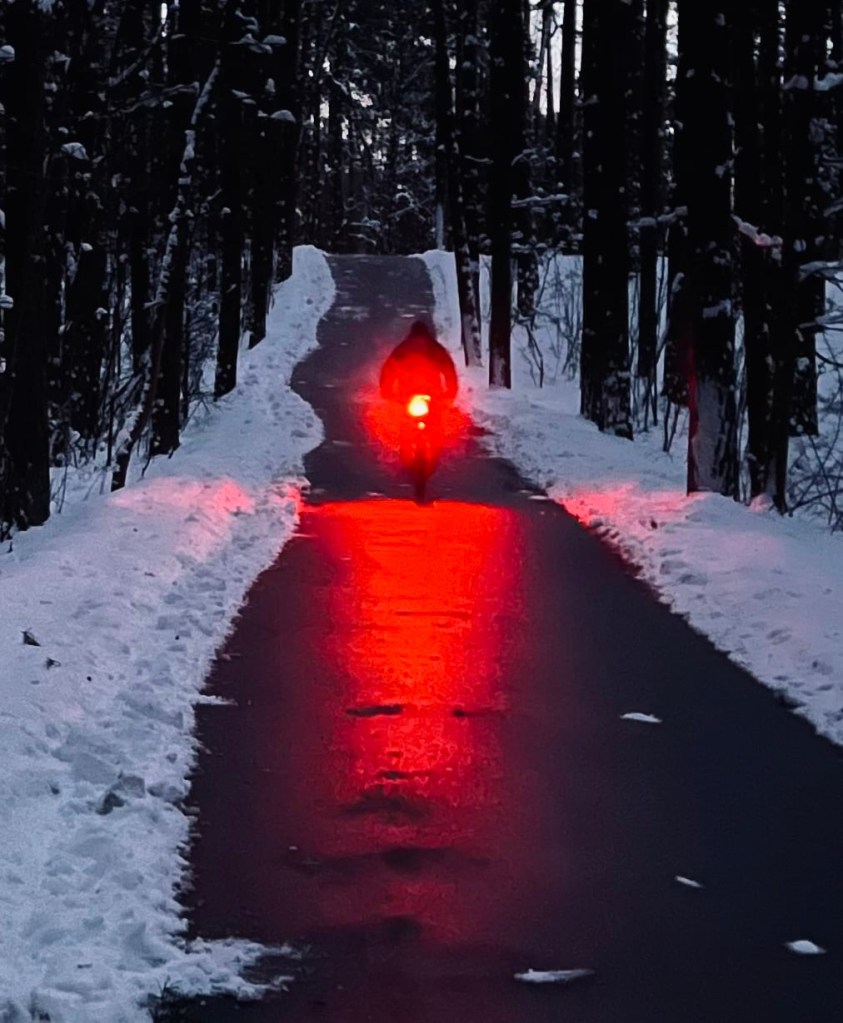
Ipsita : Lastly, for our “Roads” issue – what do you think, makes Latvian roads and pathways distinctive subjects for photography compared to roads elsewhere? I mean both as its physical aspects and also its political bearings. In this regard, I recall coming across a statement of yours published elsewhere that will stay with me – “If the entire world can be reflected in a single drop of dew (and it can!), then why couldn’t it fit onto a single bicycle road in Latvia?” If you allow me, I’d love to use an excerpt for the title of this conversation.
Laila: Yes, you are welcome. I really think that you don’t need to run around for to film the world. If you concentrate on one drop of dew you can see the world. And I like to film in Latvia as I can find those drops here. I just feel where they are as this is my land. But of course they are everywhere for everyone.

Laila Pakalnina graduated from the Moscow Film Institute (VGIK), Department of Film Direction, in 1991. A director and scriptwriter of 32 documentaries, 5 shorts, and 6 fiction features, altogether she has 43 films, 2 children, 1 husband, 1 dog and 2 bicycles. And many ideas for new films. Her films have screened in official programmes at Cannes, Venice, Berlinale, Locarno, Karlovy Vary, Rome, Tallinn and other international festivals, where they have won numerous awards.
 Parcham Online
Leave a comment