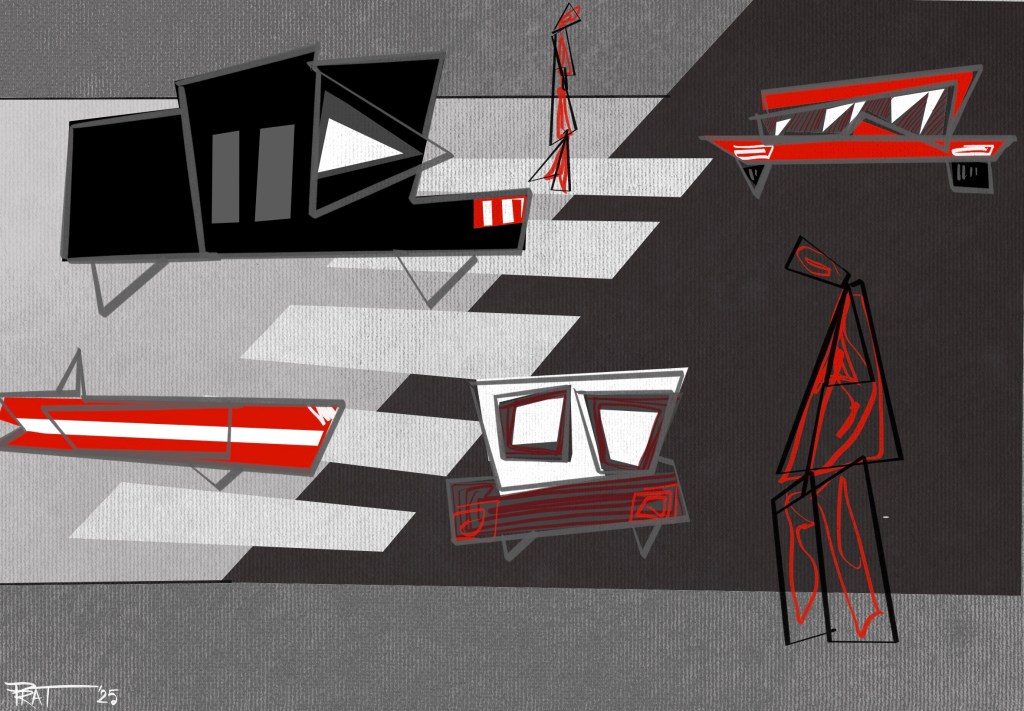
“Roads are Long Inside Me.” In Conversation with Kenani Aydin
Ipsita Deb
Ipsita : Salam, Agha Aydin! Parcham is glad to have you featured here. Would you please share a few words about yourself, your place, or the social lives there and the landscapes and climate and how that have influenced your work?
Aydin : I was born in Tabriz in 1974. Actually, it would be more accurate to say that I was born on Earth because I don’t really care about borders.
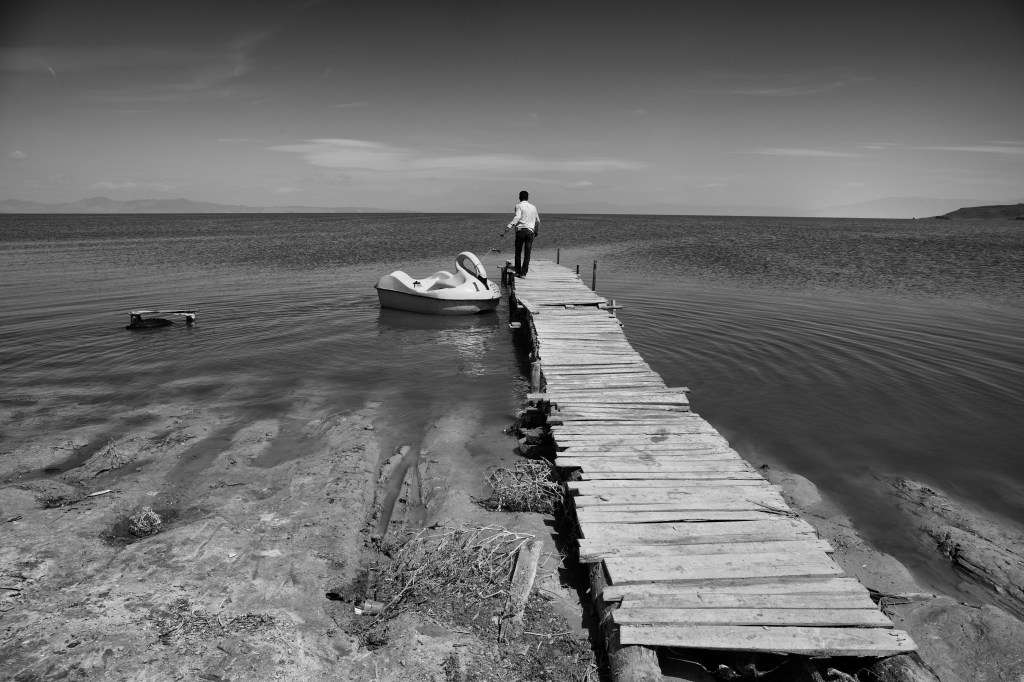
Aydin : Are your readers interested in photography?
[ As I was initiating a conversation with Iranian photographer Kenani Aydin, I was very amazed with this unexpected question and I wanted him to ask more if he had any, since we believe, our readers would enjoy a more intimate casual conversation between two strangers than a very formal interview]
Ipsita : Very much! In fact, I have chosen to be in this particular webzine because here we can bridge the gap between the professional and the amateur photographers and viewers. Sometimes, all the viewers are not very experienced and trained and informed in the technicalities and grammars of photography. But, I believe, there’s more to photography than mere skills. Your photographs, as I was looking at them, are open windows to a world that’s geographically distant to mine and ours — and what could be better way to make a bridge across geographies than the visual snippets. Also, since the theme is “Roads”— that is another metaphor for journey — it carries the dust of our previous steps, the marks of our struggles, sometimes indentations of our past choices — would you walk us through the roads you’ve traveled?
Aydin : When we step on the roads, we are first surprised, then we get used to it as if we were born there and we are surprised again. Wherever I go, I see myself there. The same disaster, the same joy and the same loneliness. Roads are not just changes in geography, sometimes they are long inside me and I step on new roads. My loved ones, my successes, my losses and my shames. I don’t notice whether the roads are short or long. I assume that the roads find me. Wherever I go, I am there, I encounter myself in new types of trees, new streets, new houses and new people. I always see myself in the same loneliness. I discovered that all roads end with death, so I don’t care about the end of the road, but about life along the road and I know that the roads are my best and most profitable existence. Life is a long and narrow road, but I am aware that it will be very short.
Ipsita : You said 1974?? – those were interesting times in Tabriz, witnessing many transitions. Your city has many cultural footprints. The contrast between the old caravanserai routes and modern highways must be fascinating to document, no?
Aydin: Absolutely! Tabriz is a city where history and modernity coexist in a unique way. The old caravanserais, like the famous Amir Nezam House or the Qajar-era structures, stand as silent witnesses to the bustling trade and cultural exchanges of the past. These routes were once filled with merchants, travelers, and caravans carrying goods along the Silk Road. Today, modern highways and infrastructure have replaced many of these paths, but the essence of movement and connection remains.
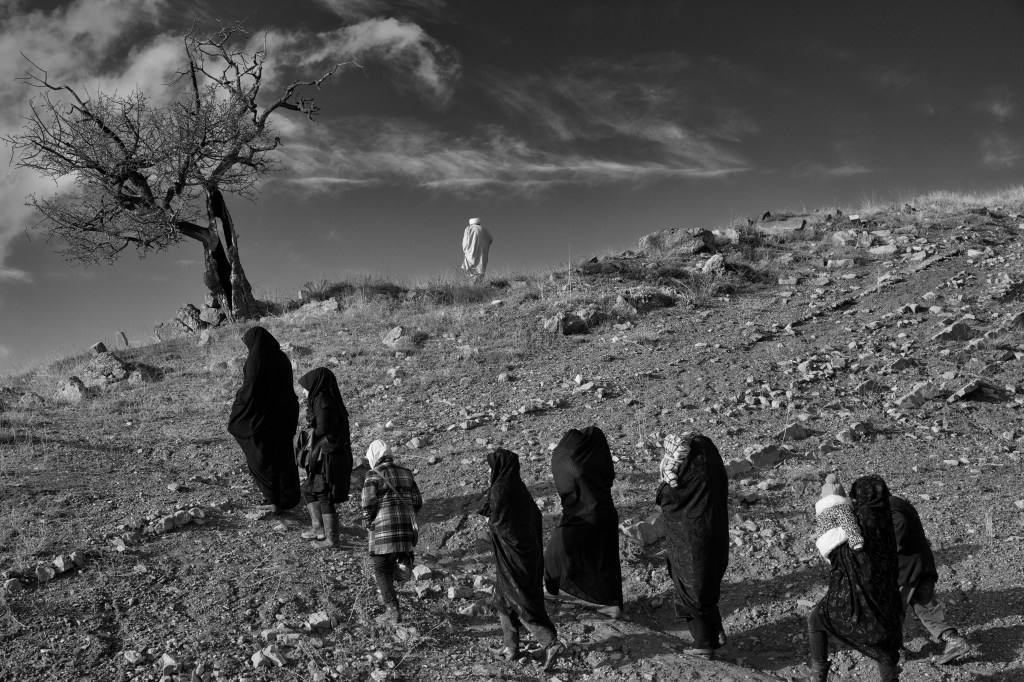
Ipsita : Since our theme is “Roads”, I feel tempted to ask this. The Silk Road’s history is deeply connected with Tabriz’s identity. When you photograph the historic trade routes and their modern equivalents, what continuities do you observe in how people use these spaces?
Aydin: Time flies by quickly. And erases the past. But some events and experiences have left deep traces. Tabriz has become a trade center. Before and after the Silk Road. And Tabriz is still the world’s largest covered bazaar. And it is lively and a shopping center. Fortunately, the old roads are gone. The new world has invented new technologies and new roads. The road is no longer a street. The meaning of the road has gained different dimensions. That’s why Tabriz, which was the most important city on the Silk Road, now stands out for other reasons. Just like Istanbul, it is considered the gate of Western and Eastern culture.
Ipsita : Your reflection about roads ending in death but focusing on life along the way reminds me of the Sufi poetry tradition. [I am struck by the Sufi dervish in spiritual ecstasy in one of your photographs we’d featuring in our next issue.] Does the rich literary heritage influence how you frame your shots?
Aydin: My answer to your question will disappoint you. Of course, Tabriz was once the focal point of Sufism. It raised NESIMI and SHAMS TABRIZI and very great people. But my worldview sees all kinds of religions and beliefs such as Sufism as unimportant and empty. Since they could not find the question of the reason for existence, they took refuge in absurd beliefs.
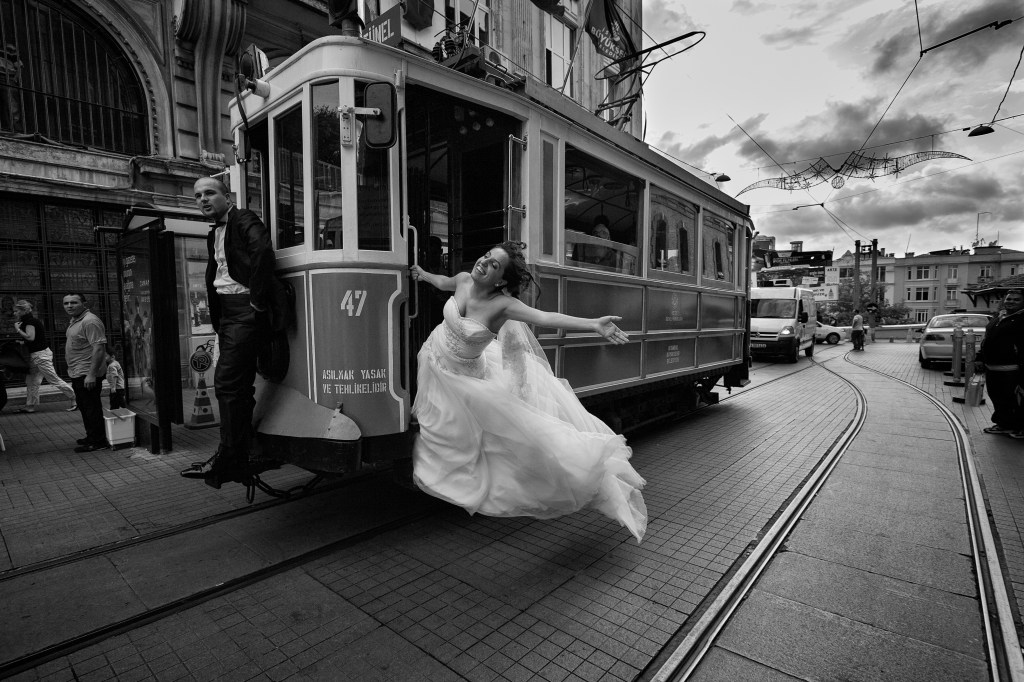

Ipsita : Lastly, your saying that the roads being “long inside me” touched a very universal chord somewhere. As someone working in a city that has been a crossroads of cultures for millennia, how does this multicultural heritage manifest in your street photography?
Aydin: It is difficult to answer this question clearly and absolutely. Cultures are changing rapidly. Recently, globalization has been gaining momentum through the internet and media. Cultures are collapsing. I think cultures no longer continue. People are moving towards losing their identities.New identities are emerging. Only the outer surface of cultures may continue. Unfortunately, it no longer matters. People are becoming similar to each other. There is no such thing as self and essence.
Ipsita: What thoughtful answers! Çox təşəkkür edirəm! Parcham is glad to have you featured.

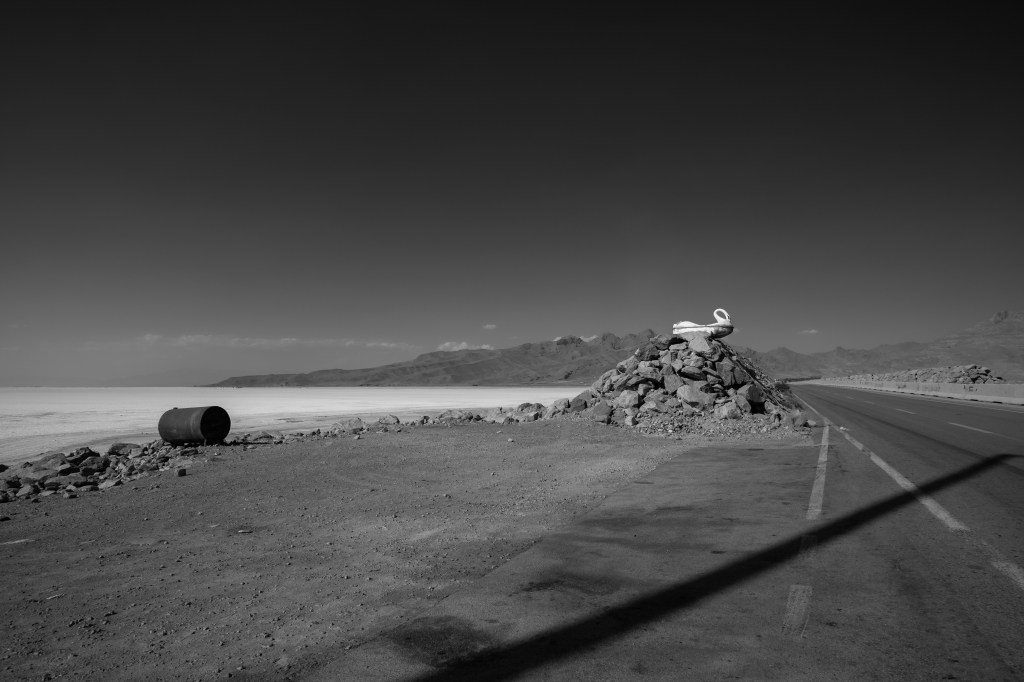
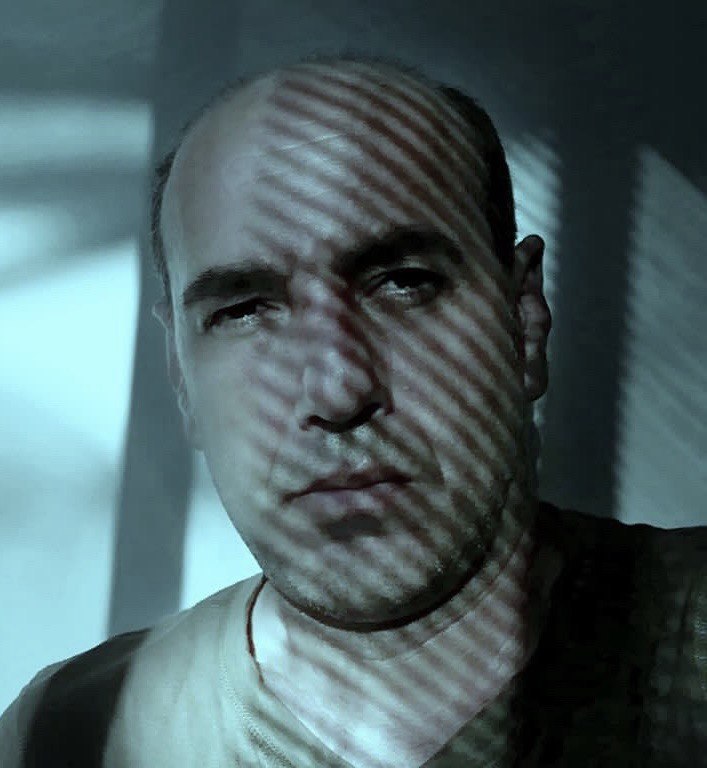
Kenani Aydin was born in Tabriz in 1974. He is an Azerbaijani Iranian photographer. His interests are street photography and social lives. He can be reached at kenaniaydin1@gmail.com
 Parcham Online
Leave a comment